Hichilema secures second term as Zambia’s president amid electoral scrutiny
President Hakainde Hichilema defeats Brian Mundubile by over one million votes, beginning a second five-year mandate focused on translating macroeconomic stabilisation into tangible household relief.
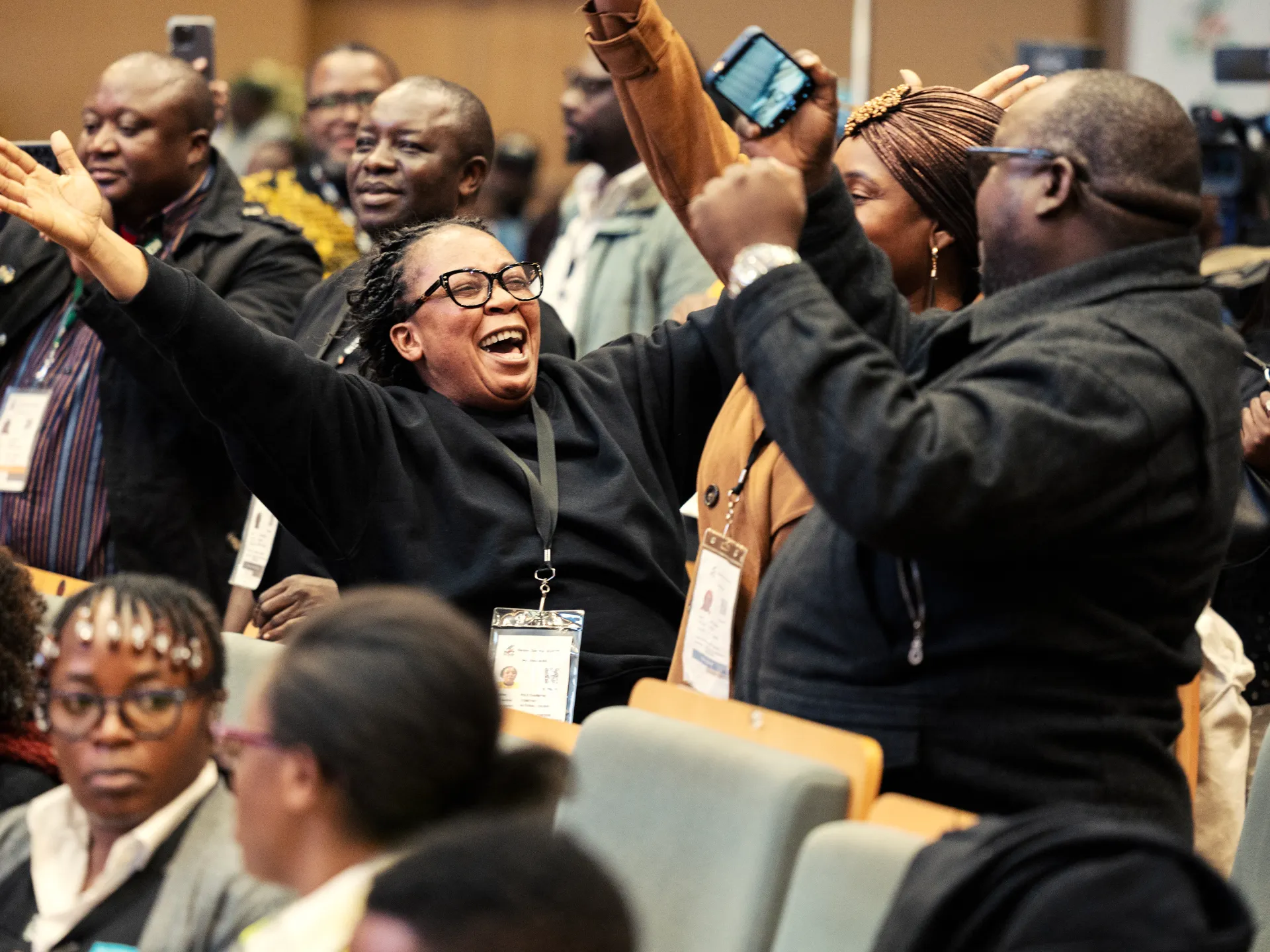
Hakainde Hichilema has been re-elected as President of Zambia, securing a second five-year term after defeating opposition challenger Brian Mundubile by a margin of more than one million votes. The Electoral Commission of Zambia (ECZ) declared Hichilema the winner on Tuesday, confirming he received 2,965,326 votes compared to Mundubile’s 1,856,217. The result extends the tenure of the leader who first took office in 2021, marking a continuation of his United Party for National Development (UPND) government.
The announcement of results was briefly interrupted when the ECZ suspended the process due to security concerns, including attacks on election officials and the theft of marked ballot papers, before the count resumed. While Hichilema’s supporters rejected claims of irregularities, stating the outcome reflected public confidence in the government’s direction, Mundubile’s alliance raised specific concerns regarding the conduct of the voting process and the counting of results, calling for greater scrutiny.
The European Union Election Observation Mission noted that while candidates were able to campaign through rallies and public meetings, there were significant issues regarding campaign-related violence, political intimidation, and the media environment. During the campaign, Mundubile alleged that opposition parties faced an uneven political environment, citing restrictions and concerns over the treatment of political competitors.
Hichilema’s second term faces immediate pressure to translate economic stabilisation and debt restructuring progress into tangible benefits for citizens amid high living costs. His first term was largely focused on restoring macroeconomic fundamentals, including debt restructuring, increased foreign reserves, and stabilisation of the kwacha. Professor Lubinda Haabazoka of the University of Zambia highlighted this progress, noting that the administration has made substantial strides in restoring economic stability and investor interest in the mining sector.
However, critics and voters emphasised that these gains have not yet translated into relief for households facing high living costs. Independent MP Vincent Mwale called for national unity, noting that voting patterns suggested a societal divide that the government must address. As Zambia seeks to increase copper production for the global energy transition, the government must now demonstrate that political stability and resource wealth can deliver broader economic opportunities beyond the mining industry.