Hezbollah resumes combat against Israel in southern Lebanon despite ceasefire overtures
Following the assassination of Ayatollah Ali Khamenei, the militant organisation has reorganised its ranks and announced a return to active hostilities, defying a temporary cessation of hostilities extended by the US President.
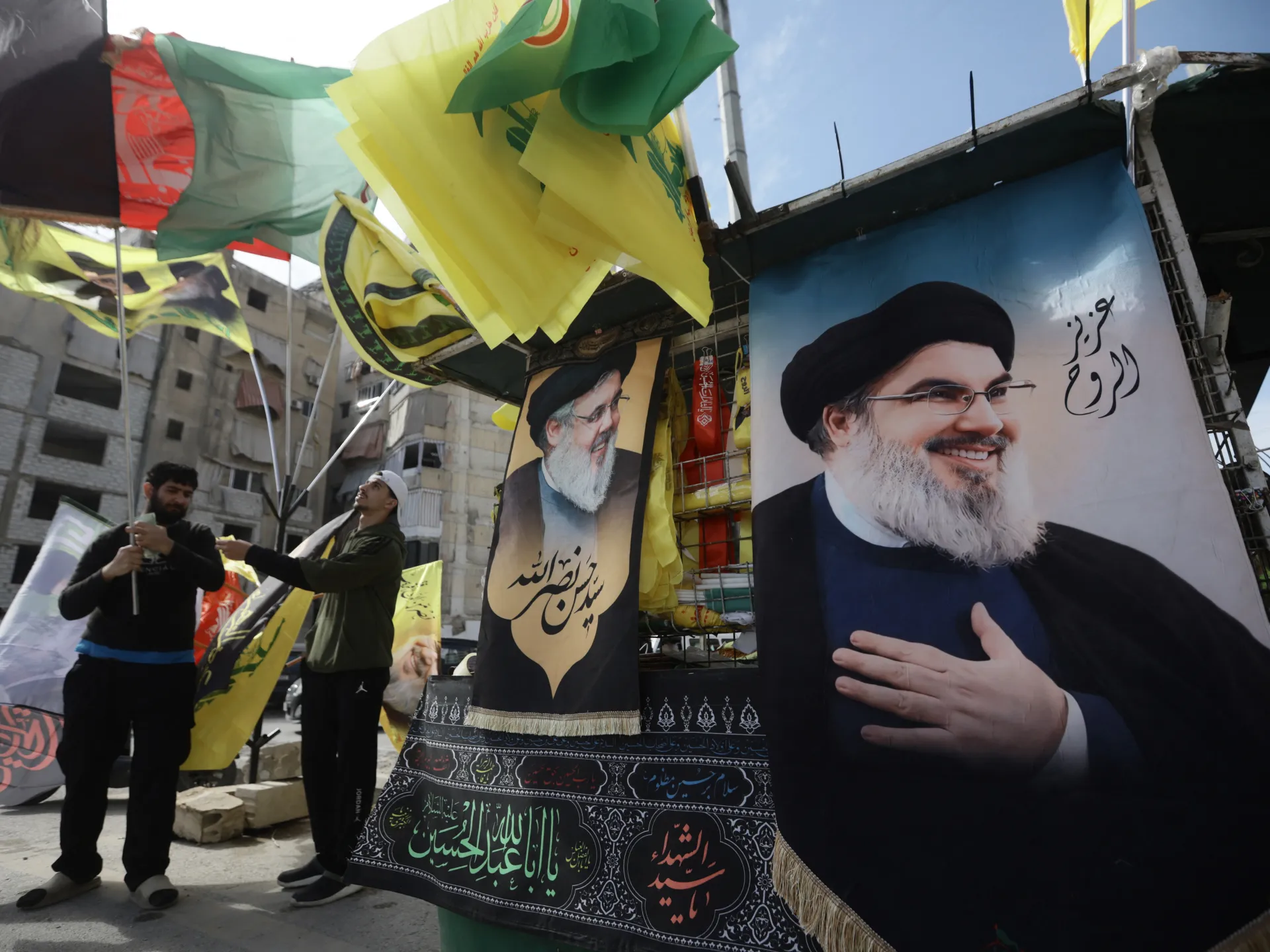
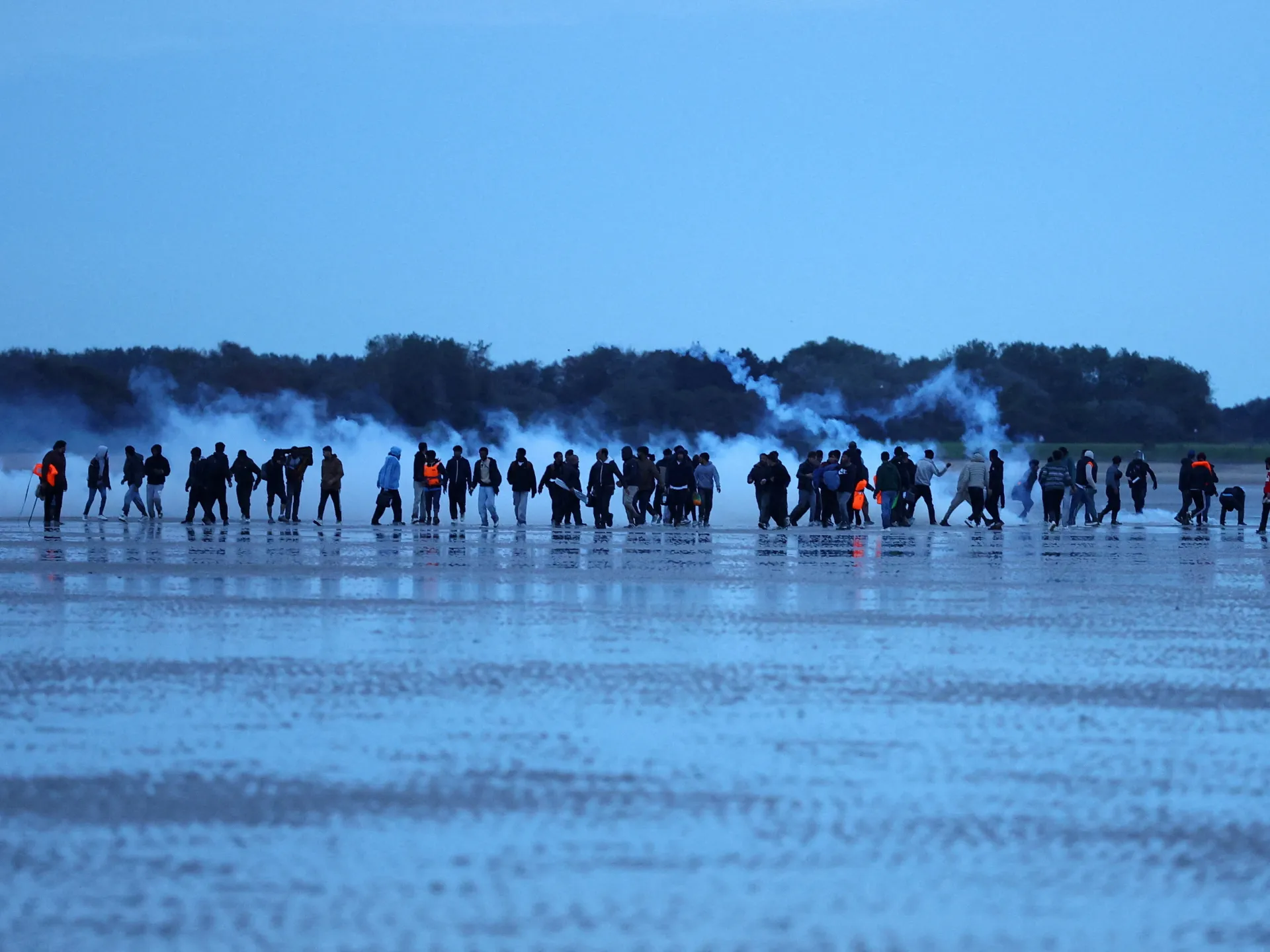
Hezbollah has reinstated active combat operations against Israel in southern Lebanon, explicitly rejecting a proposed one-sided ceasefire that would permit Israeli attacks while leaving the group inactive. This decision marks a significant shift from the period of reduced activity following the November 2024 ceasefire, during which the group was widely perceived as a degraded force. The organisation has now announced a return to suicide operations on Israeli targets within Lebanese territory, a tactic not employed in recent years.
The resurgence of fighting occurs despite a temporary cessation of hostilities declared by US President Donald Trump on 16 April, which was subsequently extended to three weeks. Ground-level conflict persists in the south, contradicting the notion that the group was a spent force following the intensification of Israel's war on Lebanon in late 2024. A Hezbollah military leader confirmed to Al Jazeera that the group is reorganising and retains considerable capabilities, including sufficient weaponry and fighters to sustain prolonged engagement.
Direct negotiations between Lebanon and Israel, brokered by the US in Washington DC in early April, have been categorically rejected by Hezbollah leader Naim Qassem. The group opposes any agreement reached without its participation, stating that the approach taken by authorities will not benefit Lebanon. While the Lebanese state has attempted to secure a lasting peace agreement similar to the 1949 armistice, Hezbollah has refused to abide by the results of these talks, maintaining that the demands of the Israeli-American enemy cannot be granted.
Analysts suggest that Hezbollah's future trajectory remains inextricably linked to the outcome of stalled negotiations between the US and Iran, particularly concerning the Strait of Hormuz and the broader war on Iran. The group's fortunes appear tied to these diplomatic efforts, with the organisation becoming more popular and stronger as it meets challenges in southern Lebanon. However, its political standing remains complex, drawing the vast majority of its support from Lebanon's Shia Muslim community while remaining largely unpopular among other groups.
Regional diplomatic efforts are underway involving Saudi Arabia, with Prince Yazid bin Farhan meeting Lebanese Parliament Speaker Nabih Berri to discuss halting Israeli aggression. These meetings aim to find a consensus in Lebanon, yet the Lebanese government's ban on military activity following the assassination of Iranian Supreme Leader Ayatollah Ali Khamenei has not halted the intense fighting. Hezbollah's continued reliance on Iranian financial support and its intrinsic link to Tehran's survival interests suggest that the group is unlikely to capitulate militarily or in negotiations.
The organisation's ability to survive and maintain its role depends heavily on the resolution of the various negotiations currently underway. While the fall of the Assad regime in Syria represented a major loss for the group by cracking down on smuggling routes, the shift in the balance of power has not been enough to diminish its domestic support. Ultimately, the political and military future of Hezbollah remains uncertain, contingent upon the outcome of the ongoing diplomatic tracks involving Washington, Tehran, and regional actors.