Harvard study links major album releases to 15 percent spike in US traffic fatalities
New research suggests that the surge in music streaming following high-profile album drops contributes to a measurable increase in fatal car accidents, driven by driver distraction.
A study conducted by researchers at Harvard Medical School has identified a significant correlation between major music album releases and a 15 percent increase in traffic fatalities in the United States. The analysis examined 233,809 fatal collisions recorded between 2017 and 2022, cross-referencing federal crash data from the Fatality Analysis Reporting System with daily streaming charts from Spotify. The findings indicate that the immediate aftermath of high-volume music releases is associated with a measurable rise in road deaths.
The researchers focused on ten specific album release dates that generated the highest number of streams within a single day. Across these dates, the study recorded approximately 182 additional fatalities compared to the baseline period. This equates to 18.2 excess deaths for each day when music streaming activity surged. The study notes that nationwide streaming activity for major releases from artists such as Taylor Swift and Drake typically sees a 43 percent surge on the first day, a period when drivers may be more inclined to interact with their devices.
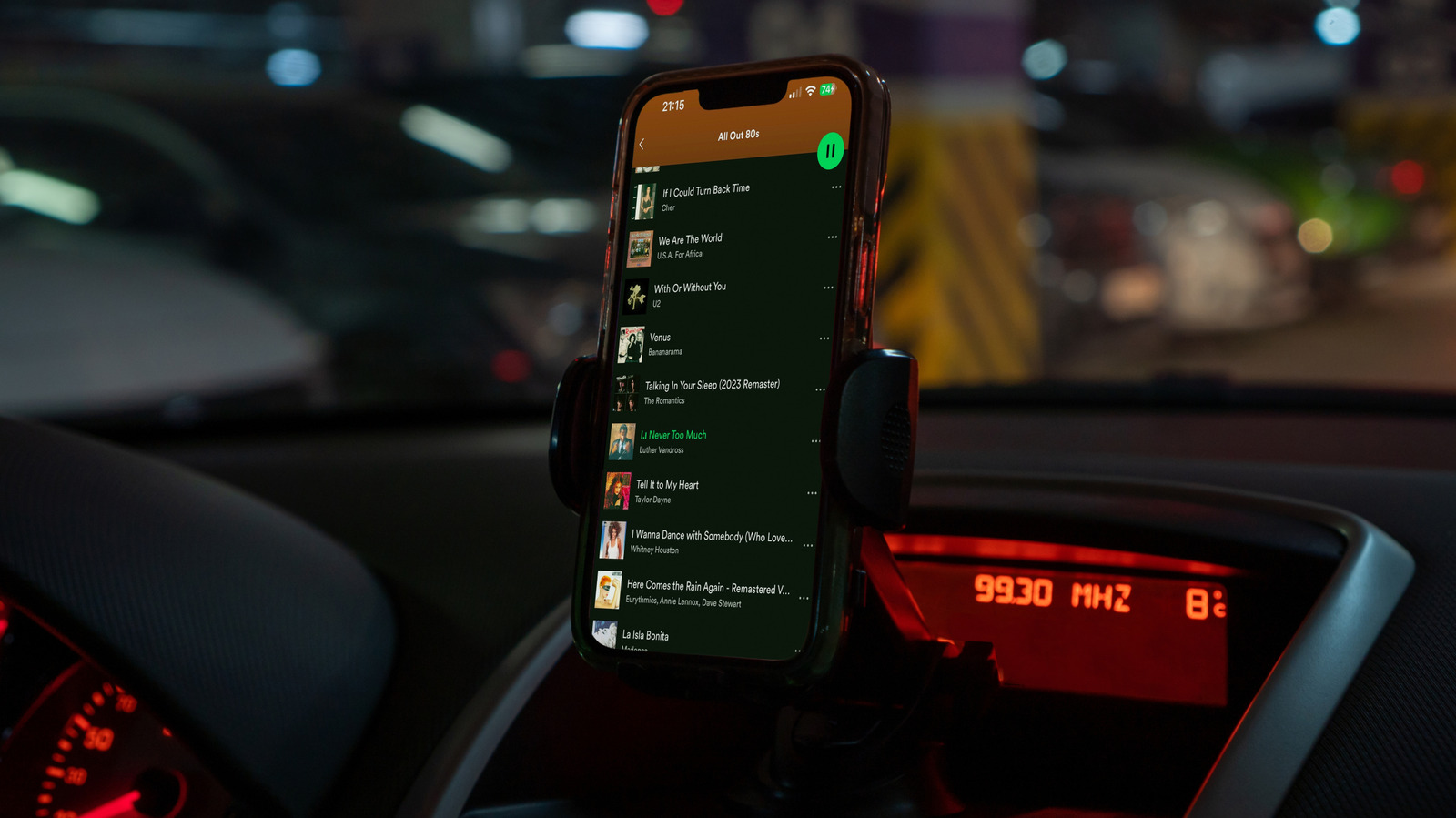
The primary mechanism identified for this increase is driver distraction. The study highlights the impulse to browse music streaming services on smartphones or in-car infotainment screens to find new, unfamiliar tracks. Unlike standard driving conditions where accidents peak at night or in inclement weather, the fatalities linked to this streaming surge were more likely to occur in clear weather. The researchers theorise that drivers may let their guard down in calmer environments, increasing their reliance on digital interfaces.
Demographic analysis reveals that the uptick in fatalities was concentrated among sober, young, male, and single-occupant drivers. Sober drivers accounted for an adjusted surge of 13.9 excess fatalities, whereas no such increase was observed in collisions involving alcohol consumption. Male drivers saw an additional 13.5 deaths on release days. Single-occupant drivers were also disproportionately affected, likely due to the absence of passengers who could assist with vehicle controls or maintain the driver's attention.
The study suggests that modern in-car infotainment systems may amplify this risk by lowering the barrier for interaction and creating a false sense of security. As screens become larger, drivers are more likely to glance away from the road to check track details or upcoming songs. A recent JD Power survey supports this concern, finding that 46 percent of driver-related distractions in new cars originate from the infotainment system or built-in touchscreen.
While the researchers acknowledge that the study identifies a correlation rather than direct causation for individual incidents, the findings have prompted a broader industry response. Public backlash against screen-heavy interiors has led manufacturers such as Volkswagen and Hyundai to reconsider touchscreen-only interfaces. Luxury brands including Porsche and Mercedes-Benz have reintroduced physical buttons for essential controls, aiming to mitigate the safety risks associated with digital distraction.