Hantavirus-stricken cruise ship MV Hondius arrives in Canary Islands for passenger evacuation
Spanish authorities plan to quarantine the group in a cordoned-off area before transferring them to buses and flights, despite local concerns over social ostracisation and health risks
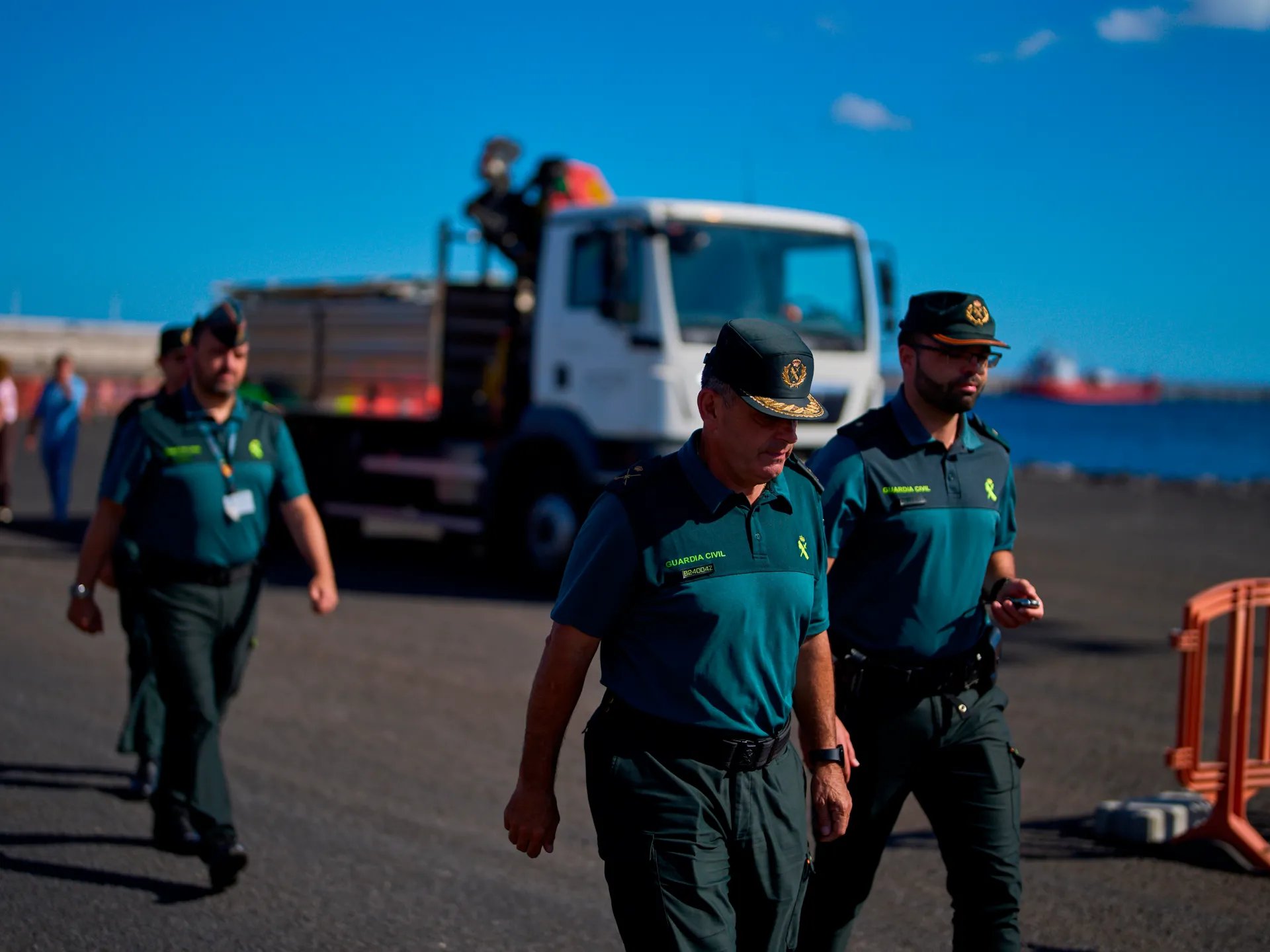
The Dutch-flagged cruise ship MV Hondius has arrived in Tenerife within Spain's Canary Islands, bringing with it 140 passengers and crew affected by a hantavirus outbreak. Upon arrival early Sunday, Spanish authorities have outlined a strict protocol to manage the situation, planning to isolate the group in a cordoned-off area before evacuating them via small boats to buses and subsequent repatriation flights. The head of Spain's emergency services, Virginia Barcones, confirmed that the individuals would be taken to a completely isolated location to prevent any potential spread before their departure from the island.
In response to the developing crisis, the World Health Organization has deployed its chief, Tedros Adhanom Ghebreyesus, to the island to coordinate the response. The international body has assessed the risk to the wider public as low, noting that the virus is not highly contagious and does not easily transmit between people. WHO spokesman Christian Lindmeier emphasised that this situation is not comparable to the pandemic caused by COVID-19, though he acknowledged that the specific Andes virus detected in this outbreak may be able to spread between people in rare cases.
The operational details of the evacuation involve a multi-stage process to ensure biosecurity. Once the vessel reaches Tenerife, passengers will be moved in small boats to buses only after their repatriation flights are ready. Officials have stated that these individuals will then be transported in isolated and guarded vehicles, with specific sections of the airport cordoned off during transit to maintain containment protocols.
The outbreak, first detected on 2 May, has resulted in three deaths and confirmed infections among passengers who disembarked earlier. Health authorities across four continents have been tracking more than two dozen passengers who left the ship before the full extent of the outbreak was known. While the World Health Organization previously confirmed six cases on the vessel, cruise operator Oceanwide Expeditions stated on Friday that there were no people with symptoms of a possible infection currently on board the MV Hondius, despite at least eight people having fallen ill during the voyage.
Despite WHO assurances regarding the low risk of transmission, local sentiment remains divided. Some Spanish residents and the anti-establishment group Iustitia Europa have expressed concern over potential health risks and the possibility of social ostracisation. Iustitia Europa, which rose to prominence by challenging previous COVID-era restrictions, called for the vessel to be barred from reaching Spanish shores, arguing that the Canary Islands should not become Europe's health laboratory and demanding transparency and protection for locals.
Several Spanish passengers have voiced fears of being ostracised upon arrival, describing the situation as heading into the eye of a hurricane. One passenger noted that while the news coverage is alarming, the reality involves more than 140 human beings who require assistance. Another individual expressed fear regarding how the public would receive them, highlighting the tension between the necessity of the evacuation and the social stigma associated with the infectious disease.