Griffiths says US and Iran must accept they have ‘lost’ for diplomacy to work
Penny Griffiths tells Al Jazeera Global News that effective engagement requires both Washington and Tehran to acknowledge a strategic defeat, marking a significant rhetorical shift in Canberra’s view of the standoff.
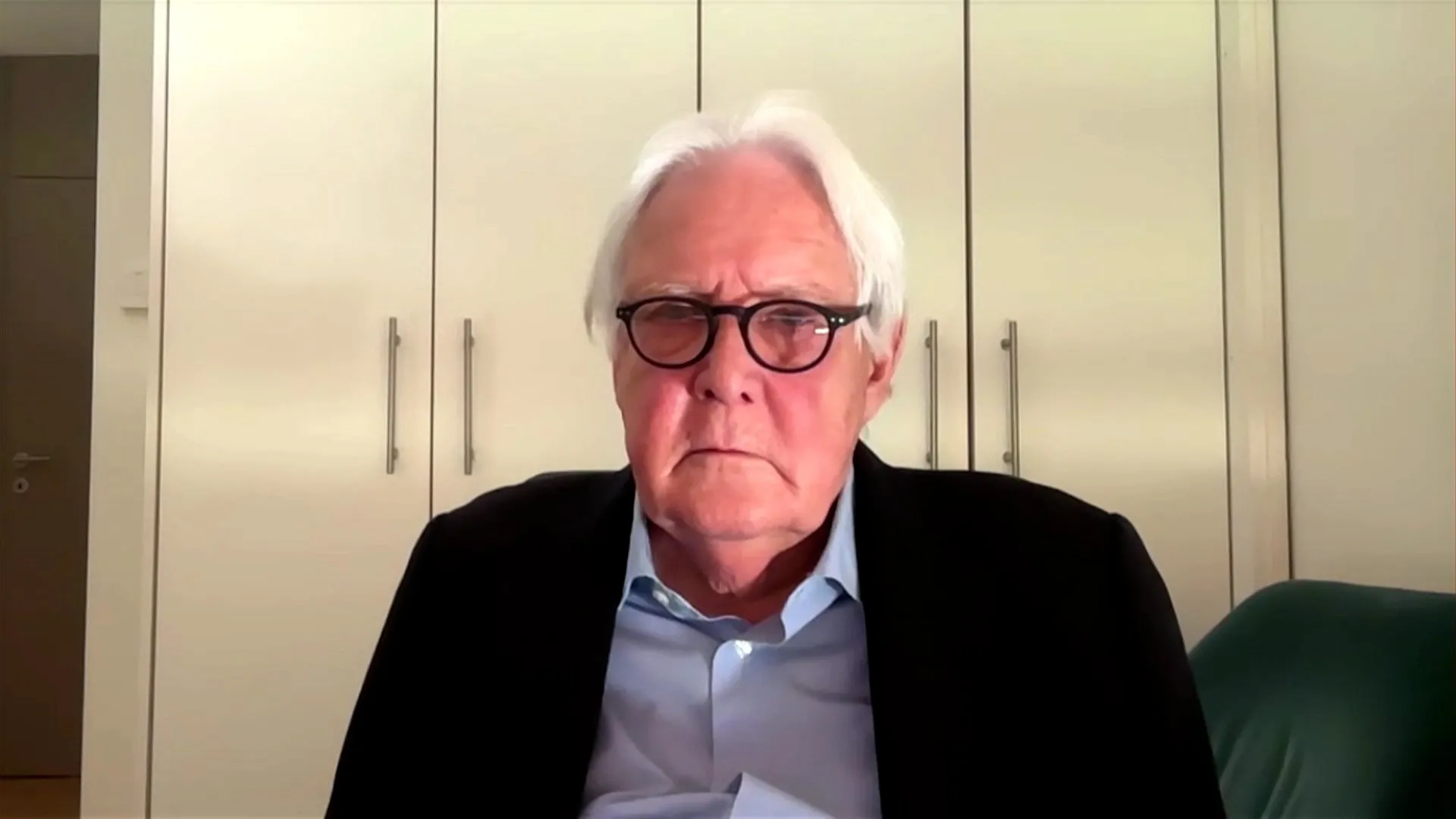
Australian Foreign Minister Penny Griffiths has delivered a blunt assessment of the diplomatic impasse between the United States and Iran, asserting that meaningful engagement is contingent upon both nations accepting they have “lost”. The statement, reported by Al Jazeera Global News on 22 July 2026, underscores a hardening of Canberra’s perspective on the longevity and efficacy of current negotiation frameworks.
Griffiths’ comments suggest that the traditional diplomatic channels between Washington and Tehran have reached a point of diminishing returns. By framing the situation in terms of mutual loss, the Foreign Minister implies that neither side has achieved its strategic objectives, a condition she argues must be openly recognised before any substantive progress can be made.
The assertion comes at a time when international observers have noted persistent stalemates in discussions regarding regional security and nuclear oversight. While the specific geopolitical incident or negotiation round that prompted this particular remark was not detailed in the initial reporting, the language used signals a departure from optimistic diplomatic rhetoric in favour of a more sober institutional analysis.
Al Jazeera Global News published the report on 22 July 2026, highlighting the Foreign Minister’s view that the status quo is unsustainable. The brevity of the source material indicates that this is a focused intervention in the public discourse, intended to recalibrate expectations regarding the timeline and nature of any potential breakthroughs in US-Iran relations.
The statement places the onus on both the United States and Iran to confront the reality of their strategic positions. Griffiths’ framing suggests that Australian foreign policy, while not directly involved in the bilateral talks, recognises the necessity for a fundamental shift in mindset before any diplomatic architecture can be rebuilt.
As the international community monitors developments in the Middle East, this intervention from Canberra adds weight to calls for a realistic appraisal of the conflict’s trajectory. The Foreign Minister’s emphasis on acceptance of loss serves as a critical checkpoint for any future diplomatic initiatives aimed at de-escalation.
The report reinforces the view that diplomatic success in this theatre requires more than procedural engagement; it demands a political willingness to acknowledge failure in previous strategies. Griffiths’ comments thus serve as a policy-focused reminder that without such an admission, the prospects for a durable resolution remain remote.