Google’s Pet Memory AI fails to distinguish individual pets in Nest camera review
A review by The Verge indicates that Google’s Pet Memory feature for Gemini for Home cannot reliably differentiate between individual animals, leading to incorrect activity summaries and automated feeding errors.
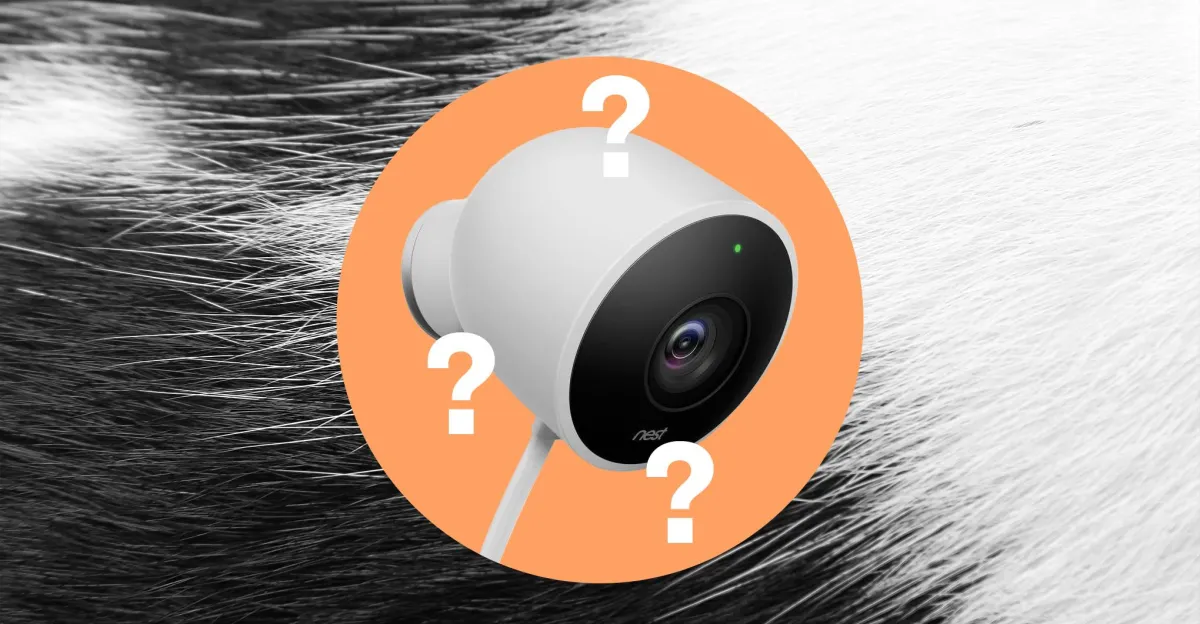
Google’s Pet Memory feature, part of the Gemini for Home suite, has been found unreliable in distinguishing between individual pets. A review by The Verge indicates that Nest cameras consistently misidentified three different cats as a single named animal, rendering pet-specific automations such as targeted feeding triggers ineffective. The feature, which requires a Google Home Advanced Plan subscription, lacks a training process or correction mechanism, leading to inaccurate activity summaries.
The reviewer tested the feature with three cats, identified as Boone, Osa, and Smokey, using indoor Nest cameras. Despite entering distinct names and breed details for each animal, the system consistently labelled all detected cats as Smokey, the first cat registered in the account. The platform does not offer a training process, photo upload capability, or a method to correct identification errors, relying instead on users to simply enter a name and breed.
This failure had immediate practical consequences for smart home automation. The reviewer attempted to use the feature to trigger an Aqara Pet Feeder to dispense specific amounts of food for individual cats. However, because the system could not distinguish between the animals, the feeder activated whenever any cat approached the bowl. Without the ability to limit the frequency of automations within the Google Home app, the food bowl overflowed by the end of a single day.
Inaccuracies also extended to the Home Brief daily summary, which provided incorrect location data. The system reported a cat eating in the garage, a location where neither animal was present, when footage confirmed the cat was actually in the laundry room. Google has not responded to inquiries regarding why the system is not functioning as intended, leaving the cause of the identification failures unclear.
While competitors such as Amazon’s Ring, Wyze, and Apple Home have introduced AI-powered descriptions, Google Home is the first platform to attempt personalising AI camera detection by recognising specific pets by name. However, the review concludes that continuous video recording remains a more reliable alternative for monitoring pets, as AI summaries are currently deemed unreliable for critical tasks.