Google’s AI search dominance tested as traffic shifts and capital concerns mount
A structural shift in how users consume information is underway, with Google evolving from a web gateway into a primary destination, raising questions for publishers and investors alike.
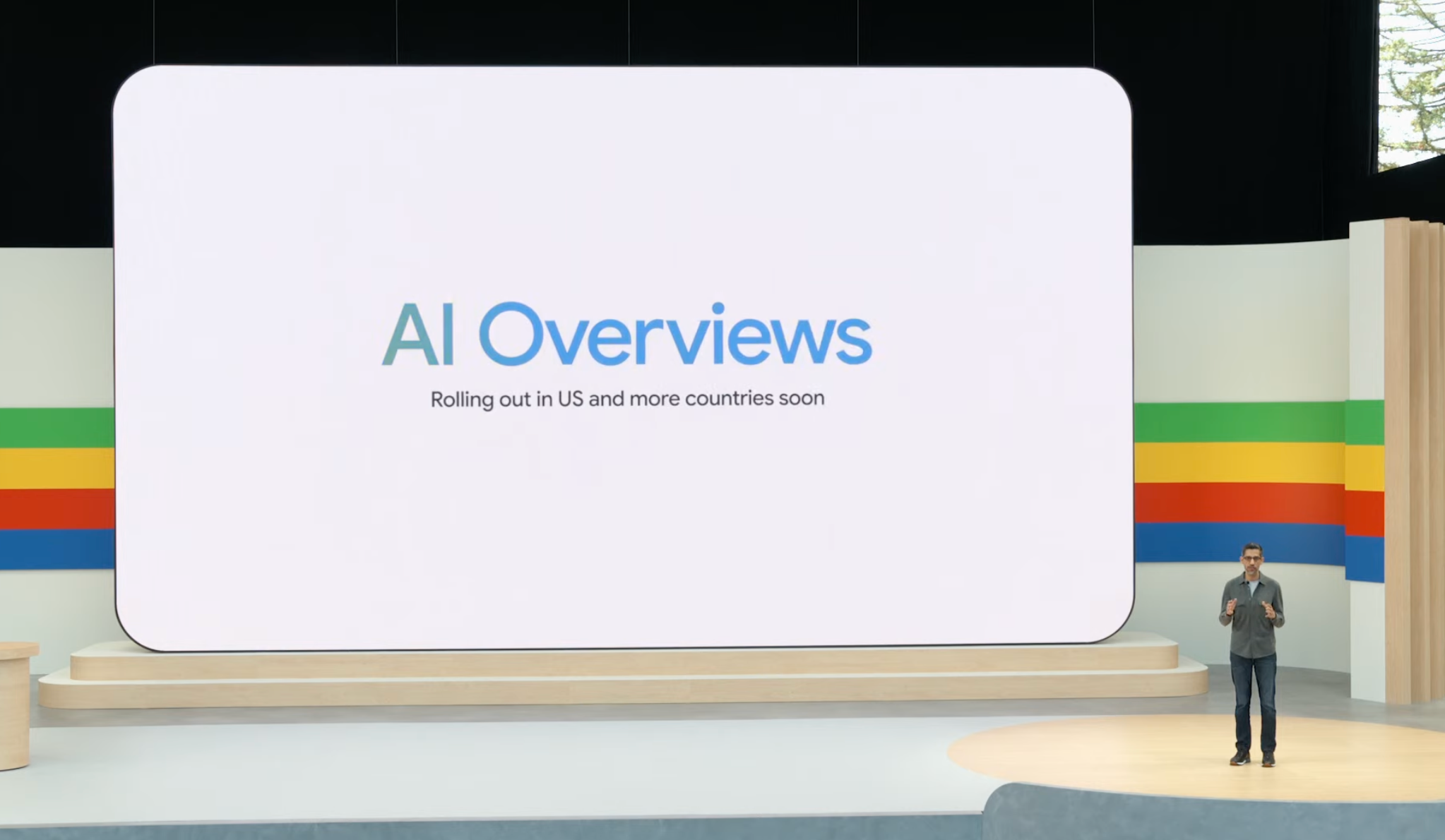
Data from market intelligence firm Similarweb indicates a rapid consolidation of user attention on Google’s artificial intelligence features, with AI Overviews now appearing in 43% of searches, up from 15% a year ago. Visits to Google’s AI Mode surged from 126 million in June 2025 to 279 million by May 2026, underscoring a fundamental change in user behaviour. The platform is increasingly functioning as a destination in its own right, with users spending more time on the site and utilising longer, conversational queries rather than simple keyword searches.
This transition has created significant headwinds for content publishers, who report substantial losses in referral traffic as AI-generated answers often satisfy user intent without requiring clicks through to source websites. Although the proportion of AI responses including a citation has increased more than fivefold over the past year, the direct link to publisher revenue remains tenuous. In response to these challenges, tech infrastructure company Cloudflare has introduced tools allowing publishers to block AI crawlers unless companies pay for access via its marketplace.
There are signs of fluctuation in traffic patterns, particularly regarding Microsoft’s ChatGPT. Following a search update on May 7, 2026, U.S. desktop referrals to webpages improved markedly, rising from 25% in March 2026 to nearly 60% by May 30, 2026. This suggests that users are engaging more with traditional blue links when they are prominently displayed. However, citation rates remain low overall, with only 6.8% of U.S. ChatGPT desktop queries including citations as of May 2026, although travel, retail, and sports queries generate cited responses more frequently.
The operational shift at Google coincides with heightened scrutiny of Big Tech’s financial models. Recent earnings reports are testing the sustainability of massive artificial intelligence investments, with market participants focused on capital expenditure figures. Alphabet’s latest guidance has spooked investors, exacerbating concerns regarding the preservation of free cash flow amidst the broader AI spending boom.
As Google continues to integrate AI deeper into the search journey, the tension between platform control and publisher viability remains unresolved. While the immediate data points to a successful adoption of AI features by users, the long-term sustainability of this model is under pressure from both investor demands for liquidity and the ongoing dispute over content access and compensation.