Google raises prices with Tensor G6-powered Pixel 11 launch
The Pixel 11 series replaces the Pixel 10 lineup, introducing the Tensor G6 chip, doubled base storage, and enhanced Gemini Intelligence capabilities, with prices now starting at $899.
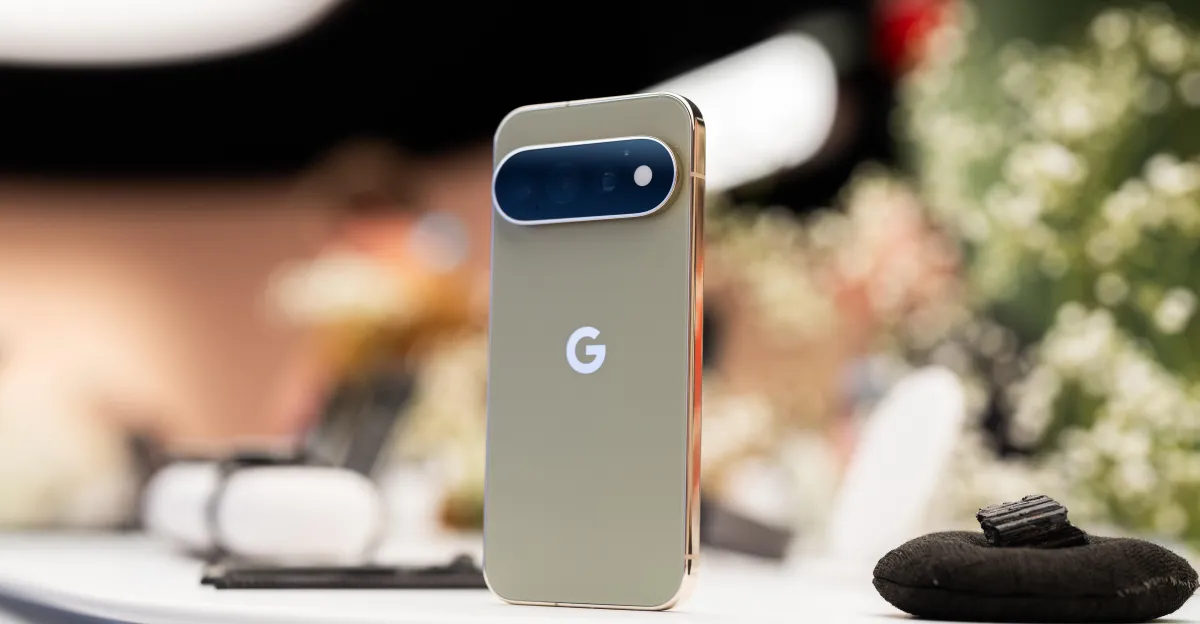
Google has officially launched the Pixel 11 series, introducing four new devices to its smartphone portfolio: the Pixel 11, Pixel 11 Pro, Pixel 11 Pro XL, and the Pixel 11 Pro Fold. The release marks a significant shift in pricing strategy for the tech giant, with all models seeing a $100 increase compared to their predecessors. The standard Pixel 11 now starts at $899, while the Pixel 11 Pro begins at $1,099, and the larger Pixel 11 Pro XL is priced at $1,299.
Central to the new hardware is the Tensor G6 chip, which Google claims delivers up to 25 per cent faster performance than the previous generation. The company also states the silicon is 20 per cent more power efficient and offers 50 per cent more TPU compute specifically for artificial intelligence tasks. This processing power underpins a suite of enhanced AI features, including improved Gemini Intelligence that can now pull context from supported apps to proactively surface information.
Storage and memory configurations have also been updated to align with market competitors. Base storage has doubled to 256GB with 12GB of RAM for the standard and Pro models. The Pixel 11 Pro offers higher-tier configurations, with options for up to 1TB of storage and 16GB of RAM. These changes follow the recent milestone of the Gemini app surpassing one billion monthly active users, placing it on par with OpenAI’s ChatGPT.
Camera hardware has received substantial upgrades across the lineup. The Pixel 11 features a slimmer camera bar and can now zoom up to 30x for photos. The Pro series introduces a new 50-megapixel main sensor and a redesigned telephoto lens that captures 32 per cent more light, supporting digital zoom up to 120x. Additionally, the Pro models feature a 42-megapixel selfie camera and can record stabilized video at up to 8K using Pro Stable Video.
Software enhancements complement the hardware changes, with new tools such as Magic Capture, which automatically prepares photos and videos for sharing. The Pro series also introduces HiLight, coloured LEDs around the camera flash that alert users to calls or AI activations. Other features include Live Translate for videos and voice messages, and Circle to Search, which allows users to identify objects or translate text directly through the camera lens without snapping a photo first.