Alex Gibney’s Musk documentary maps the rise of a political power broker
The nearly four-hour documentary traces Elon Musk’s accumulation of influence through Tesla, X, SpaceX and Starlink, but its exhaustive case may be aimed at viewers who remain unconvinced.
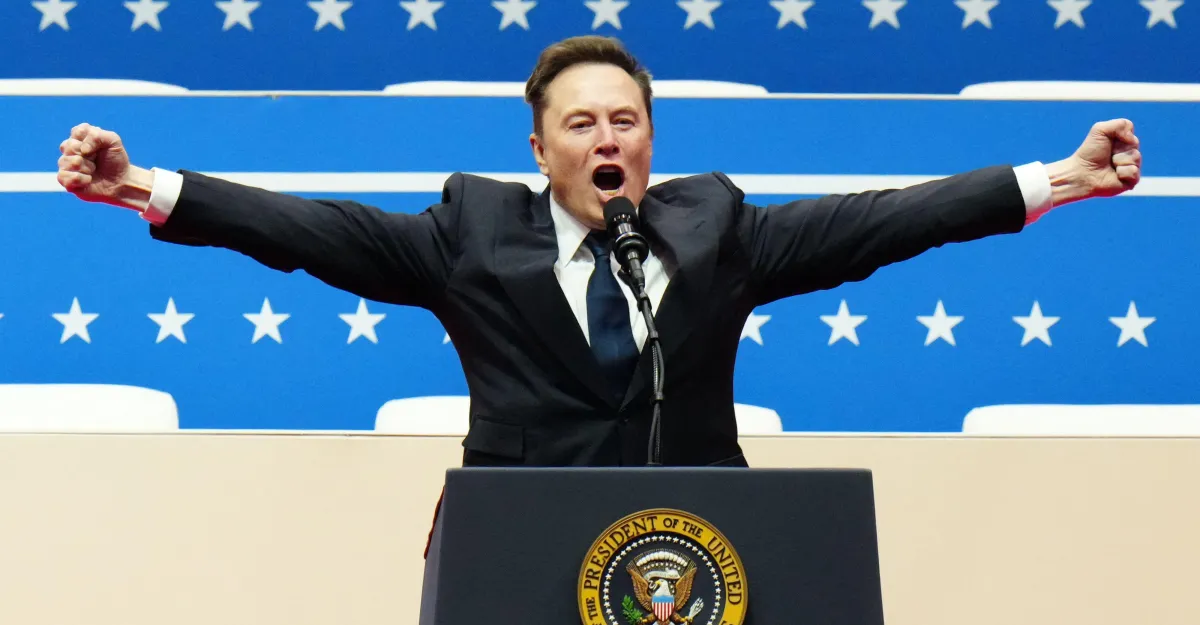
Alex Gibney’s documentary Musk charts Elon Musk’s rise from dot-com millionaire to technology executive and political figure, examining how he accumulated influence through Tesla, X, SpaceX and Starlink.
Reviewed by The Verge after its Toronto International Film Festival screening, the film is described as a comprehensive, largely chronological account of Musk’s ascent. Gibney, whose previous documentaries include films about Theranos and Steve Jobs, frames the story around two questions: how Musk became so powerful and why his influence was not stopped earlier.
The documentary covers Musk’s departure from PayPal, his relationship with Tesla and his claims about autonomous vehicles. According to the review, it places those claims alongside footage of a deadly crash involving a Tesla on autopilot, while also examining Musk’s growing ties to governments, particularly the United States.
Musk did not participate in the film, The Verge reported, and sent Gibney a legal threat. The documentary instead uses a digital avatar built from existing recordings of Musk, with the avatar mouthing words from clips in a database assembled by the production team.
Running just shy of four hours, including a 10-minute intermission, the film uses simulation and video-game imagery to illustrate its account. The review says Musk makes its argument clearly, but offers few new revelations for audiences already familiar with the subject.
That may leave the documentary facing a problem of reach. Viewers who already regard Musk critically may find little that is new, while those most likely to benefit from the film’s consolidated account may be less willing to spend four hours in a cinema. Musk is scheduled to open in cinemas on 16 October.