Google raises prices with Tensor G6-powered Pixel 11 launch
The tech giant has increased costs across its hardware lineup by $100, while introducing the Pixel 11 Pro Fold and expanding its AI capabilities with proactive assistance and real-time translation features.
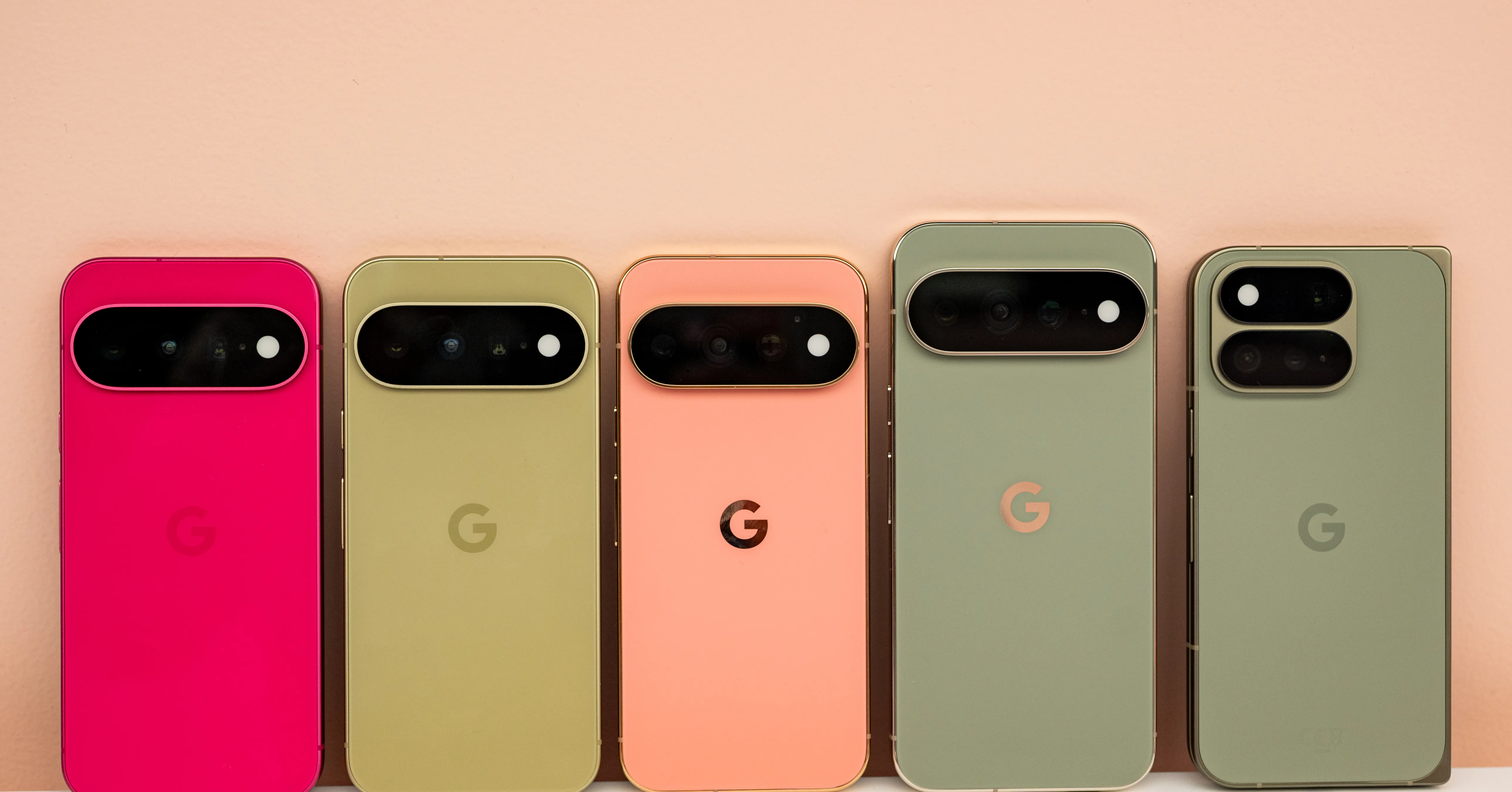
Google has officially unveiled its 2026 hardware ecosystem at the Made by Google event in New York City, introducing the Pixel 11 smartphone family, the Pixel Watch 5, and the new Pixel Tag item tracker. The launch marks a significant shift in pricing strategy, with costs increasing by $100 across the board for the new devices. Preorders for the Pixel 11 series and Pixel Watch 5 opened immediately, with general availability set for 20 August 2026. The Pixel Tag tracker is scheduled for release on 11 November 2026.
The Pixel 11 lineup, comprising the Pixel 11, Pixel 11 Pro, Pixel 11 Pro XL, and Pixel 11 Pro Fold, is powered by the new Tensor G6 chipset. Google states the chip is 20 per cent more power efficient and 25 per cent faster for browsing. The base storage has been increased to 256 GB on every device, matching competitors such as Samsung and Apple. The standard Pixel 11 now starts at $899, while the Pixel 11 Pro and Pixel 11 Pro XL are priced at $1,100 and $1,300 respectively. The Pixel 11 Pro Fold, which Google claims is three times more durable than its predecessor, starts at $1,899.
Significant camera upgrades accompany the new hardware. The Pixel 11 Pro and Pro XL feature a new 50-megapixel main sensor and a 48-megapixel telephoto lens with 30 per cent better light sensitivity. These models support a Pro Zoom feature using generative AI to allow digital zoom up to 120X. The Pixel 11 Pro Fold and standard Pixel 11 share a 48-megapixel primary camera with a larger sensor for improved low-light performance. All devices feature an all-glass camera bar, with the Pixel 11’s bar being more than 40 per cent thinner than previous iterations.
Software enhancements focus heavily on artificial intelligence, leveraging the Tensor G6 chip to introduce proactive assistance and real-time translation. Gemini will now offer quick access to relevant information from conversations, such as displaying Google Maps listings for restaurant suggestions. The devices also support real-time translation of media watched on YouTube and select podcast apps, as well as American Sign Language translation via the camera. The Pixel Watch 5 introduces health tracking for blood pressure and insulin resistance trends, though these features are not yet FDA-approved.
The Pixel Tag, priced at $29, enters the item-tracking market using ultra-wideband technology and the Android Find Hub network. It is IP67 resistant and powered by a replaceable CR2032 battery. The launch coincides with Google’s Gemini app surpassing one billion monthly active users, placing it on par with OpenAI’s ChatGPT. The company continues to integrate AI deeply into its hardware, aiming to streamline user interactions through features like HiLight glowing LEDs on Pro models and automated task handling.