Google raises prices as it unveils Pixel 11 series and Tensor G6-powered ecosystem
The tech giant’s latest devices feature the Tensor G6 chip, enhanced durability, and advanced health metrics, but consumers face higher entry points for the base smartphone and wearable.
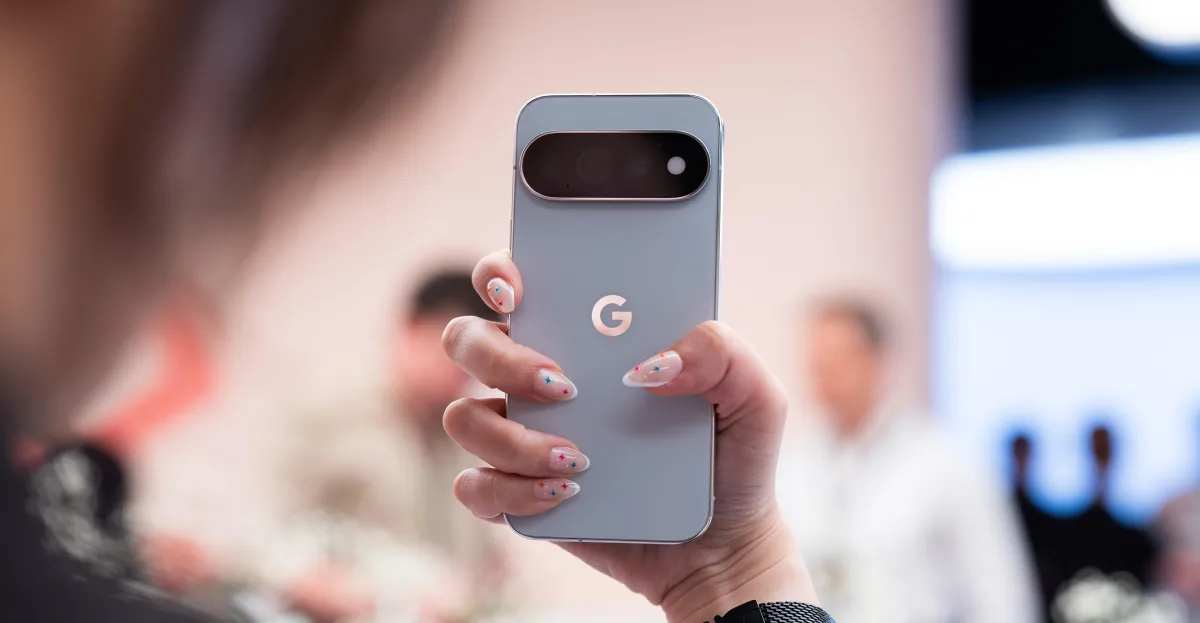
Google has officially launched its latest hardware ecosystem at the Made by Google 2026 event, introducing the Pixel 11 smartphone series, the Pixel Watch 5, and the Pixel Tag item tracker. The new devices are powered by the Tensor G6 chip and feature significant upgrades in camera technology, display brightness, and health monitoring capabilities. Notably, the Pixel 11 Pro Fold claims to be three times more durable than its predecessor, while the Pixel Watch 5 introduces advanced metrics such as blood pressure and insulin resistance trend tracking.
Prices across the lineup have increased, with the entry-level Pixel 11 starting at $899 and the Pixel Watch 5 at $399. The base Pixel 11, launching on 20 August, retains the 256GB storage and 12GB RAM configuration of its predecessor but adds a 40 per cent thinner camera bump and new colour options including lilac-like frost, hibiscus pink, and pistachio green. The device supports over 30 hours of battery life and features a 48MP wide lens with 56 per cent more light sensitivity.
The Pixel 11 Pro and Pro XL models start at $1,099 and $1,299 respectively, featuring displays that max out at 3,600 nits and a new HiLight LED indicator in the camera bar. The Pro model includes a 48MP telephoto lens with 120x Pro Zoom, while the Pro XL shares similar high-end specifications. Both models offer improved scratch resistance and faster wireless charging compared to the Pixel 10 Pro series.
Google’s most significant hardware shift is the Pixel 11 Pro Fold, which starts at $1,899. The company claims the foldable is three times as durable as the Pixel 10 Pro Fold, boasting IP68 resistance and a glass-fibre composite back designed to resist cracking. The device features the thinnest bezels ever on a Fold, with inner and outer displays reaching 3,600 nits of brightness.
The Pixel Watch 5 introduces health-focused software updates, including Breathing Emergency Detection and sleep breathing quality tracking. Starting in September, users will gain access to Blood Pressure Trends and Insulin Resistance Trends. Google also claims the watch offers the most accurate GPS route tracking for exercise, outperforming competitors like the Apple Watch Ultra 3 and Garmin Fenix 8 Pro. A special Steph Curry edition is available for $579.
Rounding out the ecosystem is the Pixel Tag, an item tracker launching on 11 November for $29 individually or $99 for a pack of four. The device is IP67 resistant with a replaceable CR2032 battery. Additionally, the Pixel Buds Pro 2 received an olive green colour variant on 12 August, with a firmware update for improved Active Noise Cancellation scheduled for September.
This launch follows the recent milestone of the Gemini app surpassing one billion monthly active users, reinforcing Google's focus on AI-integrated hardware. The new devices position Google to compete more aggressively in the premium smartphone and wearable markets, despite the upward pressure on consumer prices.