Google Pixel 11 Pro XL review: AI tools and camera upgrades face price hikes
The new flagship offers faster cameras and a useful dictation tool, but iterative changes and higher costs may limit appeal for existing owners.
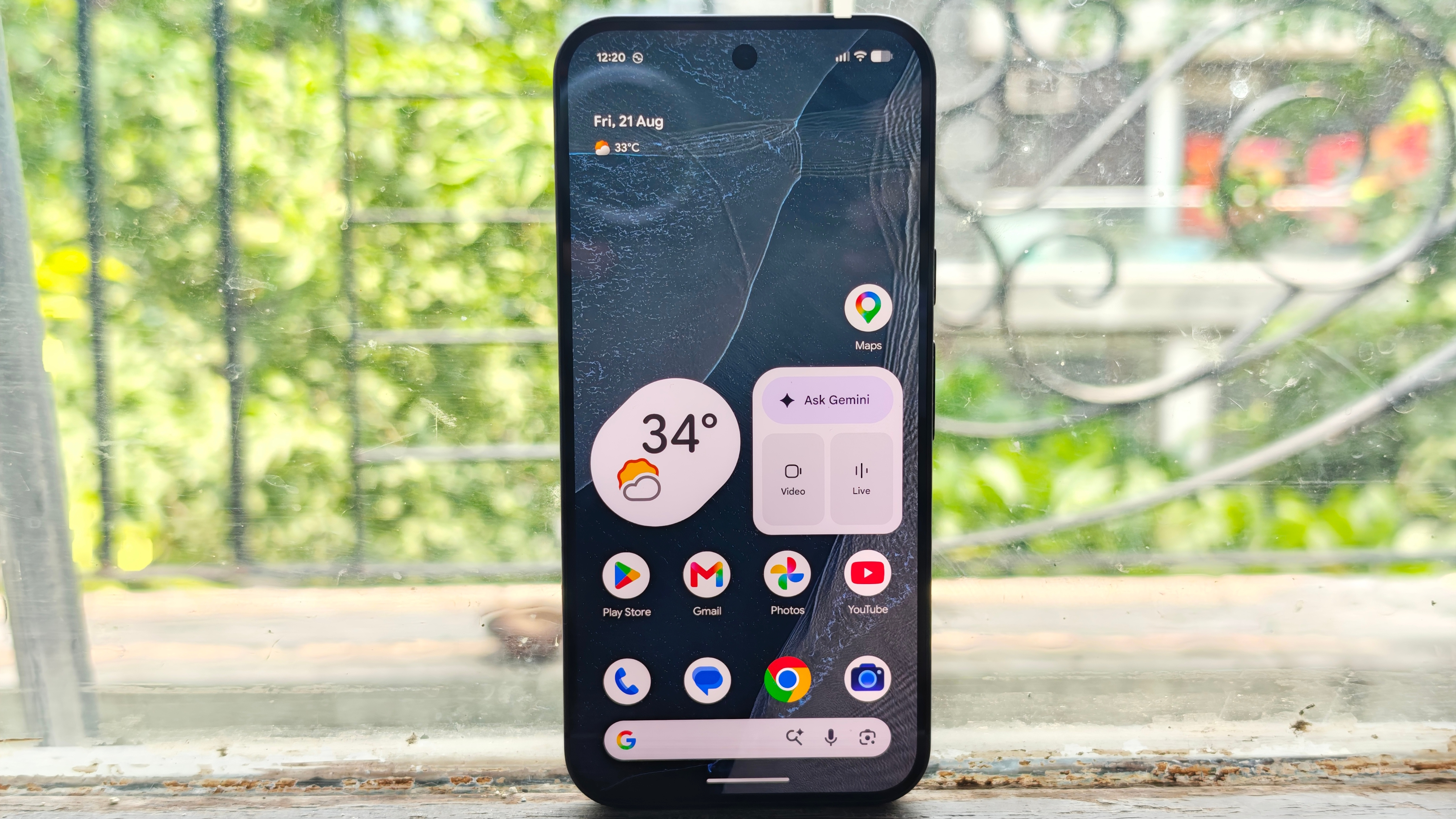
Google’s latest flagship, the Pixel 11 Pro XL, represents an iterative step forward rather than a radical redesign. According to a review by TechCrunch, the device retains a familiar aesthetic, with primary visual changes limited to new colour options and the addition of a small LED notification light on the back. While the hardware feels solid, the upgrade path for recent Pixel owners may be less compelling due to pricing adjustments and the nature of the improvements.
The standout software addition is Rambler, an AI-powered dictation tool that removes filler words and handles language switching. The reviewer noted that the tool performs on par with top industry competitors, making it a practical daily utility for taking notes and replying to messages. This feature contrasts with other AI capabilities that remain region-specific or limited in scope, such as agentic tasks like automated food ordering, which are currently available only in the United States.
Camera performance has also seen notable enhancements. Google has implemented larger sensors for both the main and telephoto cameras, allowing for better light capture and detail. The Pro Res Zoom feature, which uses AI to upscale images at high magnifications, now supports a maximum digital zoom of 120x, up from 100x in the previous generation. Additionally, the Night Sight mode for low-light photography has been sped up, reducing the time required to hold the phone steady for a clear shot.
A new feature called HiLight replaces the previous temperature sensor with an LED light that indicates Gemini activity or calls from favourite contacts. While the light offers various colour options, it does not yet support text messages, limiting its utility for users who prefer to keep their phones face down. Google’s marketing strategy this year has emphasised reducing screen time, a goal that HiLight partially supports by providing subtle visual alerts.
The camera suite also introduces "Looks," a set of customisable computational photography styles that alter the image processing pipeline. Options range from "original" and "natural" to more stylised presets like "digi" and "black tie." Another new tool, Magic Capture, uses AI to extract still photos from video clips, which is particularly useful for capturing fast-moving subjects like pets or children. However, the feature is limited to 12-megapixel resolution and can struggle with moving subjects.
Pricing and hardware specifications reflect the broader industry "component crunch." Google has scrapped the 128GB base model and reduced RAM from 16GB to 12GB for the Pixel 11 and Pixel 11 Pro. The Pixel 11 Pro XL has seen a price increase of $100 compared to its predecessor. These factors, combined with the iterative nature of the upgrades, suggest that while the device is solid, it may not be a strong incentive for enthusiasts to upgrade from last year’s models.