Google Pixel 11 Pro review: Strong camera and voice tools offset inconsistent AI features
The Verge’s assessment of the new device finds that while Rambler and Magic Capture deliver practical value, flagship AI features like Proactive Assistance remain unreliable and narrowly defined.
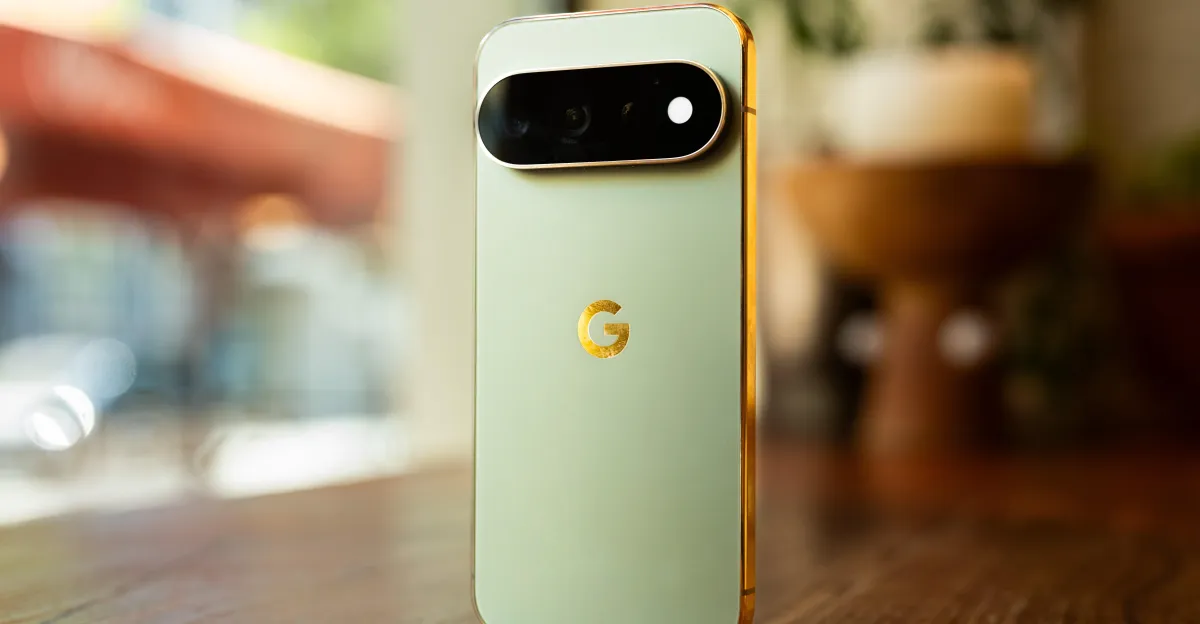
The Verge has published a review of the Google Pixel 11 Pro, characterising the device as a strong smartphone that relies heavily on new software features rather than significant hardware changes. The assessment highlights that the hardware updates are minor compared to last year’s models, meaning the new software capabilities form the primary value proposition for potential buyers.
The review praises specific utility-focused tools, particularly the Rambler voice-to-text feature, which is noted for removing filler words and handling grammar automatically. The Magic Capture camera function and Camera Looks are also highlighted for their quality, with the latter offering adjustable creative styles that alter computational processing at capture rather than simply applying post-production filters.
However, the assessment criticises the Proactive Assistance and HiLight features for being inconsistent and poorly executed. Proactive Assistance, which is designed to surface dynamic chips for tasks like booking reservations, often requires very specific keywords or conditions to function and frequently disappears when the user replies. HiLight, a multicoloured LED ring intended to notify users of important events while the phone is face down, is described as limited in utility, currently only glowing for Gemini voice interactions or calls from favourite contacts.
Hardware improvements include brighter 3,600-nit screens, faster wired and wireless charging speeds, and a larger telephoto sensor that captures more light. The review notes that the 5x optical telephoto camera shows improved quality even at high zoom levels, and the new 120x Pro Zoom mode uses generative AI to enhance images, though results can be inconsistent on detailed shots.
Despite these upgrades, the base model of the Pixel 11 Pro now features less RAM, dropping to 12GB from the 16GB standard in previous generations. This reduction in memory accompanies a higher price point, with the base model now costing $1,099, which is $100 more expensive than its predecessor.
The Verge concludes that while the Pixel 11 Pro is not yet smart enough to significantly reduce screen time as Google has promised, it remains a compelling option for users seeking superior voice-to-text capabilities and versatile camera tools. The device is positioned as a strong choice for those prioritising practical software enhancements over experimental AI functionalities.