Google Pixel 11 Pro and Samsung Galaxy S26 Ultra: Flagship Showdown Heats Up
With the Pixel 11 Pro starting just under $1,100 and the Galaxy S26 Ultra at $1,300, consumers face a choice between integrated artificial intelligence and extensive customisation tools.
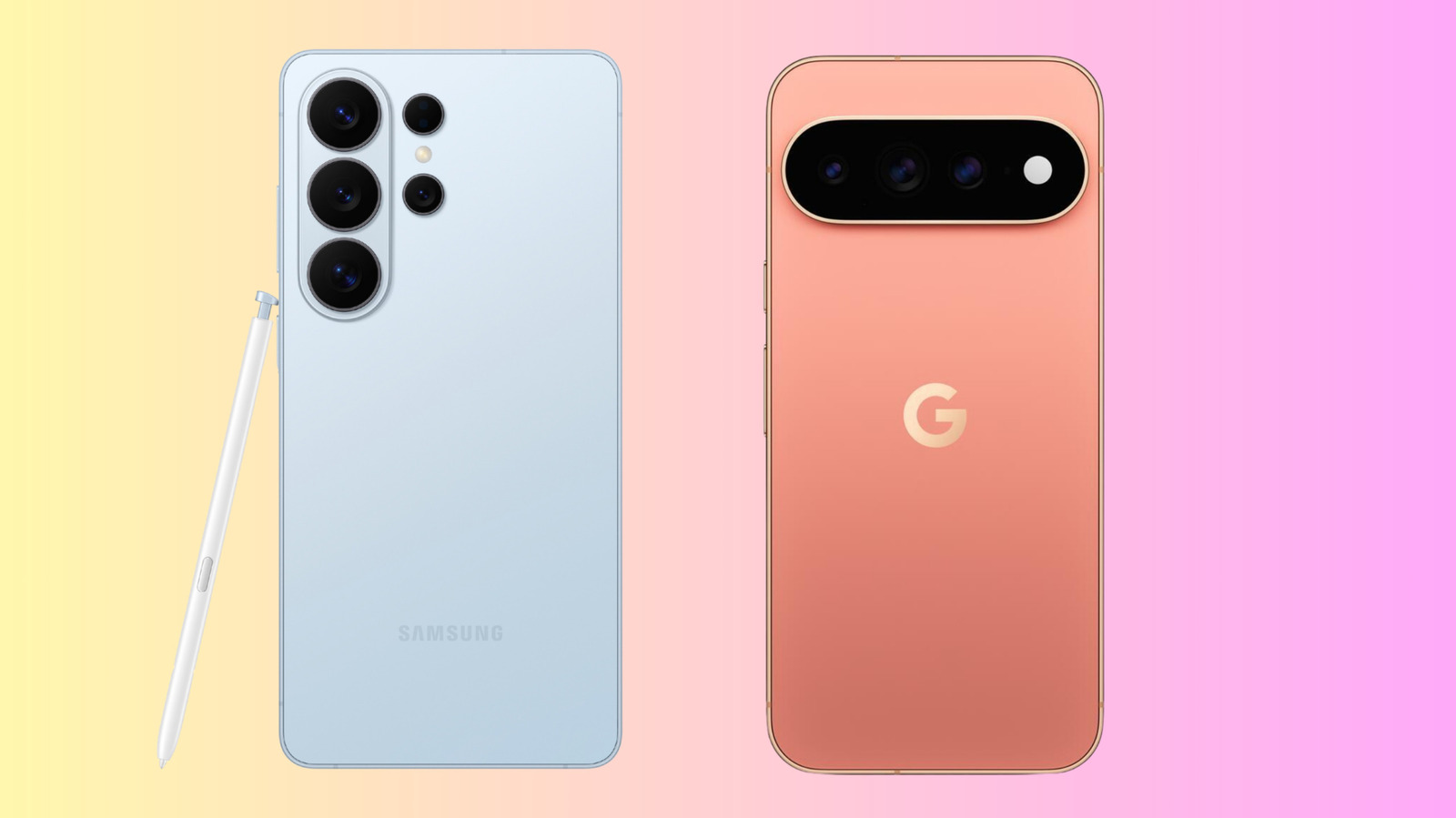
Google has officially launched the Pixel 11 and Pixel 11 Pro smartphones, positioning them directly against Samsung’s Galaxy S26 Ultra in what promises to be a pivotal battle for the premium Android market. Announced at the Made by Google 2026 event, the new devices arrive as the autumn tech season kicks off, with industry observers noting that Google’s hardware often sets the standard for third-party app developers across the Android ecosystem.
At the core of the Pixel 11 series is Google’s custom Tensor G6 chip, which the company claims is 20 per cent more power efficient and offers 50 per cent more TPU compute for artificial intelligence tasks compared to its predecessor. This silicon powers both the 6.3-inch Pixel 11 Pro and the 6.8-inch Pro XL, devices that feature 12GB of RAM for 256GB and 512GB storage tiers, and 16GB for the 1TB model. In contrast, the Galaxy S26 Ultra utilises Qualcomm’s Snapdragon 8 Elite Gen 5 processor, a component traditionally regarded as a powerhouse in mobile performance.
Display specifications highlight a divergence in engineering priorities. The Pixel 11 Pro and Pro XL boast LTPO OLED panels with a peak brightness of 3,600 nits, significantly outshining the S26 Ultra’s 6.9-inch LTPO AMOLED display, which tops out at 2,600 nits. Samsung counters with a Privacy Display feature that narrows the viewing angle to protect screen content from onlookers, though this limits peak brightness. The S26 Ultra also retains the S Pen stylus, a feature absent from the Pixel lineup.
Battery life and charging capabilities present a mixed comparison. The Pixel 11 Pro houses a 4,850mAh battery with 30W wired charging, while the Pro XL increases this to 5,115mAh with 45W support. Both Pixel models support Qi2.2 wireless charging at 25W. The Galaxy S26 Ultra matches the 5,000mAh capacity but offers faster 60W wired charging and 25W wireless charging, though users require a compatible case for Qi2 functionality.
Software strategies further distinguish the two flagships. Google has integrated Gemini deeply into the Pixel UI, introducing features such as Gemini Calling, which allows the AI to contact businesses on the user’s behalf, and HiLight, an LED notification array on the camera bar. Samsung’s One UI 8.5 on the S26 Ultra focuses on granular customisation, including a fully editable Quick Settings panel and an enhanced Audio Eraser tool for video and call noise reduction.
Pricing reflects the competitive landscape. The Pixel 11 Pro starts at just under $1,100 for the 256GB model, with no 128GB option available. The Pixel 11 Pro XL begins at $1,300, marking a $100 increase from the previous generation. The Galaxy S26 Ultra also launches at $1,300 for its 256GB configuration, placing it in direct competition with Google’s larger Pro model.