Google expands wearable health suite with blood pressure and insulin resistance tracking
The new tools utilise proprietary algorithms to monitor trends in blood pressure and insulin resistance, though Google cautions the features are not clinical diagnostic substitutes.
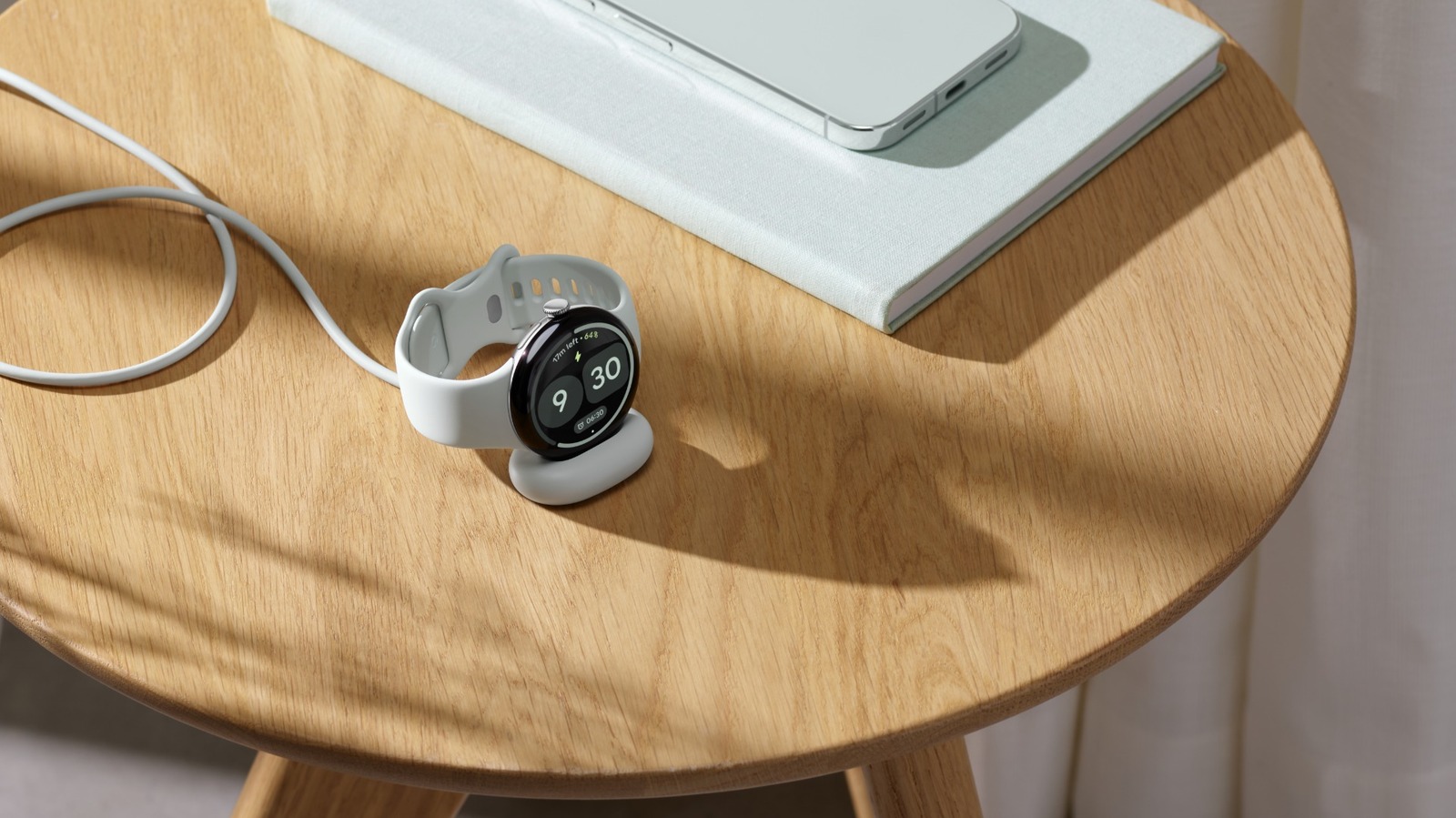
Google has introduced Health Guardian, a new suite of health monitoring tools launched alongside the Pixel Watch 5. The platform aggregates data from pulse, motion, and heart rhythm sensors to provide users with monthly scores for blood pressure trends and insulin resistance. The system employs artificial intelligence to analyse this data and deliver tailored health recommendations, positioning the feature as an early warning system for metabolic health.
The insulin resistance tracking capability represents a significant step for wearable technology, aiming to passively monitor the body's energy efficiency. Google states that the algorithm analyses heart rhythm, sleep quality, and activity levels to generate a monthly score. This development follows a 2023 study conducted in partnership with Quest Diagnostics, known as WEAR-ME, which cross-referenced wearable sensor data with in-person blood tests to identify links between device metrics and metabolic indicators. Further research published in Nature in March 2026 demonstrated the potential for wearables to identify insulin resistance early.
In addition to metabolic tracking, Health Guardian includes a Breathing Emergency Detection feature designed to identify critical drops in oxygen saturation. The system utilises an AI-based algorithm to monitor heart rate, motion, and altitude data. If a potential emergency is detected, the watch first attempts to rouse the user through vibration and audible signals. Should the user remain unresponsive after a 30-second countdown, the device will automatically contact emergency services.
Availability for the new features varies by region and device model. Blood pressure and insulin resistance tracking will be rolled out to Pixel Watch 3, 4, and 5, as well as the Fitbit Air, this autumn. Breathing detection is currently available in several European countries for the Pixel Watch 4 and 5, but has not yet received clearance from the US Food and Drug Administration. Consequently, the emergency detection feature is not yet accessible to users in the United States.
Google has emphasised that these features are not a substitute for clinical diagnostic tools and do not provide medical advice. While cuffless blood pressure monitoring is becoming more common among high-end wearables, accuracy remains a challenge, with competitors like Samsung requiring regular calibration against traditional cuffs. Google’s approach offers a single monthly data point rather than continuous real-time readings, aiming to provide trend analysis rather than immediate clinical measurement.