Google expands wearable health monitoring with AI-driven emergency detection and trend analysis
The tech giant is rolling out breathing emergency detection and blood pressure trend monitoring across its wearable ecosystem, though regulatory clearance remains a barrier in the United States.
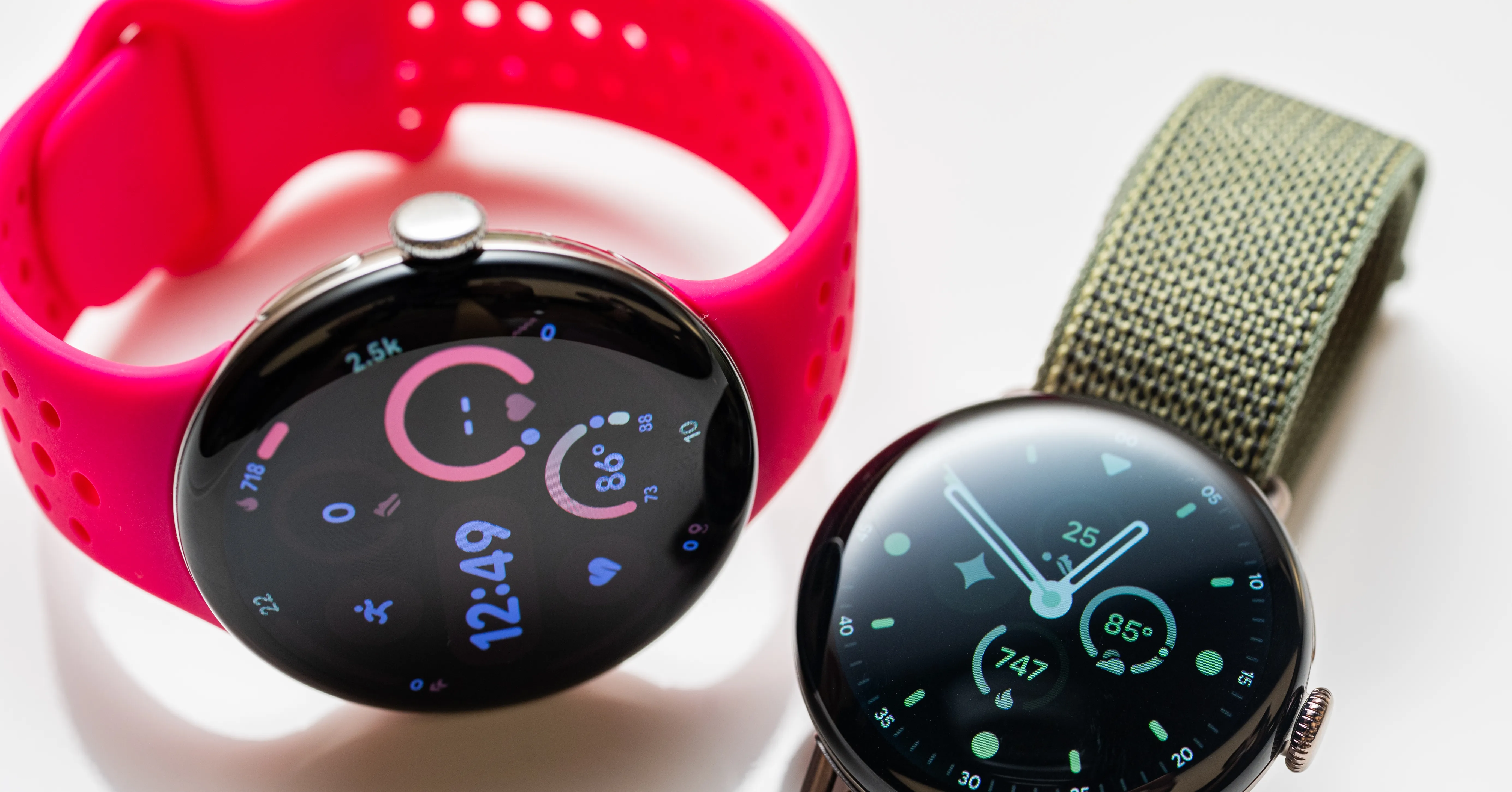
Google has announced a significant expansion of its wearable health capabilities, introducing Breathing Emergency Detection alongside trend monitoring for blood pressure and insulin resistance. The new features, part of a newly established 'Health Guardian' category, are available on the Pixel Watch 5 and Pixel Watch 4, with broader compatibility extending to the Fitbit Air and Pixel Watch 3 models later this autumn.
Breathing Emergency Detection utilises an on-device artificial intelligence algorithm to identify persistent drops in oxygen saturation. Triggered by events such as choking, severe pneumonia, or drug toxicity, the system can automatically contact emergency services and share the user's location. The feature relies on data from photoplethysmography sensors, accelerometers, and barometers to detect these critical changes in real time.
While the technology represents a shift towards proactive health safety, its deployment is currently restricted. The breathing detection feature is available in select European Union markets but has not yet launched in the United States due to a lack of clearance from the Food and Drug Administration. Google stated it is working with regulators to expand availability, noting that the feature is not intended for individuals with pre-existing respiratory conditions nor designed to diagnose or treat medical conditions.
Beyond emergency response, Google is leveraging its sensor data to provide trend monitoring for blood pressure and insulin resistance via the Google Health app. The company claims its large sensor models can match photoplethysmography signatures to arm cuff data to predict these trends. This move places Google in direct competition with rivals such as Apple and Samsung, who have previously introduced hypertension notifications or blood pressure monitoring on their respective devices.
The Health Guardian umbrella aims to centralise these safety features, including existing capabilities like irregular rhythm notifications and Loss of Pulse Detection. Users will receive monthly reports based on 24/7 passive monitoring, with options to consult an AI-powered Health Coach or share data with physicians. However, medical experts remain cautious; the American Heart Association has noted that while cuffless devices show promise, arm cuffs remain the gold standard for diagnosis and guiding medication.