Google executives outline wearable strategy, prioritise wrist devices over smart rings
Google has confirmed it will not pursue smart rings in the short term, focusing instead on the Pixel Watch 5 and Fitbit Air as it navigates the experimental phase of AI-driven wearables.
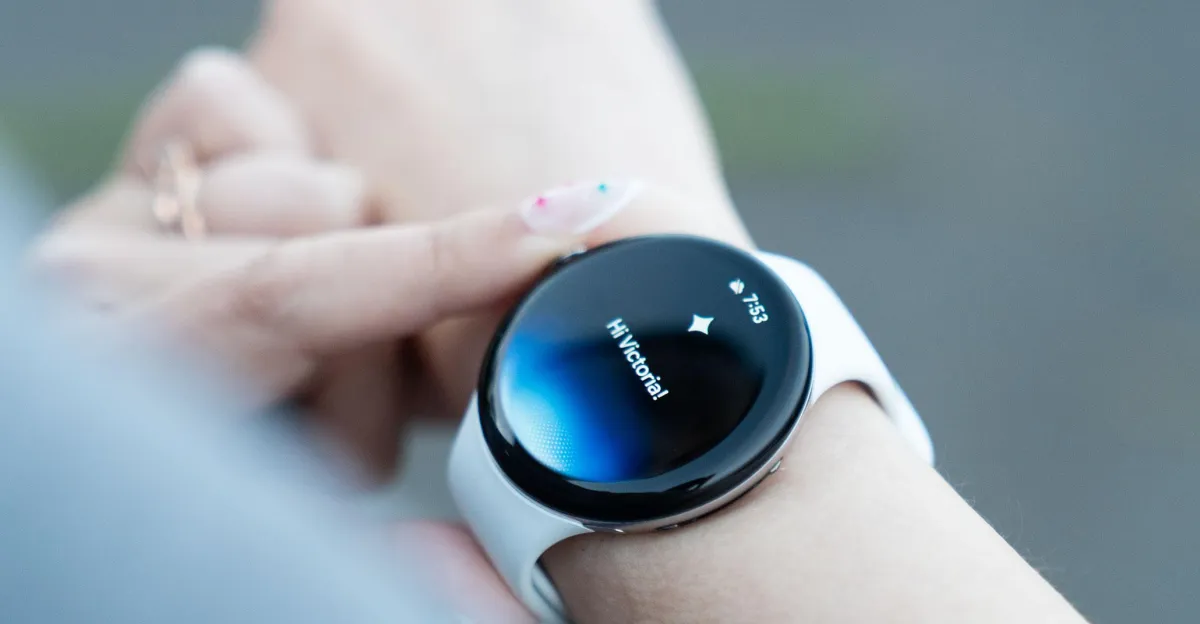
Google executives have provided a clear roadmap for the company’s next generation of wearables, confirming that the firm will prioritise wrist-worn devices over smart rings in the immediate future. Speaking at a roundtable in New York ahead of the Made by Google event, Rishi Chandra, Google’s vice president of health and home, and Sandeep Waraich, senior director of wearables, outlined a strategy focused on the Pixel Watch 5 and the newly introduced Fitbit Air.
Chandra stated that while Google is not closing the door on smart rings, the company believes there is significant headroom in the wrist-worn category. He argued that the Fitbit Air offers far bigger expansion opportunities due to its simplicity and ease of use, positioning it as a key driver for broader market adoption. The executives noted that wearable penetration currently stands at approximately 30 per cent, leaving a substantial untapped market among consumers who do not currently track their health.
The discussion also addressed the absence of an "Ultra" version of the Pixel Watch, a tier offered by competitors such as Apple and Samsung. Waraich explained that the current Pixel Watch represents Google’s premium offering, and the company is wary of spreading its resources too thin by expanding the product line further. Instead, Google is focusing on refining the existing ecosystem to ensure it meets the needs of both casual users and health enthusiasts.
A central theme of the conversation was the integration of artificial intelligence into wearable hardware. Waraich highlighted that Google is benchmarking wrist-based interactions at seven seconds, aiming for quick, glanceable responses that respect the user’s time. The executives described the industry as being in an experimental phase, with various companies testing different form factors and use cases, from AI glasses to screenless trackers.
Privacy emerged as a significant challenge in this transition. Chandra acknowledged that adding microphones to devices like the Fitbit Air is not a technical hurdle but a user-sentiment and privacy issue. He noted that such features involve learning from the environment rather than just the user, requiring a careful balance to maintain customer trust. Google is exploring concepts where smart glasses cameras act as sensors without recording data, allowing for environmental queries without storing images.
The executives admitted that delivering personalised health recommendations remains a complex task. While AI holds promise for providing tailored advice, it requires extensive private data and must navigate regulatory and cultural considerations. Chandra and Waraich described this as a yearslong journey, emphasising that the company is committed to experimenting and iterating based on user feedback to find the right approach.