Google confirms Android XR smart glasses launch with Warby Parker and Gentle Monster
Initial demonstrations highlight seamless real-time translation and navigation capabilities, though consumer models will lack the built-in displays seen in internal reference hardware.
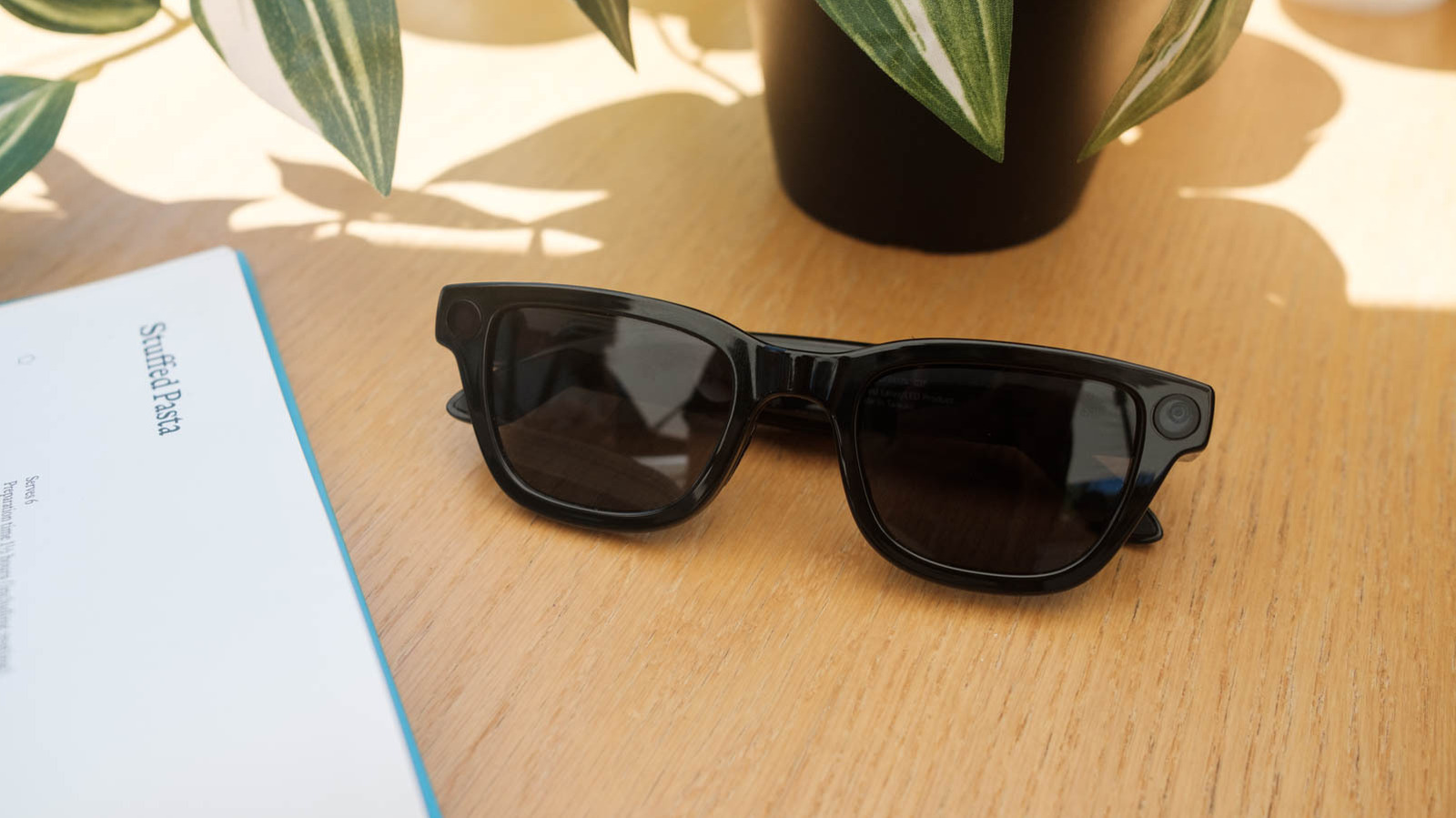
Google has officially confirmed that the first pair of Android XR smart glasses will launch later this year, marking a significant entry into the wearable technology sector. Announced at its I/O developer conference, the devices are being developed in partnership with optical retailers Warby Parker and Gentle Monster. This move positions Google to compete directly with Meta, which currently holds a years-long headstart in the market with its Ray-Ban Meta glasses.
During the conference, Google demonstrated reference hardware that offers a glimpse into the device’s capabilities. Unlike the consumer models from Warby Parker and Gentle Monster, which will be audio-only, the reference units featured a built-in display over the right lens with a 20-degree field of view. The hardware was described as feeling lighter than Meta’s chunkier Ray-Ban Display frames and less prototype-like than previous iterations, although specific technical specifications and pricing for the final consumer versions remain undisclosed.
A key differentiator for the Android XR platform is its deep integration with Google’s ecosystem, particularly the Gemini AI model. Demonstrations showcased seamless real-time translation between multiple languages, such as Spanish and Serbian, without interruption. Google claims this multilingual capability surpasses Meta’s current limitation of supporting only one language at a time and eliminates the need to pre-download language packs to a paired phone.
The multimodal features of Gemini allow the glasses to process visual information via onboard cameras. In one demonstration, the system identified ingredients in a recipe and added them to a shopping list on Google Keep via voice command. While the audio-only consumer models will not have a visual display, they will still support these AI functions and provide walking directions through audio cues, whereas the display-equipped reference hardware offered visual navigation maps.
Google is leveraging its existing suite of applications, including Maps, Gmail, and Keep, to create a practical utility for users. This contrasts with Meta’s current ecosystem, which has been criticised for limited third-party app support, primarily focusing on WhatsApp and Instagram. While Google’s offering is heavily reliant on its own services, the integration of real-time translation, navigation, and ambient information retrieval presents a compelling case for travellers and daily users alike.
Despite the promising demonstration, uncertainties remain regarding the final form factor, battery life, and processor details of the consumer frames. The comparison to Meta’s devices was based on specific internal reference hardware, which may differ in user experience from the final products. Nevertheless, the confirmation of a launch later this year signals that the smart glasses market is about to become significantly more competitive.
