Google unveils Wear OS 7 with AI integration and battery efficiency claims
Announced at the I/O 2026 developer conference, the update promises up to 10 per cent better battery life for users upgrading from Wear OS 6.
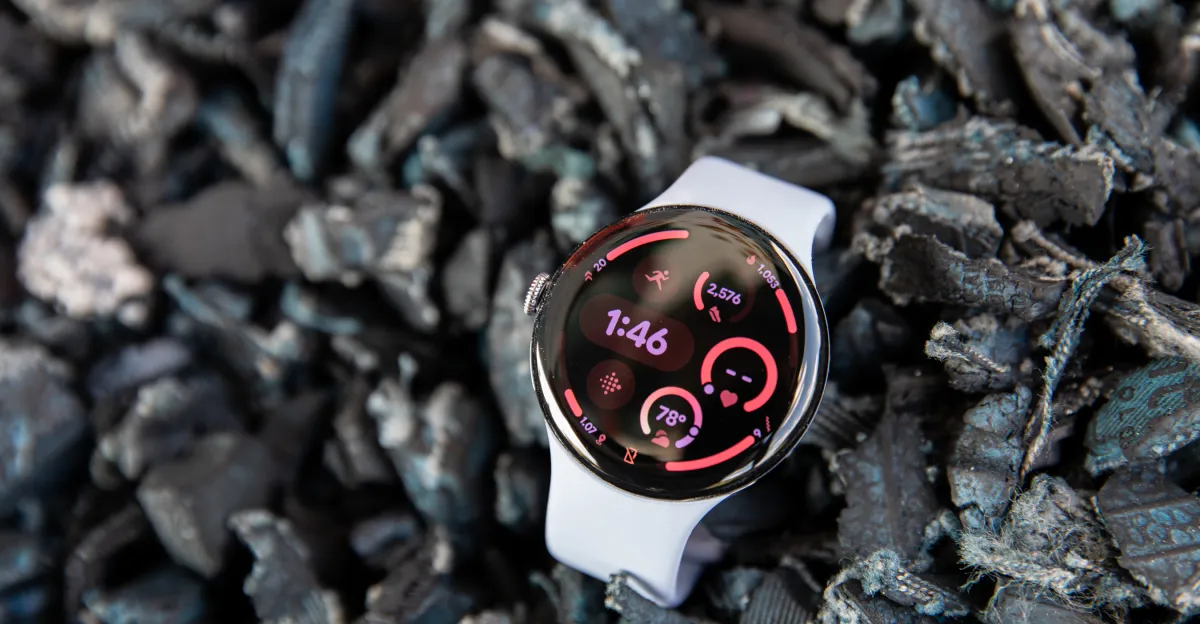
Google has unveiled Wear OS 7 at the I/O 2026 developer conference, marking the next major iteration of its smartwatch operating system. The update introduces significant interface changes and AI-driven features, including Live Updates for real-time tracking of deliveries and sports scores, alongside a new widget system designed to align with Android’s standard formats.
The platform will adopt Live Updates, a feature previously introduced on Android last year, allowing users to monitor automated tasks performed by AI directly from their wrist. This functionality is described as similar to the Live Activities feature on iOS, enabling proactive tracking of events such as sports scores and package deliveries without requiring users to open specific applications.
In a move to modernise the user interface, Google is replacing the existing 'Tiles' system with 'Wear Widgets'. These new elements support small and large layouts that correspond to Android’s 2x1 and 2x2 formats, offering a more consistent visual experience across the company’s mobile and wearable ecosystems.
Google also announced the introduction of Gemini Intelligence, its branding for personalised and proactive AI features, to select watches later this year. The company stated it is investing in power optimisations to support these enhancements, claiming the update will deliver up to 10 per cent better battery life for users upgrading from Wear OS 6.
While the efficiency gains are a key selling point, Google noted that these figures are based on internal testing. The actual impact on battery performance may vary in real-world usage, and the specific watch models eligible for the initial Gemini Intelligence rollout have not yet been detailed.
