Gombe riders pivot to electric motorcycles as fuel subsidy removal drives transport costs
Industry experts call for government intervention on import duties and battery-swap infrastructure to support the transition away from petrol-powered transport.
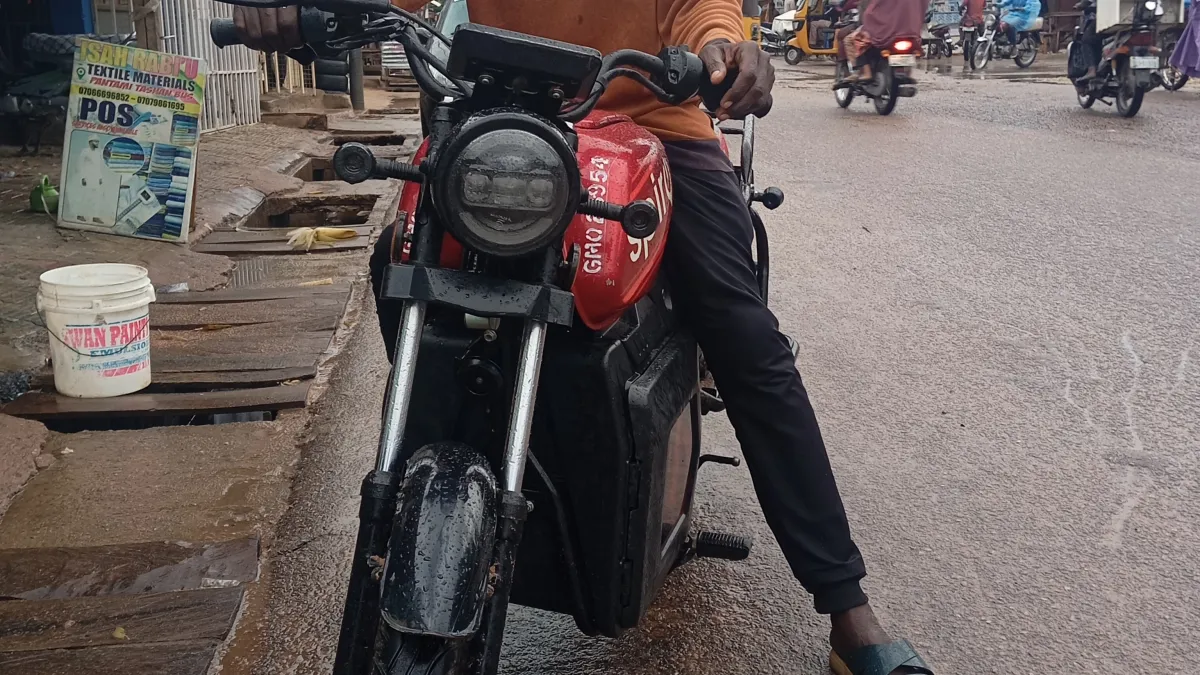
Electric motorcycles are gaining traction in Gombe, Nigeria, as riders seek to mitigate rising transport costs following the removal of the national fuel subsidy in May 2023. The shift is driven by economic necessity rather than climate policy, with petrol prices in the region surging to approximately 1,365 naira ($1) per litre, compared to roughly 200 naira (15 cents) prior to the subsidy’s end.
While the bikes offer significant savings on fuel and maintenance, their wider adoption is hindered by Nigeria’s unreliable electricity supply and the high upfront cost of approximately 1 million naira ($735). Early adopters report that the switch has reduced their weekly fuel expenses by an estimated 5,000 naira ($3.7), with some noting a reduction in mechanical issues associated with petrol engines.
Muhammad Abubakar, chief executive officer of clean-energy company Sustenaa, argues that relying on home charging is not a viable long-term solution due to inconsistent power availability. He advocates for the development of solar-powered battery-swap stations, warning that charging electric bikes with generators merely shifts emissions from exhaust pipes to generator pipes.
The World Bank identifies road transport as a major contributor to air pollution in Nigerian cities, with vehicle emissions adding significantly to levels of harmful particulate matter. Abubakar suggests that even a fraction of the commercial bike fleet transitioning to electric mobility could lead to visible improvements in air quality across major urban centres.
To facilitate the transition, Abubakar has called on the government to reduce import duties on electric-bike components, support battery-swap operators, establish recycling standards, and integrate electric mobility into solar mini-grid projects. For now, electric motorcycles remain a niche option in Gombe, but they offer a glimpse of how economic pressure is beginning to reshape transport across Nigeria.