Goa’s orchata: A colonial relic preserved by nostalgia, not market demand
As tourism reshapes the state, a handful of producers and historians argue that orchata’s future lies in cultural preservation, not a return to its former elite prominence.
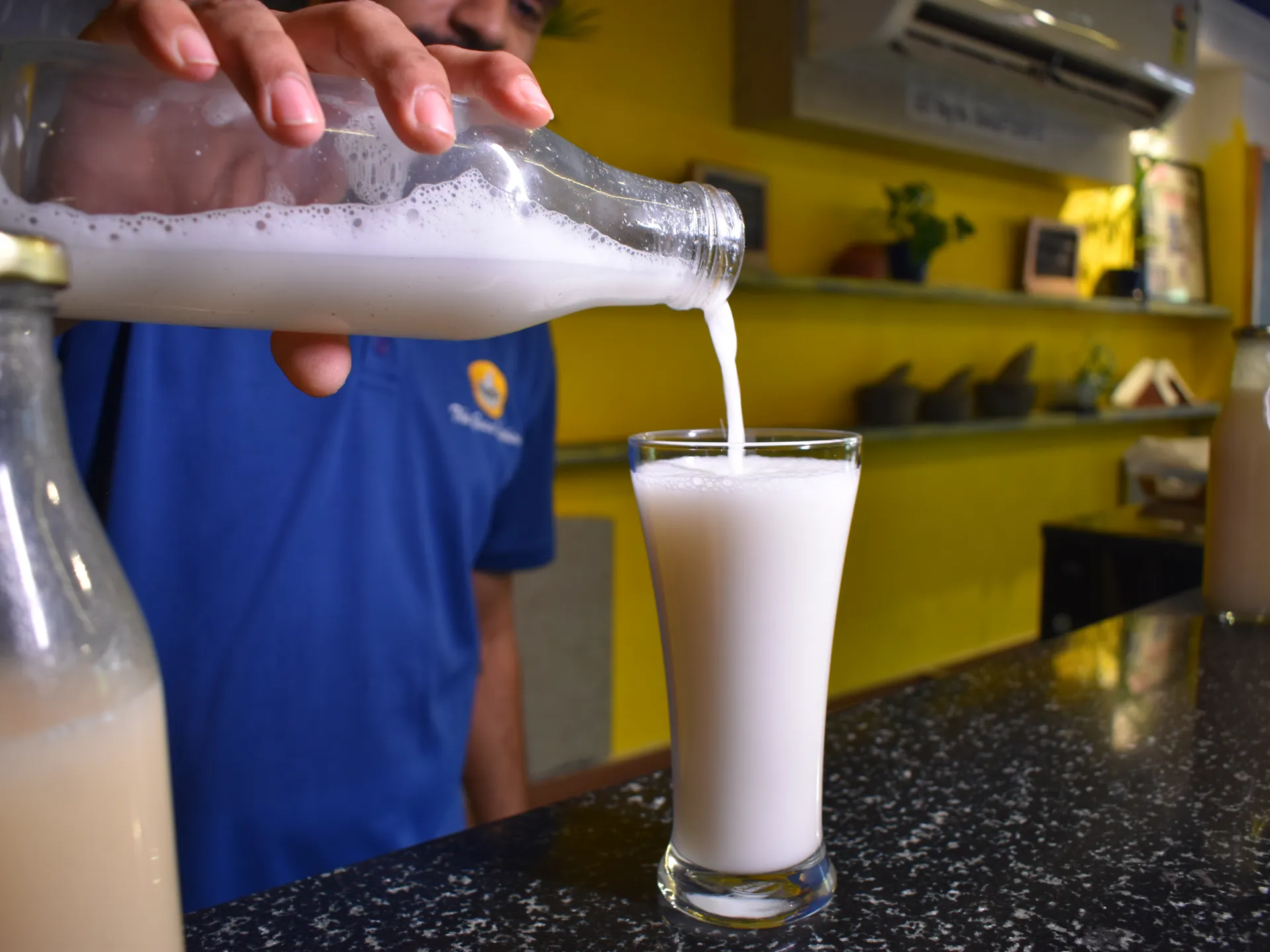
In Goa, the traditional almond beverage orchata is surviving not through commercial expansion, but through deliberate cultural preservation. Once reserved for elite Catholic households during the colonial era to signify status through the use of imported almonds, the drink has largely faded from mainstream consumption. Today, its existence is maintained by a small cohort of individuals and businesses who view the recipe as a fragile heritage item rather than a viable mainstream product.
Key figures in this preservation effort include French professor Eunice Lima Fernandes De Sa, who spent five to seven summers perfecting a recipe from memory after a three-decade absence; Carol Baretto Miranda, who utilises a 1980s family cookbook to maintain the tradition; and Oliver Fernandes of The Goan Kitchen. Fernandes views the drink as part of a broader mission to safeguard lesser-known Goan foods, noting that orchata’s history is deeply layered with colonial influence and social stratification.
Commercially, Marcaflys, founded in 1971 by Maria Souza and now managed by her son Joaquim, remains the only licensed manufacturer of the drink. Producing small batches of concentrate sold in supermarkets during peak summer months, the business reflects the drink’s modest demand. Joaquim Souza notes that sales are driven by nostalgia rather than impulse purchases, with the product rarely chosen over familiar beverages even at weddings.
The drink’s origins trace back to Moorish horchata, adapted in colonial Goa where imported almonds were used to denote wealth. While cashews are abundant in the region, orchata retained almonds to maintain its association with Portuguese-influenced Catholic households. Oliver Fernandes suggests that political dynamics in the years leading up to Goa’s liberation in 1961 may have further cemented this exclusivity, with subsidised exotic dry fruits supplied to loyalist families.
Despite efforts by The Goan Kitchen to introduce orchata to tourists and bars for use in cocktails, the drink has not regained its former ubiquity. Fernandes argues that the social lines which once determined access to the beverage have shifted, and while the drink may never return to elite family tables, its survival through small-scale production ensures it does not disappear entirely.