Global energy crisis drives up California petrol prices ahead of US midterms
Rising fuel costs linked to international conflict are eroding consumer confidence as November elections approach, despite relative insulation compared to other regions.
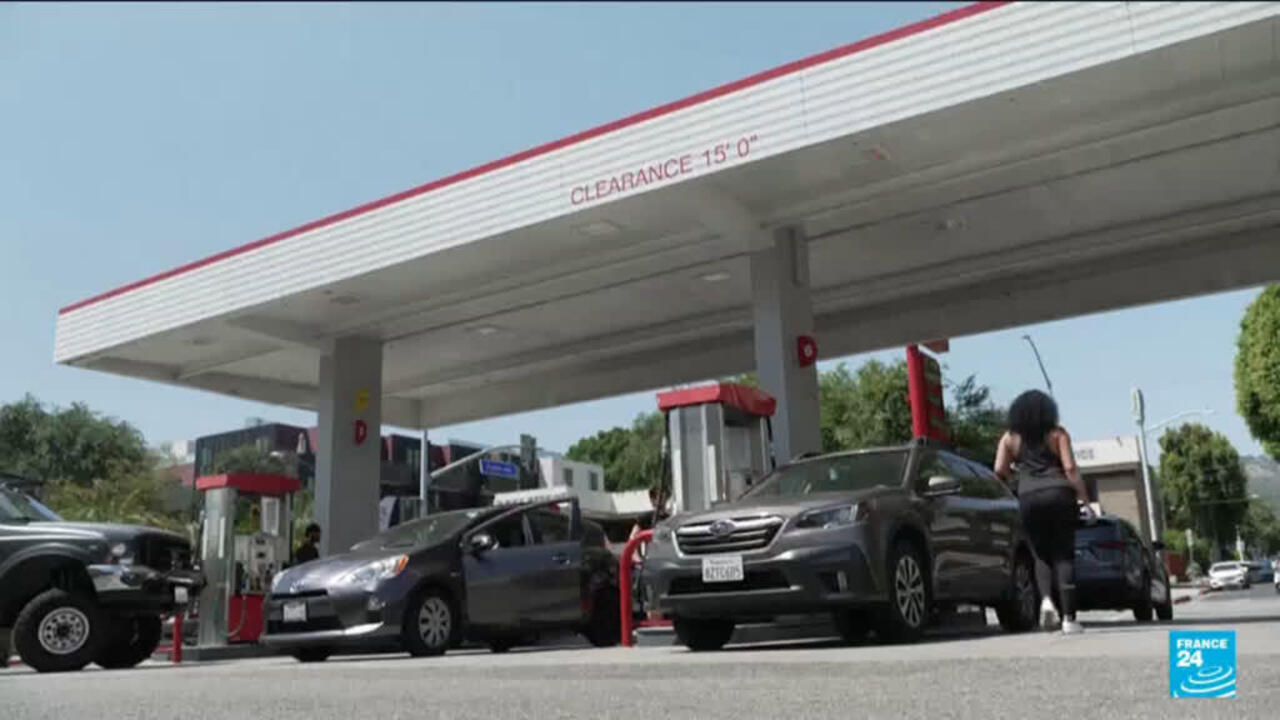
A surge in petrol prices across California is generating significant friction among residents who have long operated under the expectation of historically low fuel costs. This domestic disruption is not an isolated phenomenon but a direct manifestation of a broader global energy crisis precipitated by ongoing warfare.
While the United States has maintained a degree of insulation from the severity of price hikes affecting Asia and Europe, the transmission of these global market shocks is becoming increasingly evident. The structural link between the conflict and rising domestic costs suggests that geopolitical instability is fundamentally altering the governance landscape regarding energy security.
The timing of this escalation coincides with the approaching midterm elections in November, transforming a market fluctuation into a potent political issue. As the electorate nears the ballot, the administration's ability to manage energy policy and mitigate the impact of external shocks will face intensified scrutiny.
Americans, accustomed to cheap gasoline, are now expressing growing frustration at the pump. This sentiment reflects a wider dissatisfaction with how institutional frameworks handle the spillover effects of international crises. The narrative has shifted from routine economic reporting to a critical examination of policy resilience.
France 24 International has documented the connection between the war and the specific price movements observed in California. The reporting highlights that while the US remains relatively shielded compared to other continents, the effects are no longer negligible and are being felt with increasing frequency within the domestic economy.
As the political cycle intensifies, the focus remains on whether current governance structures can effectively address these external pressures without compromising the economic stability expected by the electorate. The convergence of war, market volatility, and electoral timing creates a complex environment for policymakers.