Glacial collapse on Nepal-Tibet border leaves 165 dead and nearly 1,500 missing
A debris flow triggered by glacial rock and ice has devastated the Himalayan border region, prompting an international aid response and leaving 34 Australians unaccounted for.
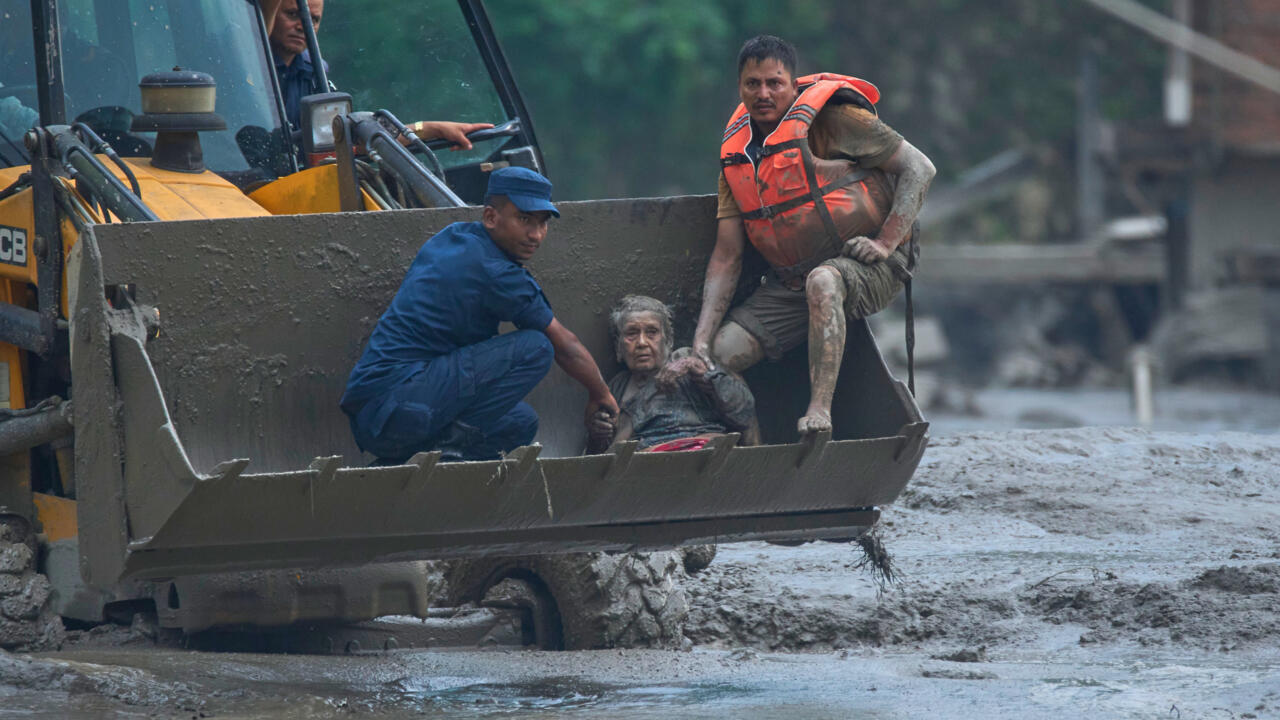
A catastrophic glacial collapse on the border between Nepal and China’s Tibet region has killed at least 165 people and left nearly 1,500 individuals missing, according to reports from France 24 International. The event, which occurred on Wednesday, 26 August, unleashed a torrent of mud and water that swept away homes, roads, and bridges in the Rasuwa district of Nepal and Gyirong county in Tibet.
Initial reports suggested the disaster was triggered by seismic activity, but the US Geological Survey clarified that the tremors were actually energy generated by the collapse of glacial rock and ice, followed by a debris flow. This distinction is significant for understanding the geological mechanisms at play, as the agency noted the collapse caused subsequent catastrophic impacts downstream rather than being a tectonic earthquake.
Rescue operations are ongoing, with the National Disaster Risk Reduction and Management Authority in Nepal reporting that 826 people remain missing. Chinese state broadcaster CCTV separately confirmed that 558 people are missing in Tibet, including 260 foreign nationals. The final death toll is expected to rise as rescue teams continue to search for survivors along the border, where communication infrastructure remains limited.
The disaster has prompted a coordinated international response. India has dispatched a second flight carrying 37.5 tonnes of humanitarian assistance, including medical supplies and food, to Nepal. The United States has pledged $500,000 in emergency assistance and is deploying a disaster response adviser to the region, while UN Secretary-General Antonio Guterres announced that UN teams are mobilising supplies and personnel to support affected communities.
For Australia, the situation remains uncertain. Prime Minister Anthony Albanese stated that at least 34 Australian citizens are reported missing, noting that Nepal’s status as a developing country limits its resources for such an event. Foreign Minister Penny Wong described the available information as "very limited," with a specific tour group of 47 people, including 15 Australians, confirmed missing by the tour operator Himalayan Glacier.
The human toll extends to religious and tourism sectors, with spiritual leader Sadhguru stating that 77 pilgrims were at the Nepal-China border immigration office when the flood struck. The Dalai Lama has also issued a statement of condolence for the victims. As darkness fell on the first night of the disaster, authorities continued the grim task of recovering bodies, with Nepal police reporting that 157 bodies had been recovered by late Wednesday.