Glacial collapse, not earthquake, triggered Nepal-Tibet border disaster
New US Geological Survey data clarifies the cause of the catastrophic floods, shifting focus from seismic activity to climate-driven glacial instability as international aid is coordinated.
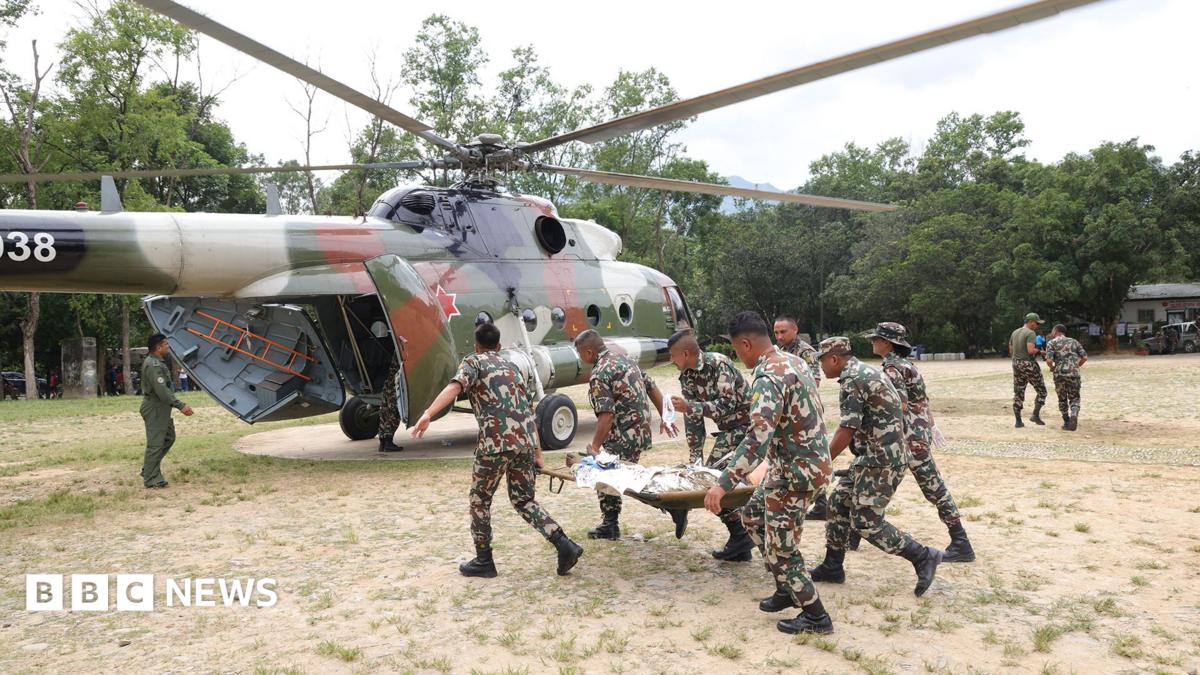
The United States Geological Survey has confirmed that the devastating floods and landslides on the Nepal-Tibet border were caused by a glacial collapse and debris flow, rather than the seismic event initially reported. This distinction is significant for long-term policy planning, as it points to climate-driven instability in the Hindu Kush Himalaya region rather than tectonic shifts. The disaster struck on Wednesday, causing widespread destruction in Nepal’s Nuwakot and Rasuwa districts and Tibet’s Gyirong county.
Initial reports suggested a magnitude 4.4 earthquake, but further analysis of seismic waves and satellite imagery indicated that a massive chunk of ice collapsed, pulling down rocks and sediments. This debris likely dammed the Trishuli River before bursting, creating a catastrophic flood. Scientists are now investigating whether warming permafrost and rapid glacier melt contributed to the failure, a trend that may require updated early warning systems in the region.
The human toll remains substantial, with Nepali police reporting at least 332 deaths. Nepal’s National Disaster Risk Reduction and Management Authority stated that 826 people are missing, including 529 tourists. In Tibet, state broadcaster CCTV reported 558 missing persons in Gyirong county, with a death toll of three. The exact figures remain difficult to verify due to damaged communication infrastructure and the risk of double-counting across the border.
The disaster has prompted a significant international response, highlighting the need for coordinated cross-border governance. The United States has pledged $500,000 for emergency shelter and relief items, while the United Kingdom has offered £5 million to the Nepalese government. India’s Prime Minister Narendra Modi stated his government is prepared to provide all possible humanitarian assistance, and the United Nations is mobilising supplies and personnel to support the government-led response.
Among the missing are nationals from numerous countries, including 288 from India, nearly 100 from China, 65 from the US, 53 from Ukraine, 51 from Malaysia, 34 from Australia, 33 from the UK, and 24 from Canada. The International Centre for Integrated Mountain Development has warned that secondary flooding could occur in the coming days if debris has formed temporary dams in narrow sections of the river system, adding urgency to the ongoing search and rescue operations.
China’s President Xi Jinping has urged an "all-out" search effort and promised stronger monitoring and early warning systems to prevent secondary impacts. Meanwhile, Nepal’s Prime Minister noted that the entire nation is deeply distressed, with officials coordinating closely with China. As rescue teams continue their work, the incident serves as a stark reminder of the governance challenges posed by climate change in high-altitude border regions.