Ghost investigators and Shinto rites: Japan’s market for stigmatized property
With nine million vacant homes nationwide, property owners are turning to technical surveys and religious cleansing to overcome legal disclosure requirements and deep-seated buyer reluctance.
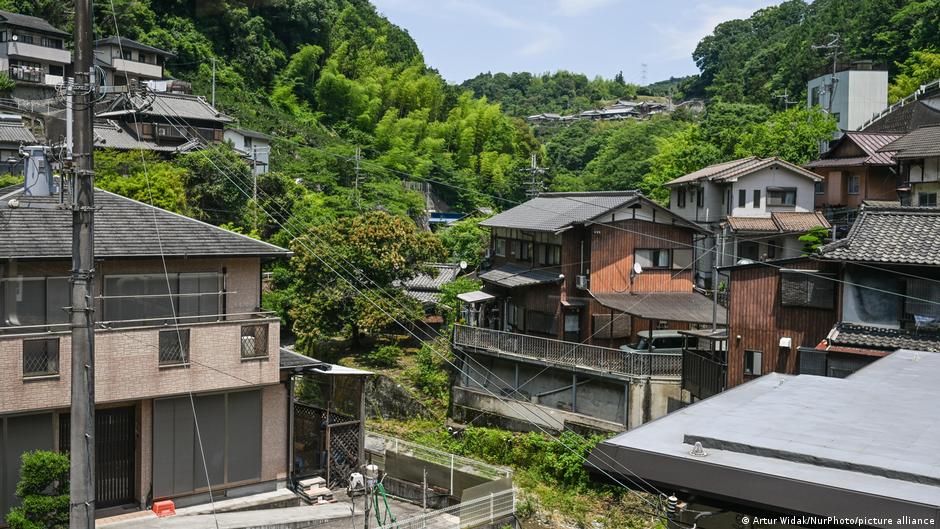
Cultural superstitions regarding death have catalysed a specialised market in Japan for "ghost investigators" and religious cleansing services, aimed at mitigating the stigma attached to properties where violent or sudden deaths have occurred. Known locally as "jiko bukken," these stigmatized homes face significant challenges in the rental and sales markets due to beliefs that death equates to impurity and misfortune.
Kazutoshi Kodama, president of Kachimode Co., established his firm in December 2022 to assist owners with the management of such properties. Kodama reports that demand for his "ghost investigation" services is soaring, as he seeks to reassure prospective tenants that properties are free from supernatural phenomena. His company conducts overnight stays from 10 pm to 6 am, alongside technical surveys that include electromagnetic wave measurements, thermography, and atmospheric pressure readings.
The service, which costs 88,000 yen per overnight stay, results in a comprehensive report that real estate agents can use to assert the absence of lingering "bad spirits." While Kodama notes that most perceived impurities are dismissed as one-off occurrences, his equipment has occasionally recorded anomalies. He acknowledges that in some cases, mysterious phenomena occur consistently over long periods, making these properties particularly difficult to let or sell.
Legal requirements complicate the situation further, as estate agents must disclose a property’s history to interested parties. A dedicated website lists the location and reason for the stigmatization of such properties, often citing suicide, fire-related deaths, or "lonely deaths." Consequently, owners in high-demand cities may need to reduce rents by 30%, with reductions up to 50% elsewhere, and some properties remain vacant for over 1,000 days.
Addressing this issue from a different angle, Akiya Mart, a platform promoting vacant homes, has introduced a package involving Shinto priests to cleanse properties of bad spirits. Founder Joey Stockerman highlighted that while some investors purchase stigmatized properties at significant discounts, such as 5% of true value, the mandatory disclosure often leads to prolonged vacancies. With a late 2024 government survey recording nine million vacant homes, accounting for 13.8% of all accommodation, the sector is viewed by industry insiders as a growing area of potential.