Ghana’s free speech debate intensifies as arrest figures double under Mahama
President John Mahama faces scrutiny from opposition leaders and civil society groups over the enforcement of Section 208 of the Criminal Code, marking a sharp contrast to his previous warnings against using state power to intimidate dissent.
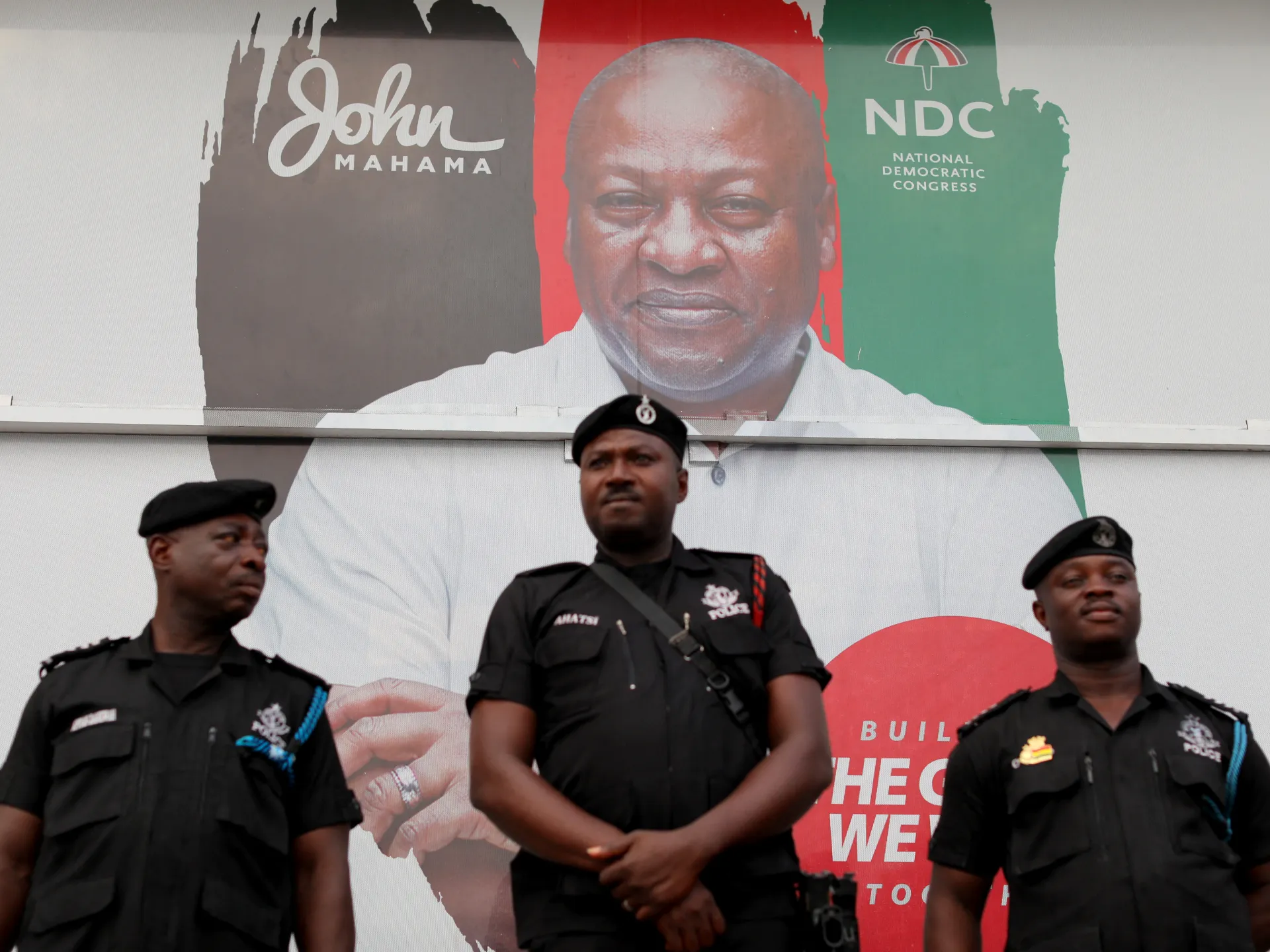
Ghana is grappling with a deepening crisis over freedom of expression as data from the Media Foundation for West Africa (MFWA) reveals 14 arrests linked to false news and offensive speech in less than 16 months. This figure is nearly double the number recorded during the previous administration’s eight-year tenure, triggering a fierce national debate over whether authorities are enforcing long-standing laws in a digital environment or adopting a restrictive approach to public speech.
The controversy carries significant political weight given President John Mahama’s history. While in opposition in 2022, Mahama warned that using state power to intimidate dissent was a “dangerous blueprint” for democracy. Critics now argue that his government is engaging in the very behaviour he once condemned. Minority leader Alexander Afenyo-Markin has explicitly labelled the arrests as “state-sponsored persecution,” telling Al Jazeera that arresting citizens for words that do not constitute genuine threats is intimidation rather than justice.
Government officials deny a systematic crackdown, maintaining that they are simply enforcing existing laws against reckless online content. A senior ruling party official argued that the opposition intentionally sponsors individuals to insult the President to score political points. He pointed to the case of TikToker Prince Ofori, known as “Fante Comedy,” who was arrested last August over alleged threats to President Mahama. Days after his arrest, Ofori appeared at a political rally alongside opposition figures, a development the official cited as evidence of how quickly such cases become politicised.
At the centre of the legal dispute are Section 208 of the Criminal Code and Section 76 of the Electronic Communications Act, provisions that have been on the books for decades. A legal consultant who reviewed recent cases identified at least 16 alleged misapplications of Section 208 in the past 18 months, compared with roughly a dozen in the previous eight years. The consultant stated that the law has been abused beyond repair and that repeal is the only remedy, highlighting concerns that the legal framework is being stretched to cover the explosion of anonymous and unregulated online content.
The debate extends beyond domestic politics, with concerns raised by the diaspora community regarding Ghana’s international reputation. Nana Kofi Opoku-Agyemang of the NuGhana Expat Center expressed worry about the negative image projected abroad, noting that negative news sells quickly. Meanwhile, civil society figures like Tegha King of the Universal Peace Federation Ghana argue that stronger institutions, independent courts, and media self-regulation are needed to manage the pressures of the digital age, rather than increased arrests. As the political irony of Mahama’s current stance contrasts with his past warnings, opposition leaders are calling for restraint, urging the President to leave a legacy of tolerance rather than continuing a cycle of intimidation.