Ghana establishes reparatory justice bodies following Accra conference
President John Dramani Mahama announces three new international entities as delegates adopt 19-point framework demanding formal apologies, debt relief, and cultural restitution.
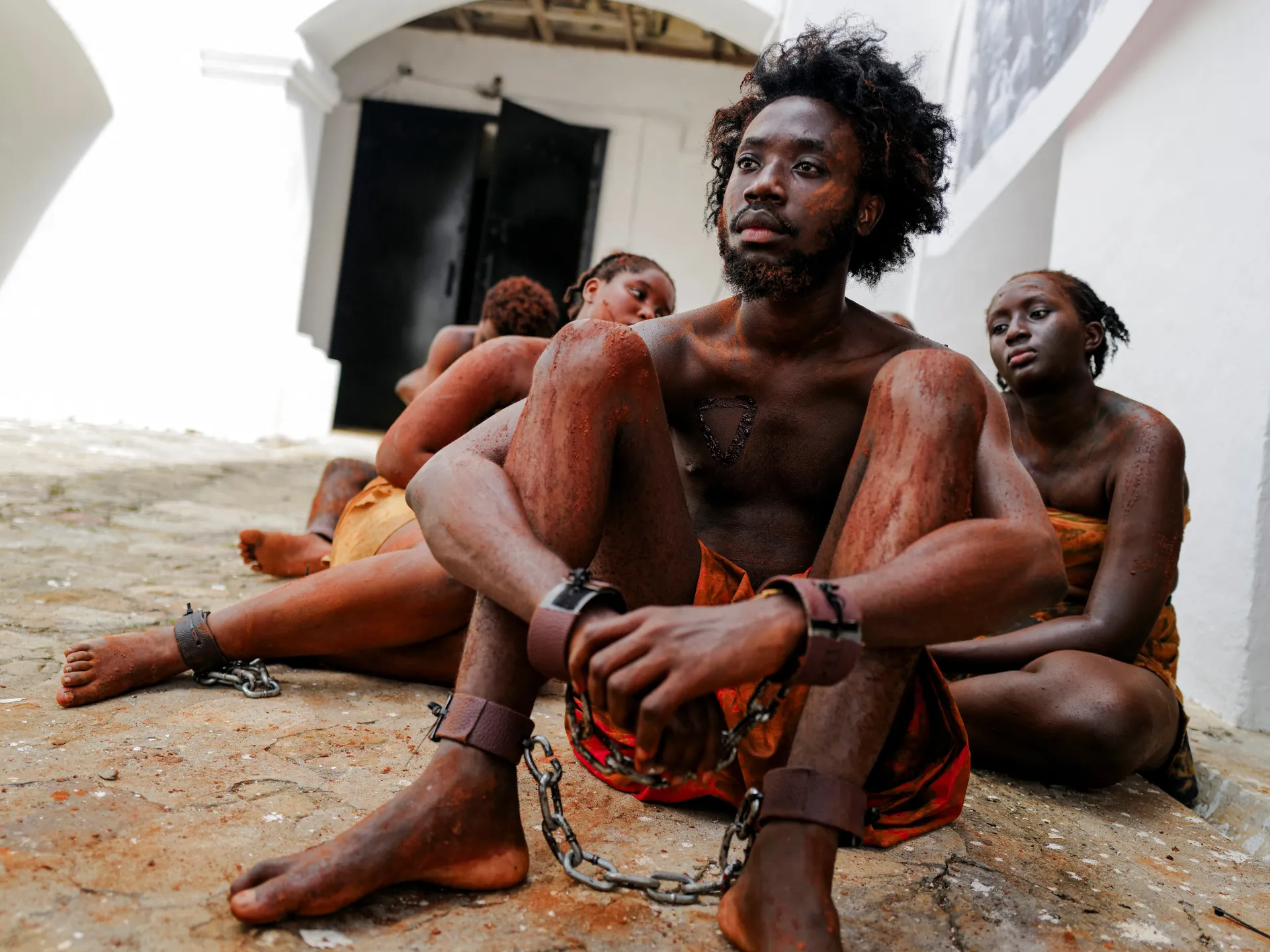
Ghanaian President John Dramani Mahama has announced the establishment of three international bodies dedicated to reparatory justice, cultural restitution, and legal affairs, marking a significant institutional pivot in the global debate over historical accountability. The announcement was made at the conclusion of the “Next Steps” conference, a three-day gathering held at Christiansborg Castle in Accra, which brought together heads of state, policymakers, academics, and civil society representatives to address the enduring impacts of the transatlantic slave trade.
The conference produced a 19-point framework calling for formal apologies from nations and institutions that profited from slavery, the creation of reparations mechanisms, the return of cultural artefacts and human remains, debt relief, and educational initiatives. The outcome document explicitly stated that the consequences of slavery continue to manifest through structural inequalities, economic disparities, systemic racism, cultural erasure, and development challenges, arguing that these legacies persist in global economic structures today.
The gathering occurred shortly after the United Nations General Assembly adopted a landmark resolution recognising the trafficking of enslaved Africans and racialised chattel slavery as crimes against humanity, a measure backed by 123 countries. This was the first UN resolution dedicated exclusively to slavery and the transatlantic slave trade, providing a renewed diplomatic backdrop for the Accra meeting and reinforcing calls for historical accountability among African and Caribbean nations.
French President Emmanuel Macron addressed the conference via video message, acknowledging the historical reality of slavery and stating that reparations should form part of an ongoing process of recognition and engagement. While several European powers, including the Netherlands and France, have issued formal apologies or recognised slavery as a crime against humanity, most have stopped short of endorsing direct financial compensation. Britain has expressed regret but not committed to reparations, while Portugal and Spain remain central to debates regarding the scale of their historical involvement.
President Mahama emphasised that the conference aimed to move the debate beyond symbolism towards concrete action. Analyst Mubarak Aliyu, a West Africa and Sahel political and security risk expert, noted that for these efforts to succeed, more African countries must join the process to voice demands through a single continental front. The event also highlighted growing cooperation between African states and the Caribbean Community and Common Market (CARICOM), which has developed its own reparations agenda, signalling a coordinated international push for policy implementation.