Germany doubles anti-drone capacity amid warnings of daily hybrid warfare
Berlin plans to expand federal counter-drone units and bases as suspicious aerial incidents across Europe raise security concerns, with Moscow dismissing allegations as fabricated provocations.
Germany’s Interior Minister Alexander Dobrindt has declared that the nation is under daily threat from foreign powers engaging in hybrid warfare, characterising espionage, sabotage, and cyberattacks as a constant reality. Speaking to Bild am Sonntag, Dobrindt warned that external actors are actively seeking to destabilise the country politically and socially by stirring up fear, although he did not name specific nations responsible for the alleged activities.
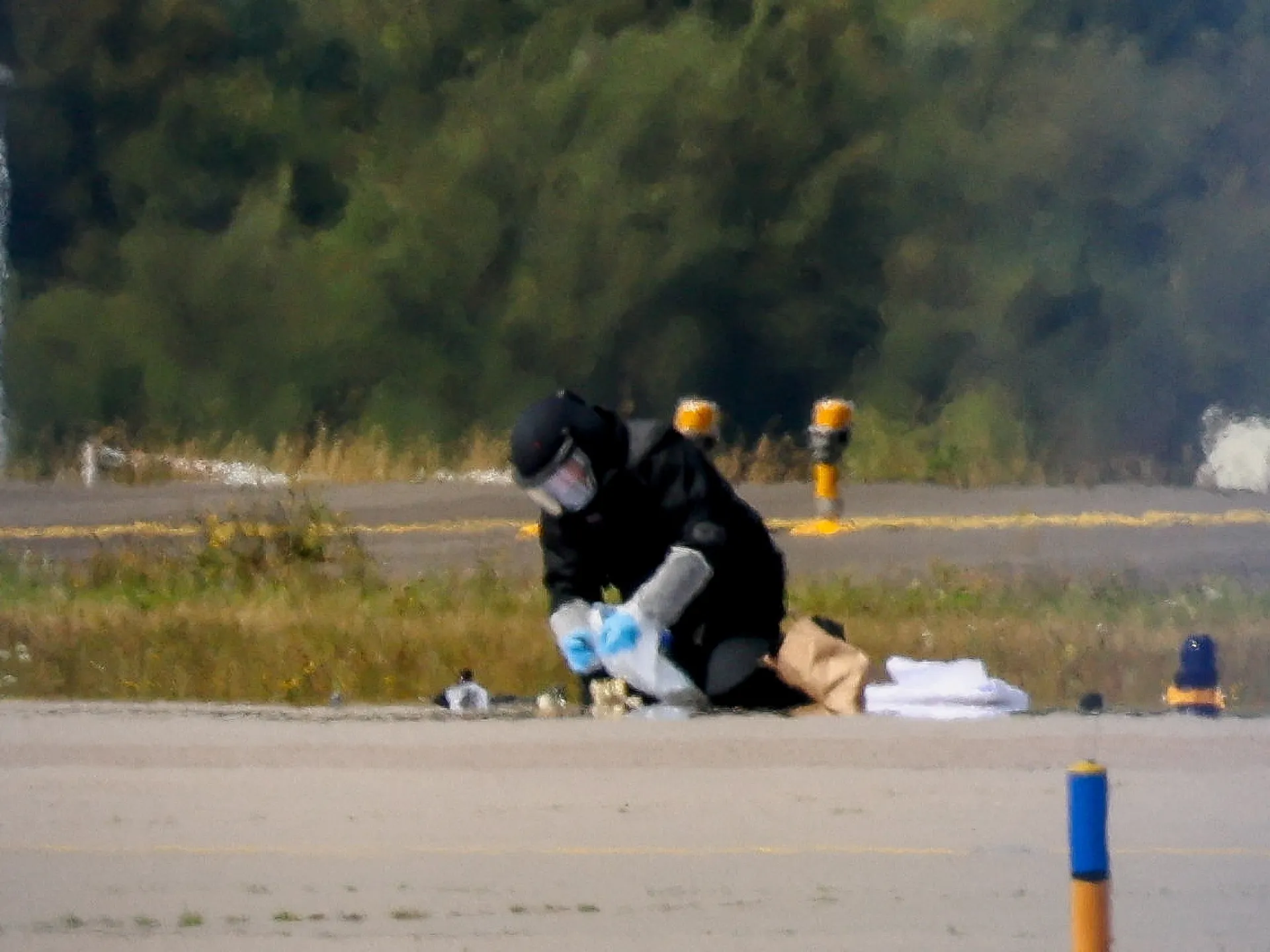
The minister’s assessment follows the discovery of an explosive-laden drone at Leipzig/Halle Airport in eastern Germany on Tuesday. While some German lawmakers have pointed to Russia, citing its ongoing full-scale invasion of Ukraine since 2022 as context for the heightened tensions, Dobrindt stopped short of assigning blame. The Russian embassy in Berlin responded on Friday by dismissing the incident at the airport as a fabricated provocation, asserting it was part of a pattern of unsubstantiated accusations against Moscow.
In response to the escalating security landscape, the German government is moving to significantly bolster its defensive capabilities. According to reports citing government sources, the Interior Ministry intends to double the federal anti-drone expert team from 150 to 300 personnel. Additionally, the network of operational bases dedicated to counter-drone efforts is set to expand from four to eight locations, a move aimed at strengthening the country’s ability to detect and neutralise aerial threats.
The warning comes amidst a series of suspicious drone activities across Europe. On Thursday night, two drones were spotted over a military base in Mechernich, located in the western state of North Rhine-Westphalia. Separately, on Saturday, a drone exploded near the Trans-Balkan gas pipeline in Bulgaria. Bulgarian authorities stated there was no reason to suspect the incident was intentional, while Ukraine confirmed it was assisting Bulgarian officials in investigating the circumstances.
These incidents have reignited concerns that the conflict in Ukraine is increasingly spilling over into neighbouring NATO states. While NATO and European Union officials have previously attributed similar drone sightings to Russia, Moscow has consistently rejected all such allegations. The German government’s decision to expand its institutional capacity reflects a broader shift towards treating hybrid threats as a persistent governance challenge rather than isolated security breaches.