Germany admits UNSC bid failure linked to Israel policy
Officials acknowledge international opposition likely drove the result, underscoring the governance costs of current foreign policy alignment.
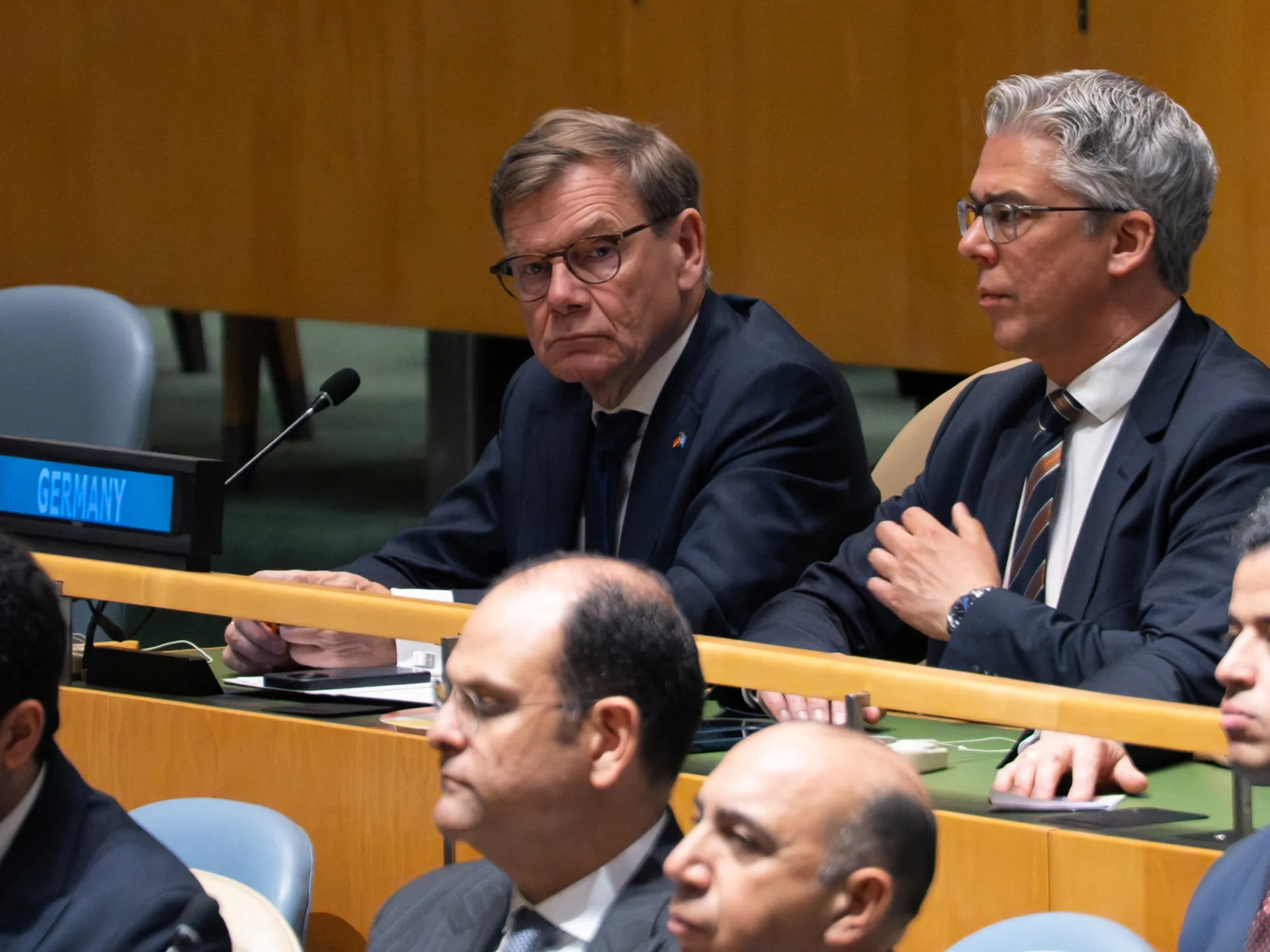
Germany has suffered a historic diplomatic setback after failing to secure a non-permanent seat on the United Nations Security Council for the first time in its history. The outcome signals a significant shift in the country’s standing within multilateral institutions and highlights the tangible political costs associated with its current foreign policy trajectory.
In the aftermath of the vote, German officials publicly acknowledged that the defeat was likely attributable to international opposition stemming from Berlin’s support for Israel. This admission marks a rare instance of a government explicitly linking an electoral loss at the UN to specific geopolitical alignments, suggesting that the stance on Middle East policy has become a decisive factor in diplomatic negotiations.
The United Nations Security Council comprises 15 members, including five permanent members and ten non-permanent members elected for two-year terms. The failure to win one of the ten rotating seats represents an anomaly for Germany, which has previously maintained a consistent record of securing these positions through broad consensus among member states.
While the specific vote count and the identities of countries that voted against the German candidate remain unconfirmed in available reporting, the official admission provides clarity on the primary driver of the loss. The structured nature of the Security Council elections typically relies on regional group dynamics, yet in this instance, the bilateral and regional tensions surrounding Israel appear to have overridden traditional diplomatic courtesies.
This event underscores the increasing complexity of multilateral diplomacy, where national foreign policy decisions can directly impact institutional representation. The German government’s willingness to attribute the loss to its support for Israel indicates a recognition that maintaining influence in global governance requires careful calibration of international alliances and perceptions.