German regional elections deepen pressure on Merz as AfD advances
Preliminary results show severe CDU losses in Mecklenburg-Western Pomerania and Berlin, while coalition-building becomes more complex.
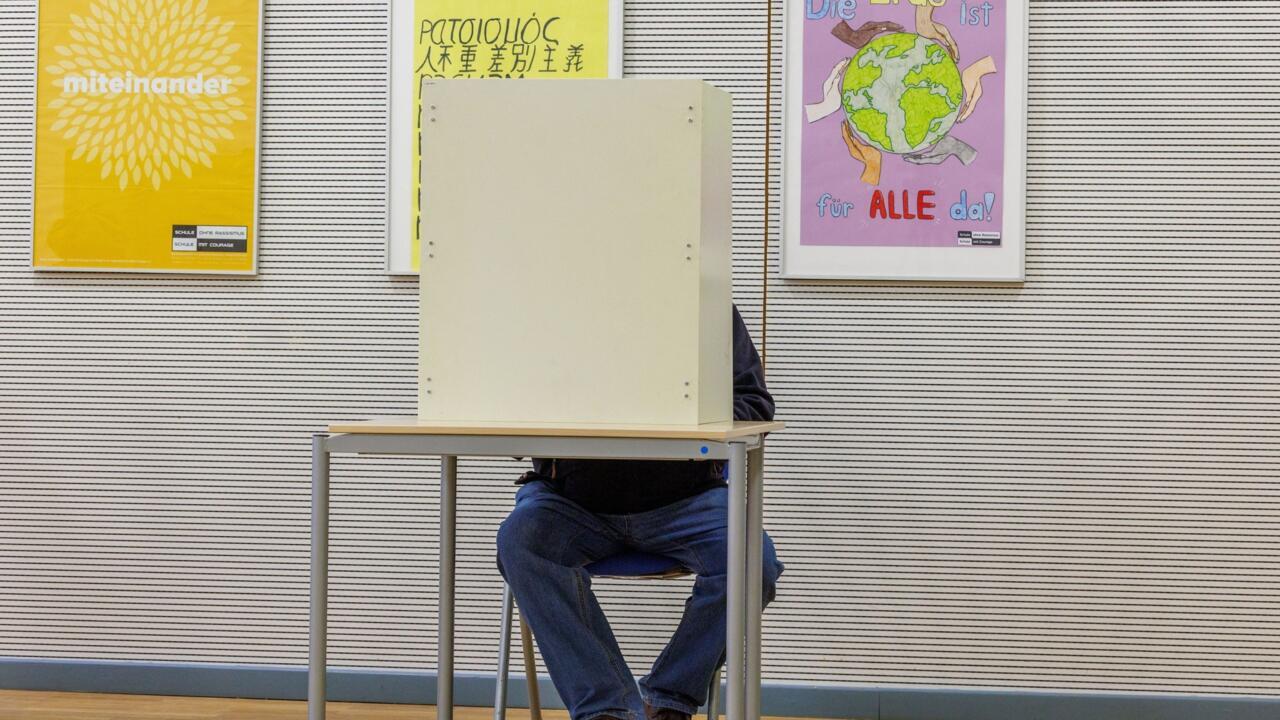
Preliminary results from regional elections in Mecklenburg-Western Pomerania and Berlin have dealt a major setback to Chancellor Friedrich Merz and his Christian Democratic Union (CDU). The far-right Alternative for Germany (AfD) emerged as the strongest party in Mecklenburg-Western Pomerania, while Die Linke led in Berlin.
Merz described the result as a “disaster” as the CDU recorded its worst result in a state election in Mecklenburg-Western Pomerania since 1949. The outcome has intensified pressure on his leadership and raised questions about the party’s ability to deliver promised reforms.
The AfD more than doubled its 2021 result in Mecklenburg-Western Pomerania and also made significant gains in Berlin, where it finished third. The party is the strongest nationally in polling at 29 per cent, according to France 24, but mainstream parties have generally maintained a “firewall” against forming governments with it.
That approach is likely to complicate coalition negotiations. Preliminary results indicate that Mecklenburg-Western Pomerania may require a three-party government, while possible governing combinations are also being considered in Berlin. In Mecklenburg-Western Pomerania, the Social Democratic Party could add the Greens to its existing coalition with Die Linke. In Berlin, Die Linke could seek a majority with the SPD and Greens.
Economic stagnation, high living costs, rising fuel prices and industrial job losses shaped the campaigns. Die Linke gained support with promises on affordable housing, rent reductions and restrictions on holiday rentals in Berlin. Preliminary infratest dimap data cited by France 24 indicated that Die Linke also drew voters from the CDU, SPD and Greens.