Geopolitical instability in the Middle East triggers structural shift in global energy security
As tensions between the US, Israel and Iran escalate, governments are accelerating the transition to renewables to mitigate reliance on volatile chokepoints like the Strait of Hormuz.
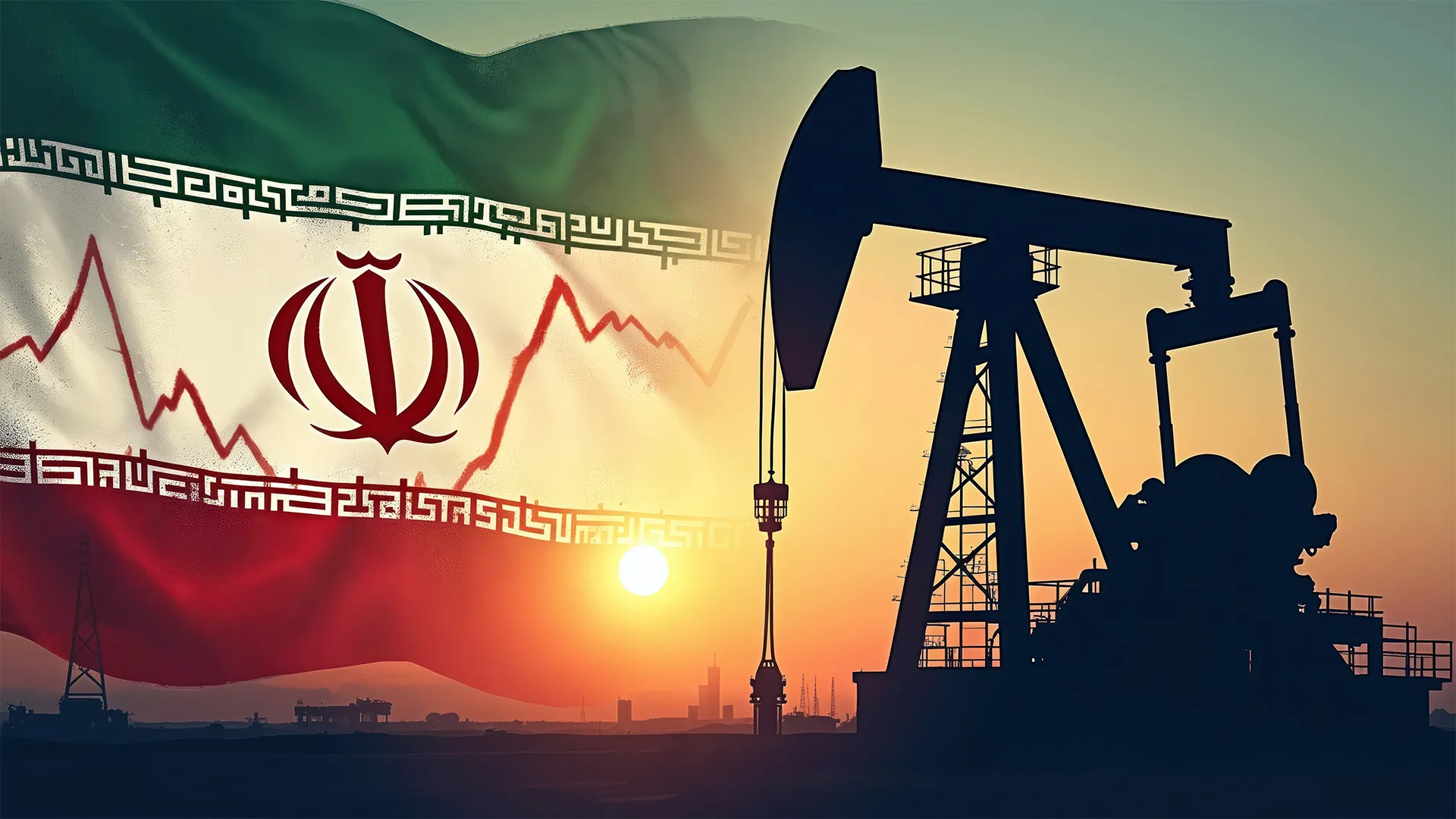
The ongoing conflict between the United States and Israel against Iran is exerting significant pressure on OPEC, driving a fundamental restructuring of the global energy landscape. This geopolitical friction has forced governments worldwide to critically reassess their supply chains and dependence on volatile regions, particularly as disruptions to the Strait of Hormuz threaten critical energy flows.
Market indicators reflect this heightened uncertainty, with Brent crude prices surging to a four-year high. This price spike coincides with signals from the United States regarding a potential prolonged blockade of the Strait of Hormuz, a critical chokepoint that necessitates an urgent rethink of global supply logistics. The resulting volatility has pushed fossil fuel costs to levels not seen since the beginning of the Ukraine war, creating a precarious environment for traditional energy markets.
In response to these shifting dynamics, the United Arab Emirates has officially exited OPEC. This move underscores a broader trend where nations are seeking to insulate themselves from the economic shocks associated with regional warfare. Simultaneously, United States energy exports have reached record highs, altering the balance of power within the global oil trade as the region attempts to navigate the fallout of the Iran war.
Amidst these market fluctuations, the urgency to diversify energy sources has accelerated the global adoption of solar and wind power. Rising fossil fuel costs and the risk of supply chain bottlenecks are making renewable infrastructure increasingly attractive to policymakers. While these technologies offer resilience against geopolitical instability once installed, their deployment remains subject to weather dependencies that cannot be ignored.
China is identified as a key driver in this transition, pushing the global community towards renewables to reduce vulnerability to external shocks. However, the specific duration and extent of the US blockade remain undefined, with indications suggesting it could persist for several months. This uncertainty complicates long-term planning and highlights the fragility of current energy security strategies reliant on stable maritime routes.
The precise catalysts for recent market inefficiencies are not fully detailed, leaving it unclear to what extent price shocks are driven by geopolitical tensions versus supply chain bottlenecks or demand-side shifts. As the world adjusts to the disruption in the Strait of Hormuz, the interplay between institutional policy and market forces will continue to define the next phase of the global energy order.