Geopolitical friction drives US inflation to three-year high as energy costs surge
The Bureau of Labor Statistics reports the annual rate has climbed to 3.8 per cent, prompting economists to predict the Federal Reserve will hold interest rates steady through the year.
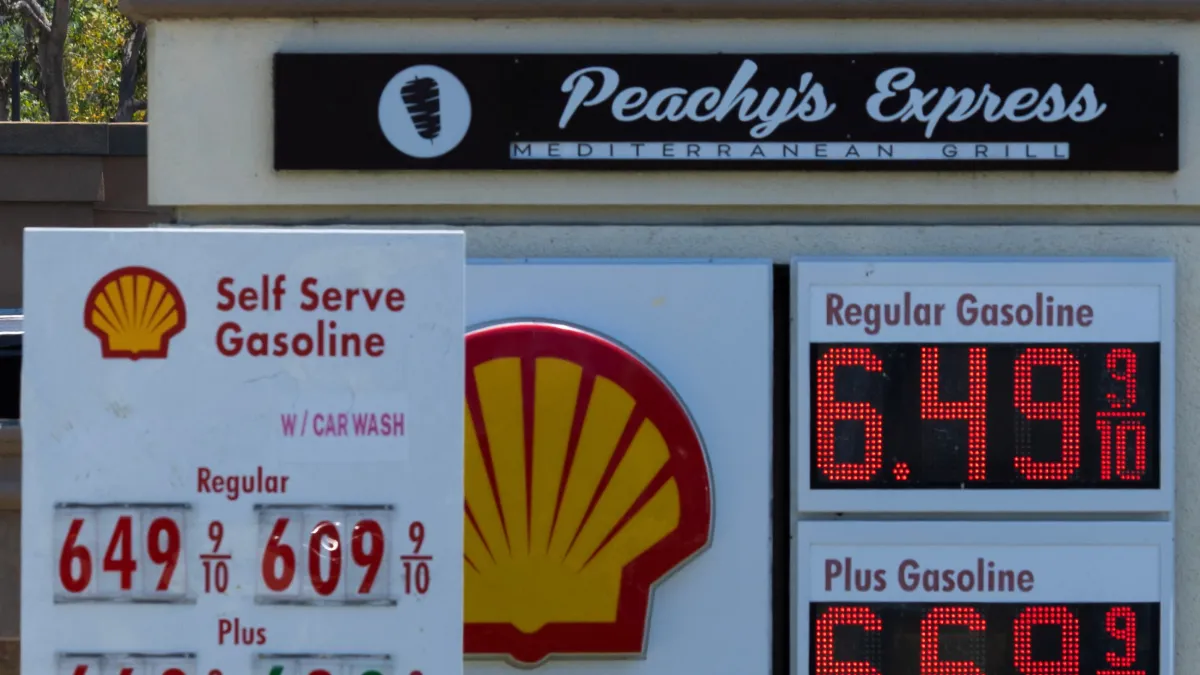
US consumer prices increased by 0.6 per cent in April, marking the second consecutive month of rises and the largest annual jump since May 2023. The annual inflation rate now stands at 3.8 per cent, a figure driven primarily by a 17.9 per cent surge in energy costs and a 28.4 per cent increase in petrol prices. The Bureau of Labor Statistics attributes this sharp spike directly to the ongoing conflict between the United States and Israel against Iran.
The average price for a gallon of petrol has climbed to $4.50, up significantly from $2.98 in late February. This dramatic rise in fuel costs has rippled through the broader economy, with the American Automobile Association noting the steep increase in daily petrol prices. The impact on transport has been immediate and severe; airfares rose by 2.8 per cent month-on-month as carriers sought to cover rising jet fuel expenses. Spirit Airlines cited these heightened fuel costs resulting from recent geopolitical events as a reason for ceasing operations earlier in the month.
Grocery prices have also climbed, with the cost of meat, poultry, fish, and eggs rising by 2.7 per cent compared to the previous month. Specific items saw particularly sharp annual increases, with tomatoes jumping by nearly 40 per cent and coffee prices rising by 18.5 per cent. Conversely, not all sectors experienced hikes; healthcare costs decreased, with prescription drug prices falling by 0.5 per cent year-on-year, a decline the White House has highlighted as a result of specific price transparency initiatives.
Wall Street markets reacted negatively to the inflation data, with the Nasdaq, Dow Jones Industrial Average, and S&P 500 all falling in midday trading. While the White House suggests the price hikes may be temporary disruptions linked to Operation Epic Fury, economists predict inflation will remain elevated through the year. The Federal Reserve is expected to maintain its benchmark interest rate between 3.5 and 3.75 per cent, with the next anticipated rate cut now pushed to December rather than June.
The data arrives as a significant transition of power occurs at the central bank, with Jerome Powell's term ending this week and Kevin Warsh set to replace him. Incoming Chair Warsh faces pressure to maintain a firm stance given the sticky inflation and stable job market. Michael Pearce, chief US economist at Oxford Economics, noted that a firmer economy and persistent price pressures will keep the Federal Reserve on a prolonged hold, effectively ruling out earlier rate cuts.