Geopolitical conflicts are reshaping global shipping security as maritime laws struggle to adapt
From the Strait of Hormuz to the Black Sea, experts question whether the seas have become a new global battleground
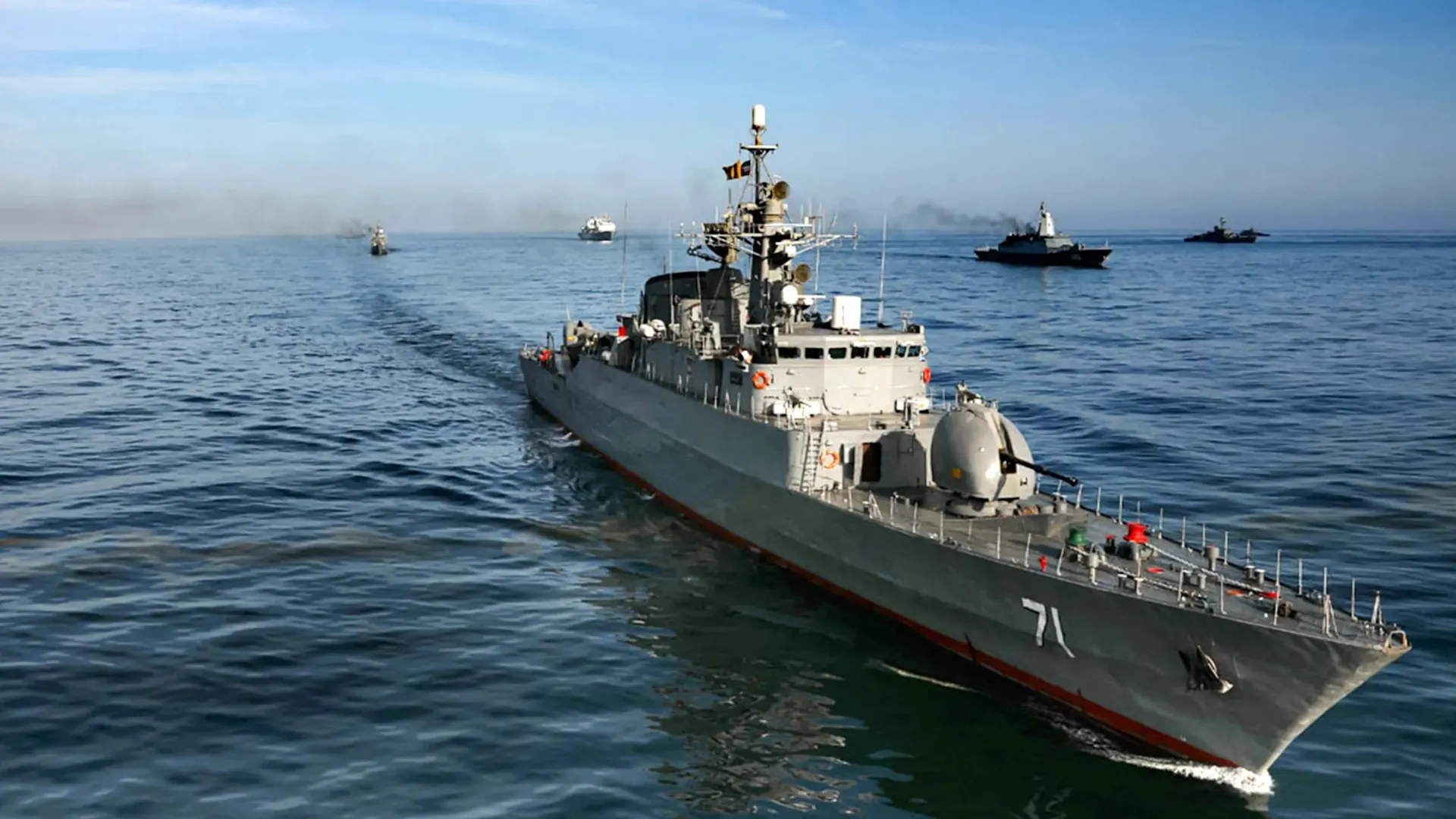
Wars and territorial disputes are fundamentally altering the landscape of global shipping, placing maritime traffic under increasing threat across critical international routes. From the Strait of Hormuz to the Panama Canal, and extending from the Red Sea to the Black Sea, the volatility introduced by active conflict is challenging the stability of established trade corridors.
This shifting geopolitical reality has prompted a serious re-evaluation of the legal frameworks designed to govern the seas. Experts argue that decades-old maritime laws are failing to secure these vital arteries against the specific security threats posed by modern warfare and territorial friction. The consensus among analysts is that the current regulatory environment is insufficient to address the scale and nature of the risks now facing global commerce.
A panel of senior academics has identified a distinct shift in how maritime traffic is perceived, with shipping increasingly viewed as a potential global battleground. Rockford Weitz, director of the Fletcher Studies programme at Tufts University, highlights that the intersection of war and shipping rules requires a more robust approach than what is currently available. His analysis suggests that the traditional separation between commercial transport and military conflict is eroding in these contested zones.
George Theocharidis, professor of maritime law and policy at the World Maritime University, provides further insight into the legal deficiencies driving this concern. He notes that the existing statutes governing the seas were drafted in an era of different geopolitical dynamics and are now ill-equipped to handle the volatility introduced by active wars. Theocharidis emphasises that without a modernisation of these legal instruments, the international community lacks the necessary tools to secure major shipping lanes effectively.
Stavros Karamperidis, associate professor in maritime economics at Plymouth University, contributes an economic perspective to the debate regarding the implications of these disruptions. His analysis underscores the systemic inability of current regulations to adapt to new security threats, raising questions about the resilience of global supply chains. The discussion surrounding his work suggests that the failure to update maritime law poses significant economic risks beyond mere security concerns.
The debate over whether shipping is definitively becoming a new global battleground remains a subject of expert analysis rather than a confirmed fact. However, the identification of specific chokepoints under threat from the Strait of Hormuz to the Black Sea indicates a clear trend that demands immediate policy attention. As territorial disputes continue to rewrite the rules of engagement, the adequacy of existing maritime law is being scrutinised with increasing urgency.