Gene-edited pig kidney functions for record 285 days in US patient
A woman at Massachusetts General Hospital has maintained a functioning transplanted pig kidney for 285 days without dialysis, surpassing the previous record and highlighting the potential of xenotransplantation as a bridge to human donor organs.
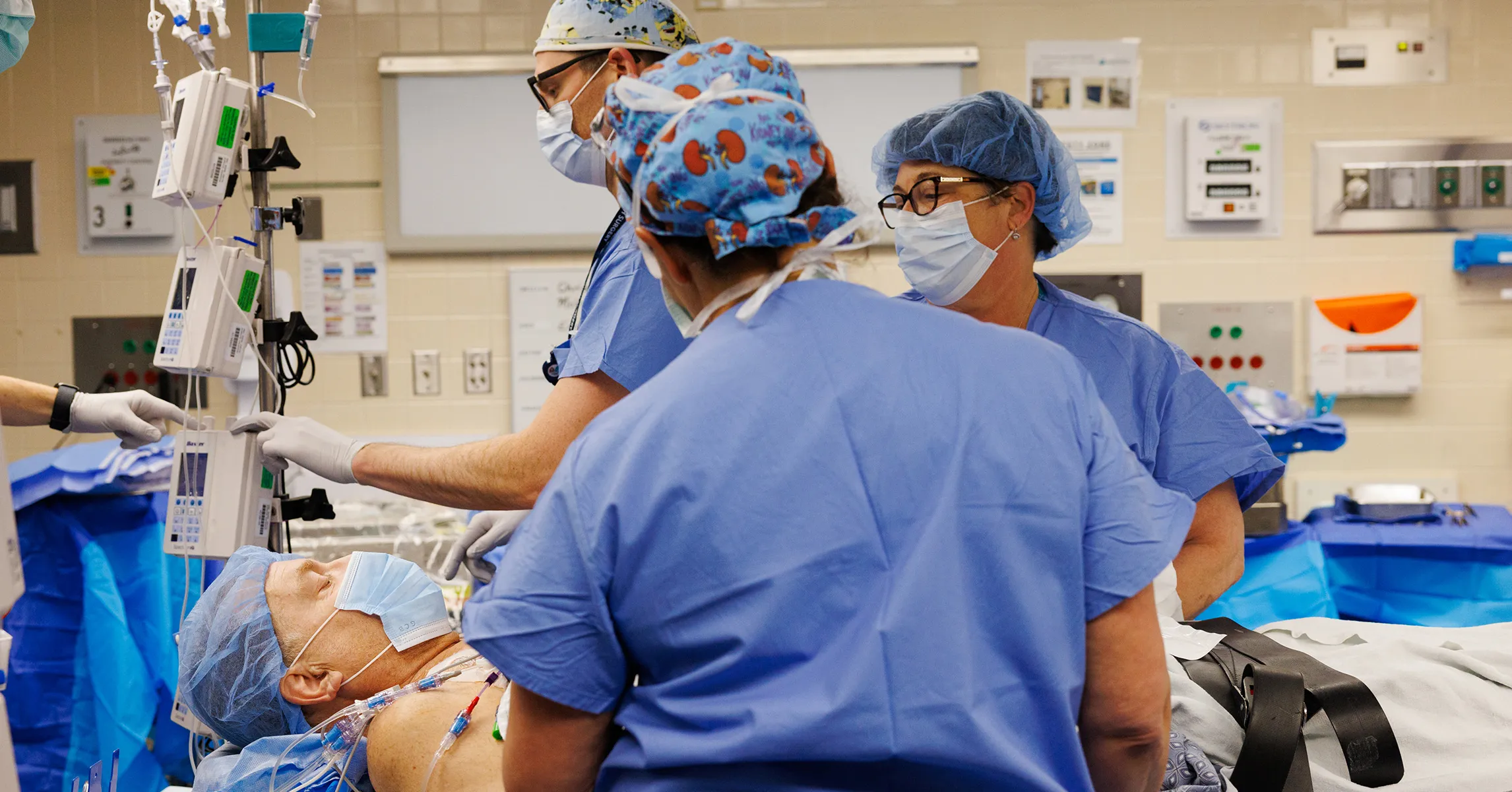
A female patient at Massachusetts General Hospital has set a new record by maintaining a functioning transplanted pig kidney for 285 days without requiring dialysis. The woman, who is the fifth person to receive an organ from biotech firm eGenesis via an expanded access pathway, underwent the procedure on 22 November last year. The achievement marks a significant milestone in the use of gene-edited animal organs to treat patients with end-stage kidney failure.
The organ was developed by eGenesis using Crispr gene editing to modify pig kidneys for human transplantation. The company removed specific pig genes that could trigger immune rejection and added a handful of human genes to reduce the risk of viral transmission. This process aims to make the organs more compatible with human recipients, offering a viable alternative to the prolonged waiting periods for human donor kidneys.
This new record surpasses the previous benchmark of 271 days, set by Tim Andrews. Andrews received a pig kidney in January 2025, but the organ eventually failed in October of that year due to thrombotic microangiopathy, a condition characterised by tiny blood clots. Although Andrews returned to dialysis, he subsequently received a human kidney transplant in January this year, demonstrating the potential of pig kidneys to serve as a temporary bridge.
A paper published in The Lancet details the surgical team’s analysis of Andrews’ case and informs current treatment protocols. Based on the findings, the team is adjusting immunosuppressant medication regimens for future recipients to prevent similar complications. eGenesis has also confirmed that a second patient successfully received a human transplant after using a pig kidney for eight months, further validating the bridging strategy.
The urgency for such alternatives is underscored by the significant shortage of human donor organs in the United States. More than 95,000 people are currently waiting for a kidney, while fewer than 28,000 transplants were performed in 2025. Most patients wait three to five years for a human organ, during which time they often rely on dialysis. This treatment typically involves four-hour sessions three times a week and can cause cumulative damage to blood vessels over time.
Mike Curtis, CEO of eGenesis, noted that patients’ health often deteriorates while on dialysis, and their odds of securing a human transplant do not improve fast enough to match their declining condition. The company aims to extend the functionality of transplanted pig kidneys to one year. In the interim, the Food and Drug Administration has approved a formal trial for up to 33 patients aged 50 to 70, scheduled to commence in 2027, while eGenesis continues to perform transplants under the expanded access pathway.