Gaza’s diabetes crisis deepens as medical infrastructure collapses under war shortages
Specialists warn that deteriorating medication quality and restricted supply chains have turned routine disease management into a life-threatening gamble for thousands in the enclave.
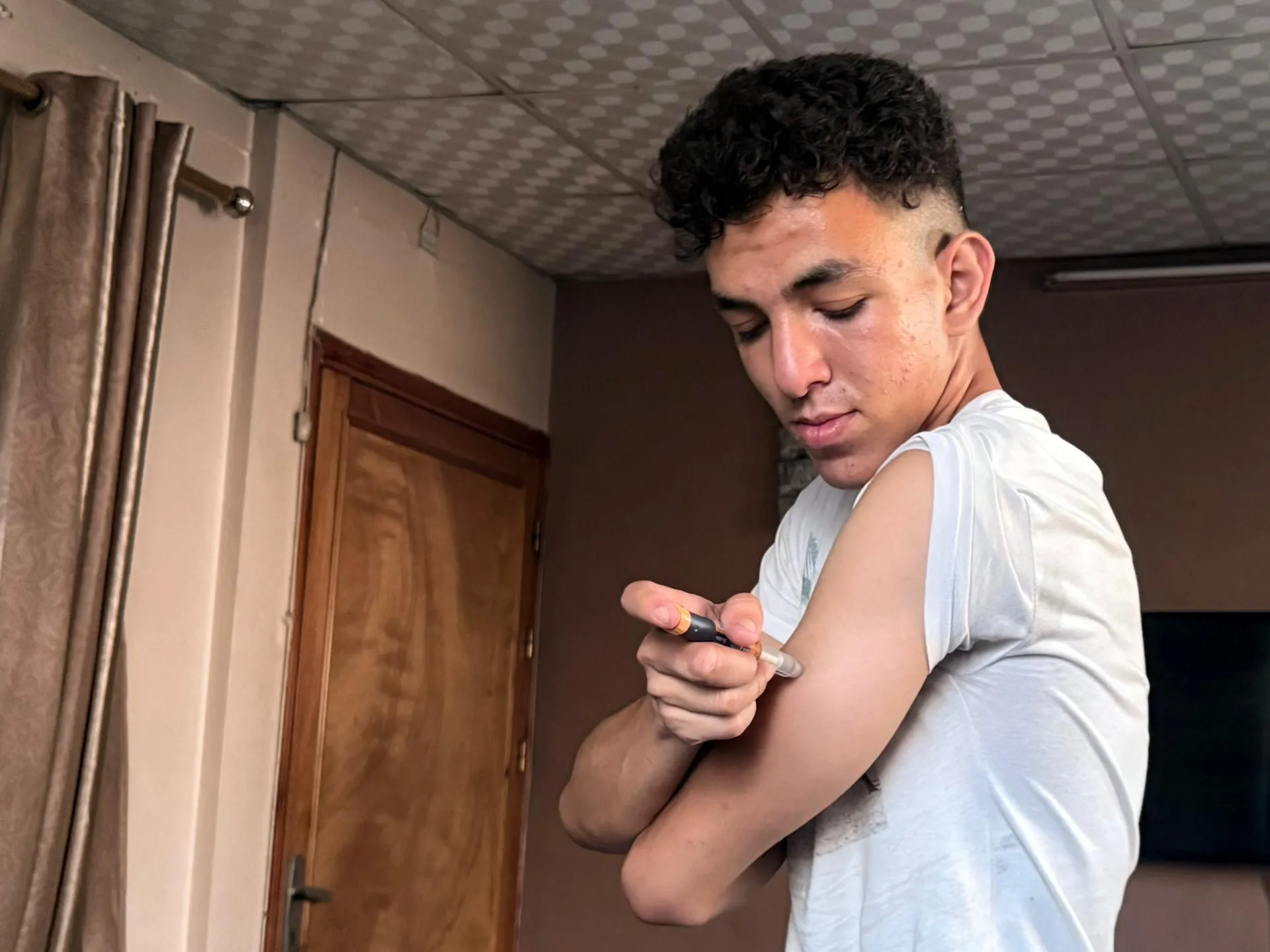
The ongoing conflict in Gaza has precipitated a severe humanitarian and medical crisis, particularly for the estimated 70,000 to 80,000 diabetes patients in the territory. The collapse of medical follow-up services, combined with restricted access to supplies, has created a "medical disaster" where treatment often relies on guesswork. Critical shortages of insulin, glucose meters, and test strips have forced patients to manage Type 1 diabetes without reliable monitoring or consistent medication.
Hamza al-Ghazali, a 20-year-old patient from the Zeitoun neighborhood, exemplifies the daily struggle faced by residents. Pre-war, insulin pens cost between 25 and 35 shekels ($8.5–$12). Following the tightening of restrictions on medical supplies in October 2023, prices have surged to 75–100 shekels ($25–$34). Al-Ghazali requires six to seven pens monthly and has been forced to extend the use of each pen to cope with the dual pressures of cost and scarcity.
The shortage extends beyond medication to essential monitoring equipment. While glucose meters cost 250–300 shekels ($85–$120), the critical deficit of test strips renders the devices useless. Al-Ghazali estimates that over 80 percent of diabetes patients in his area cannot test their blood sugar regularly. This lack of data forces patients to rely on physical symptoms rather than clinical readings, a practice described by patients as turning treatment into daily guesswork.
Compounding the logistical failure are issues regarding medication integrity. The Palestinian Ministry of Health reports that deteriorating insulin quality, improper storage due to frequent power outages, and the expiration of available stock are reducing medication effectiveness. Dr Adli al-Ghouti, an endocrinology specialist, warns that expired or improperly stored insulin can create a false sense of security while blood sugar levels remain uncontrolled, potentially leading to severe complications such as diabetic ketoacidosis.
The human cost of these systemic failures is stark. Dr al-Ghouti has identified approximately 2,500 children in Gaza living with Type 1 diabetes in a highly critical condition. Patients face a dual threat of hyperglycaemia from eating without sufficient insulin and hypoglycaemia from reducing food intake to conserve medication, a precarious balance that has become unsustainable under current blockade conditions.