Gaza weddings stripped of joy as economic collapse forces couples into tent ceremonies
Unemployment at 80% and poverty at 93% mean basic items like tents and makeshift bathrooms consume entire incomes, leaving families unable to afford furniture or dresses.
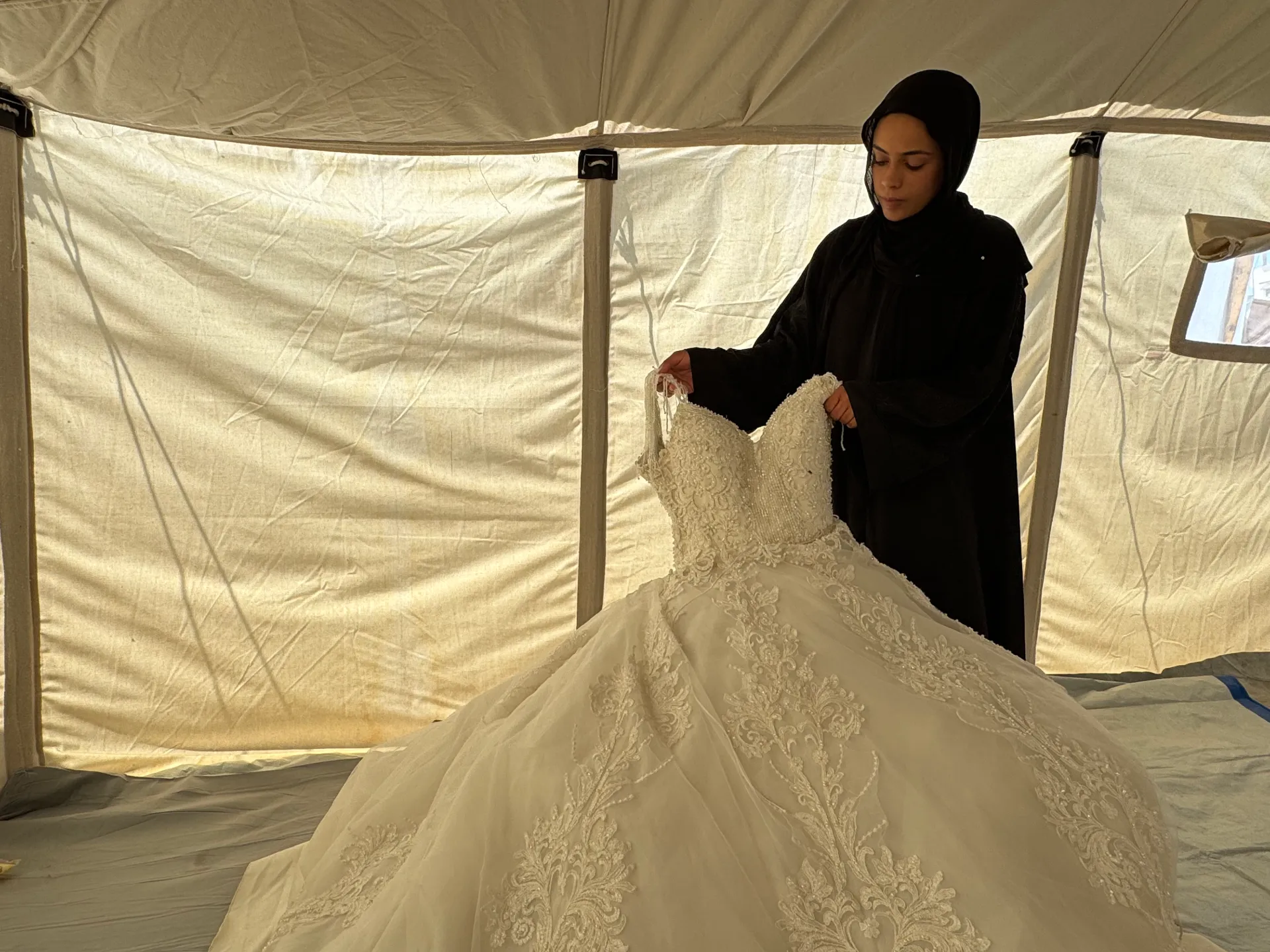
In Deir el-Balah, the traditional markers of a wedding in Gaza have been reduced to makeshift infrastructure as the region grapples with an unprecedented economic collapse. Couples are now compelled to hold ceremonies in tents, a stark departure from previous norms, driven by soaring prices and the displacement caused by the ongoing war. For groom Mohammed Ahliwat and bride Saja al-Masri, the cost of basic necessities such as tents, wood, and portable bathrooms has consumed their entire income, stripping the event of any celebratory atmosphere.
The financial burden on young men, who traditionally shoulder the majority of wedding costs in Palestinian culture, has become insurmountable. Mohammed, who sustains himself through odd jobs selling bread and repairing bicycles, reports that his earnings barely cover food and water. He notes that a simple tent cost 1,500 shekels, wood 2,500 shekels, and a makeshift bathroom 3,000 shekels, while renting a small venue previously used as a cafe required another 1,500 shekels. These figures represent a fraction of what a standard wedding hall would cost, yet they constitute the entirety of his available funds.
The impact of inflation extends to personal attire and furnishings, further eroding the dignity of the occasion. Saja al-Masri was forced to wear a worn, torn, and outdated dress borrowed from an acquaintance because renting a suitable gown costs over 2,000 shekels for a single night. Similarly, bedroom furniture sets have risen dramatically in price, now costing between 12,000 and 20,000 shekels compared to around 5,000 shekels before the conflict, leaving many families unable to provide basic furniture for their new households.
Beauty services and essential household goods have also become prohibitive expenses. Saja explains that beauty salons charge nearly 700 shekels for preparation, citing high costs for cosmetics, electricity, generators, and fuel. The scarcity of goods in the market has forced families to settle for mattresses on the ground rather than beds, transforming what should be a moment of joy into a heavy confrontation with harsh reality.
The bride's mother, Samira al-Masri, has seen this reality repeat across her family, having married off four daughters during the war, all of whom started their married lives in tents with almost nothing. Samira describes each wedding as a tragedy, noting the absence of proper clothes, wardrobes, or beds, and expressing deep sorrow at being unable to give her daughters the dignified start they dreamed of.
With unemployment standing at 80 percent and poverty rates at 93 percent according to the Gaza Ministry of Labour, the situation shows no immediate signs of improvement. Families describe moving from one tent to another, enduring a cycle of hardship where the simplest of weddings are barely affordable, leaving the majority of Palestinians displaced and struggling to survive.