Gaza smokers resort to toxic molokhia cigarettes as tobacco prices soar
Medical professionals in Gaza warn that dried molokhia leaves mixed with liquid nicotine and industrial substances are causing respiratory distress and fatalities, yet economic necessity and addiction compel users to continue the practice.
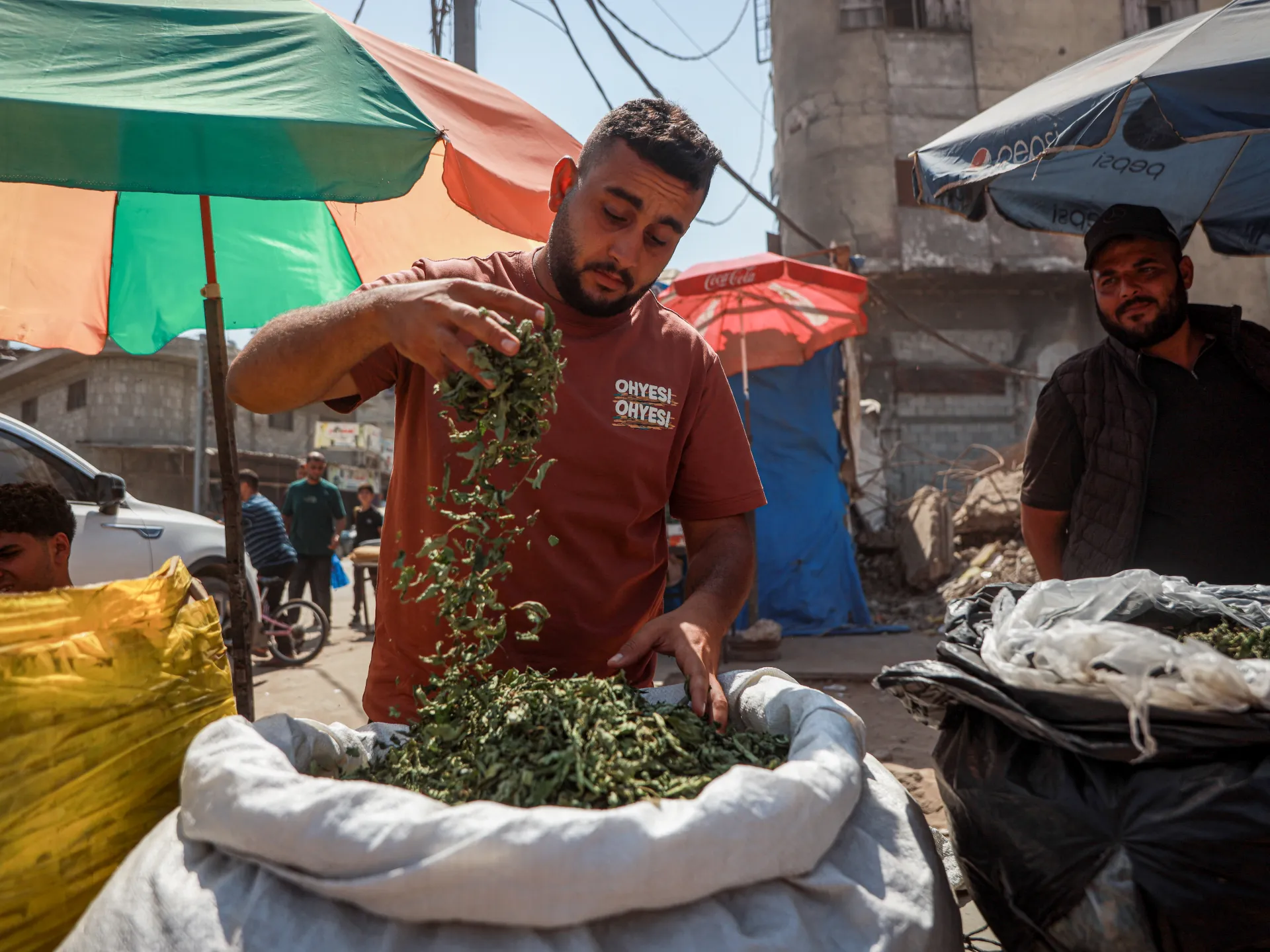
Smokers in Gaza have increasingly turned to homemade cigarettes comprising dried molokhia leaves and liquid nicotine as a substitute for traditional tobacco, driven by soaring prices and import restrictions. The shift has become widespread as a makeshift solution to scarcity, with prices for traditional tobacco reaching up to 600 shekels ($205) per pack due to inflation and the ongoing blockade.
Medical professionals, including Dr Ahmed Saeed al-Jadba, an ear, nose and throat specialist, warn that the mixture poses severe health risks, including respiratory distress, pre-cancerous lesions, and potential cancer. Dr al-Jadba states that burning molokhia may be more dangerous than traditional tobacco due to the release of toxic gases like carbon monoxide and tar, particularly when industrial substances such as pest-control agents are added.
Users cite addiction, economic necessity, and psychological stress as primary reasons for continuing the practice despite known dangers. Alaa, a 27-year-old smoker in Gaza City, described the shift as a necessity rather than a choice, noting that a single cigarette now costs 100 shekels. He recalled a severe incident where liquid nicotine leaked from a syringe in his pocket, causing burns and unconsciousness, yet he continues to smoke to relieve stress in difficult conditions.
There are reports of liquid nicotine causing severe skin burns, tissue penetration, and unconsciousness, with at least two reported deaths in local markets due to improper handling or consumption. Abdul Karim Heles, a vendor in Shujayea, explained that molokhia leaves are preferred by users because they hold the liquid nicotine substance better than other available herbs, despite the rudimentary and unsafe preparation methods.
The ceasefire, which began in October, has not resulted in the lifting of restrictions on tobacco imports into Gaza, contributing to the continued scarcity and price inflation. Hassan Hujan, another user, reported waking daily with shortness of breath and dark phlegm, but stated that the lack of affordable cigarettes and the psychological pressure of displacement make quitting nearly impossible for many residents.