Gaza oxygen shortages put dependent patients at risk
Gaza’s Ministry of Health says most oxygen-generation stations and cylinder-filling devices are no longer operational, forcing hospitals to conserve supplies for critical units.
Gaza is facing a reported shortage of medical oxygen, with oxygen-dependent patients struggling to secure replacement cylinders as the enclave’s health infrastructure deteriorates.
The Gaza Ministry of Health said on 15 August that 12 of 34 oxygen-generation stations and four of 30 cylinder-filling devices remained operational. The ministry said the equipment still in service was overworked and experiencing repeated mechanical failures.
Some hospitals and health authorities have halted external cylinder-refilling services for patients receiving care at home or in displacement camps. The reported decision is intended to preserve supplies for intensive care units, neonatal units and operating rooms.
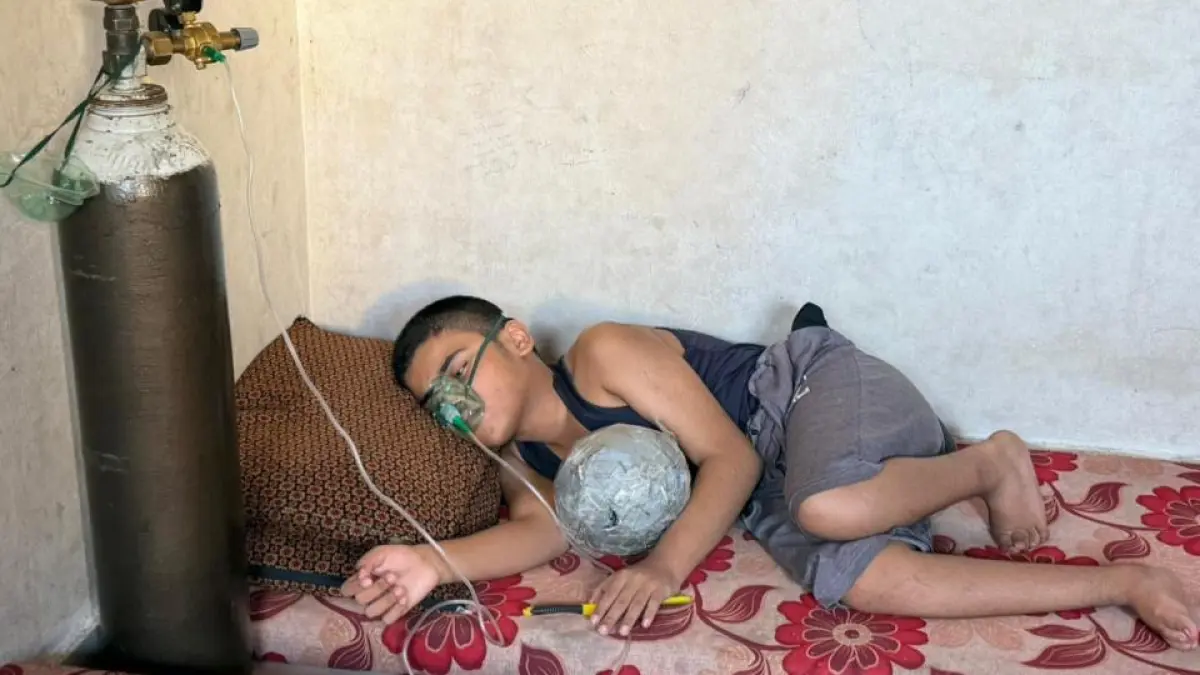
In az-Zuwayda, a 14-year-old boy with a congenital heart defect, underdeveloped lungs, hydrocephalus and autism experienced worsening breathing after his oxygen cylinder emptied overnight, according to his family. He previously received specialised treatment at a hospital in Israel, but the family now relies on Gaza’s health system.
Gaza health authorities attribute the wider equipment shortage to restrictions on the entry of spare parts, lubricants, oxygen cylinders and related devices. Those claims, including the characterisation of the restrictions as systematic, are not independently verified in the material.
The United Nations estimates that about 350,000 people in Gaza live with chronic diseases whose treatment has been disrupted by the war. The health system is also reporting shortages of medicines and laboratory materials, alongside limited access to treatment outside the enclave.