Gaza Health Ministry Reports Tripled Miscarriage Rate Amid Collapsing Obstetric Care
Doctors cite displacement, malnutrition, and infrastructure destruction as primary drivers of a maternal health crisis that has left thousands of women delivering without medical support.
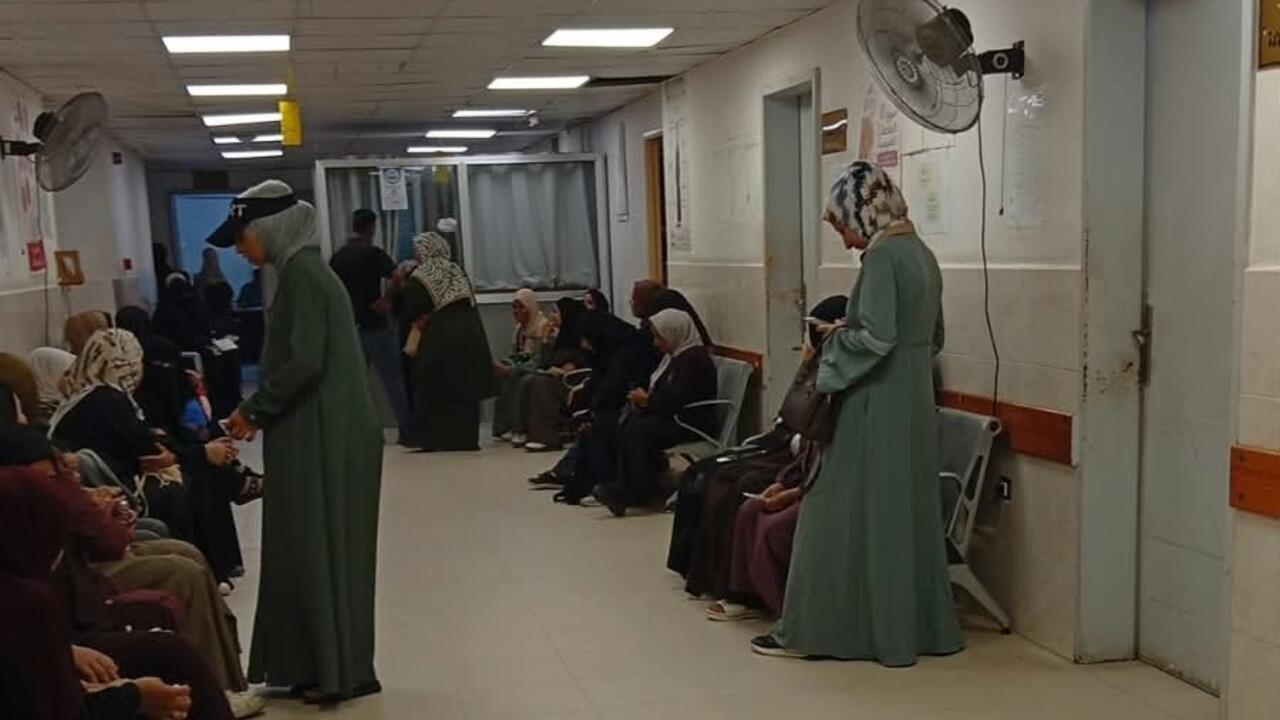
The Gaza Ministry of Health has recorded over 3,950 miscarriages between January and June 2026, a figure that has tripled compared to the previous six-month period. According to data reported by the United Nations Office for the Coordination of Humanitarian Affairs (OCHA), the rate of pregnancy loss now stands at approximately one miscarriage for every five live births, signalling a severe deterioration in maternal health outcomes across the territory.
Medical specialists attribute the surge in stillbirths and complications to a convergence of forced displacement, overcrowding, and acute psychological stress. Dr Rewaa Nasser, a gynaecologist and obstetrician at Al-Shifa Medical Complex, which relocated to Al-Helou International Hospital, stated that the accumulation of health and living conditions has made pregnancy significantly riskier. She noted that limited access to regular medical care has delayed the detection and treatment of critical conditions, leaving mothers and foetuses exposed to preventable dangers.
The clinical picture in Gaza is further complicated by widespread malnutrition and severe anaemia among pregnant women. Dr Nasser observed that while these complications are typically manageable through proper diet and prenatal supplements, access to such resources has become increasingly restricted. The United Nations Office for the Coordination of Humanitarian Affairs has documented that living conditions, including acute food insecurity and limited access to safe drinking water, are far from conducive to safe pregnancies.
Dr Shereen Al-Alawi, a specialist at the Nasser Medical Complex in Khan Younis, highlighted additional environmental factors contributing to the crisis. She pointed to research from 2011 to 2019 which documented negative impacts from prenatal exposure to war debris containing heavy metals, including increased rates of birth defects. Dr Al-Alawi suggested that substances from explosives and current conflict debris may be exacerbating miscarriage rates and birth defects in the current context.
The healthcare infrastructure is critically overwhelmed, with only 15% of facilities able to provide emergency obstetric and neonatal care as of March 2026. With a population of over 2 million including 50,000 pregnant women and only 2,000 hospital beds, the system is unable to cope with demand. Dr Al-Alawi reported that corridors are often packed with patients, forcing staff to deliver babies on hospital floors due to a lack of beds, while shortages of personnel, medicines, and equipment persist.
The inability to access medical facilities has dire consequences for those giving birth outside of health centres. The United Nations estimates that at least 15 women in Gaza give birth outside of any health facility every week, often without pain relief or medical supervision. Dr Al-Alawi warned that this lack of support increases the risks of haemorrhages, difficult deliveries, and neonatal hypoxia, sometimes leading to the death of the mother or newborn.
Since the ceasefire was announced on 10 October 2025, the Ministry of Health has reported 1,254 Palestinians killed and 4,121 wounded, adding to the pressure on remaining operating hospitals. A commission of inquiry mandated by the UN Human Rights Council found in March 2025 that Israeli authorities had partially destroyed the ability of Palestinians in Gaza to have children, citing measures intended to prevent births and conditions calculated to bring about physical destruction.