G7 trade ministers pledge cooperation on critical mineral supply chains
Trade ministers from the Group of 7 have formally agreed to work together to stabilise supply lines for essential materials, a diplomatic move widely interpreted as a strategic counter to China's dominance in the sector.
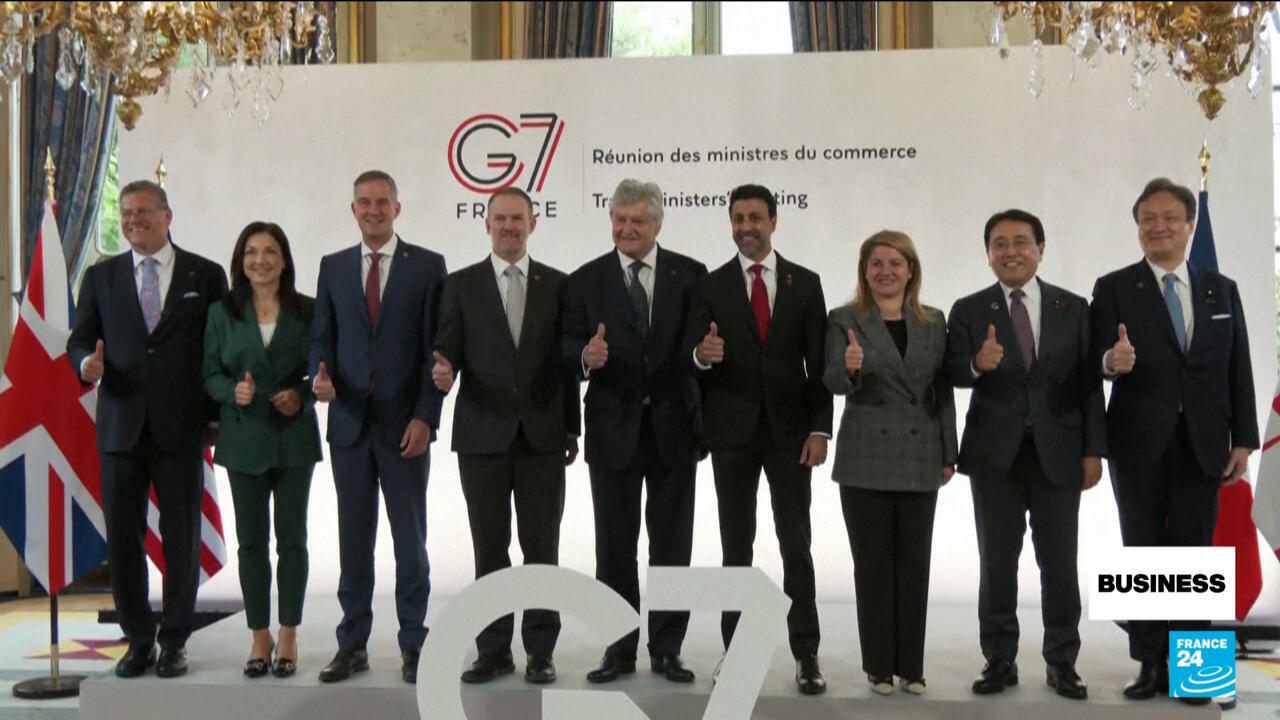
Trade ministers from the Group of 7 industrialised nations have convened to address the security of critical mineral supply chains, aiming to find common ground amidst rising geopolitical tensions and trade uncertainty. The ministers pledged to cooperate on this issue, marking a significant shift in how the bloc approaches resource security.
The initiative focuses on securing access to materials essential for green energy technologies and defence systems. These resources are increasingly viewed as a focal point of modern geopolitical strategy, with their availability directly impacting industrial capacity and national security.
The Group of 7, comprising Canada, France, Germany, Italy, Japan, the United Kingdom, and the United States, has framed this meeting as a direct response to current global instability. Previous reports have highlighted a significant reliance on non-G7 nations, particularly China, for the processing and supply of these vital commodities.
Consequently, the ministers' decision to formalise cooperation is characterised by media outlets as a clear swipe at China. This diplomatic stance suggests an intent to mitigate the risks associated with over-reliance on a single external supplier for critical industrial inputs.
However, the specific details regarding the agreed-upon mechanisms remain undefined in current reports. The source material does not provide information on financial commitments, the exact types of minerals covered, or the timeline for the implementation of these new cooperative arrangements.
While the pledge represents a unified front among the industrialised nations, the extent of consensus versus shared intent remains a point of observation for analysts. The move underscores the growing importance of supply chain resilience in the face of evolving international trade dynamics.