Fuel import bill surge tests Pakistan's economic resilience and political stability
A sharp rise in energy costs threatens to erase recent economic gains while opposition parties leverage the crisis to challenge the Sharif administration.
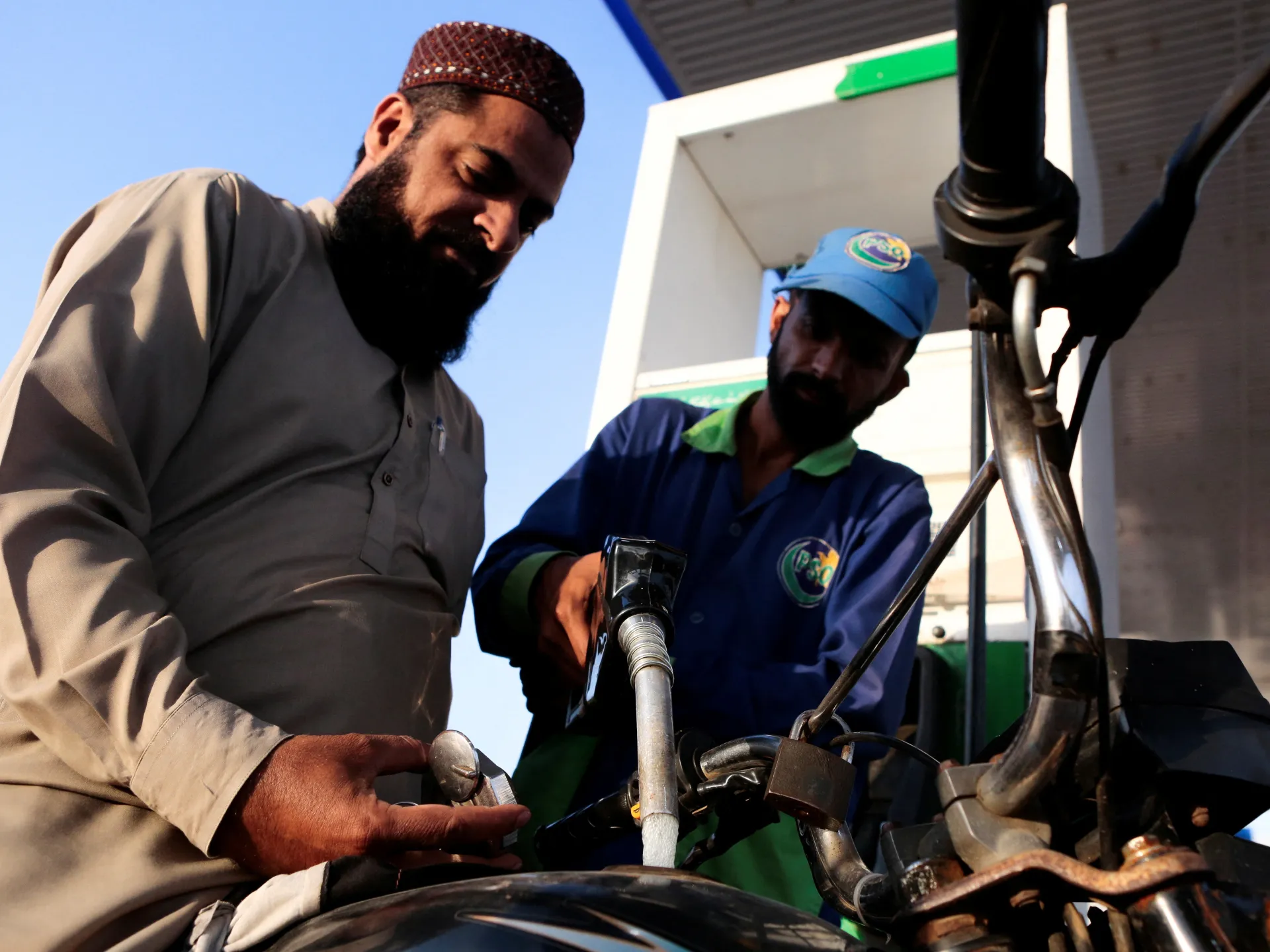
Pakistan's fuel import bill has escalated dramatically, rising from $300 million to $800 million in a development Prime Minister Shehbaz Sharif describes as erasing two years of economic progress. This surge, attributed to global energy volatility and supply chain disruptions linked to the prolonged conflict in the Middle East, is triggering a severe cost-of-living crisis that threatens to destabilise the government. The State Bank of Pakistan has responded to the intensified macroeconomic risks by raising its key policy rate by a full percentage point to 11.5 per cent.
The central bank cited the prolonged Middle East conflict as a primary driver for the decision, noting that global energy prices, freight charges, and insurance premiums remain significantly above pre-conflict levels. These supply chain disruptions have contributed to prevailing uncertainty, particularly for a nation heavily dependent on imported energy. The spike in fuel costs is expected to cascade through the economy, increasing transportation expenses and pushing up prices for agriculture, transport, and basic food items.
The government now faces a critical policy dilemma under strict International Monetary Fund supervision. Officials must choose between passing higher global oil prices directly to consumers, which risks triggering mass public outrage, or subsidising fuel, a move that would severely strain the budget. Previous attempts to mitigate costs through symbolic austerity measures, such as selling official cars, have been widely criticised by economists as ineffective in addressing the scale of the energy crisis.
Analysts warn that the country's precarious balance-of-payments position is being further weakened by the reliance on remittances from workers in Gulf states, which could be devastated if the conflict escalates. The State Bank of Pakistan highlighted that the current situation creates a state of absolute dependency where even a small fiscal tranche can determine the difference between economic survival and collapse. This fragility is compounded by years of high inflation, debt stress, and sluggish growth that have already placed significant pressure on the economy.
Political fallout is mounting as opposition parties actively leverage public anger over rising living costs to challenge the Sharif administration. Aslam Ghauri of the JUI-F party has accused the government of imposing an economic war on ordinary people, capitalising on the burden of soaring fuel costs. This political pressure follows a failed negotiation attempt in April when the government sought IMF approval for higher fuel subsidies and was rebuffed, leaving it with limited fiscal manoeuvring room.
Economists argue that conventional economic theory predicts such oil price hikes will trigger a chain reaction reducing purchasing power and increasing unemployment. With the government caught between these difficult options, the focus remains on whether it can navigate the political fallout without either igniting widespread protests or breaching the conditions set by the IMF.