French winemakers shift to August harvests as climate volatility reshapes European viticulture
From early harvesting and irrigation exemptions in France to emerging markets in Scandinavia, the European wine sector is navigating a complex policy and environmental landscape.
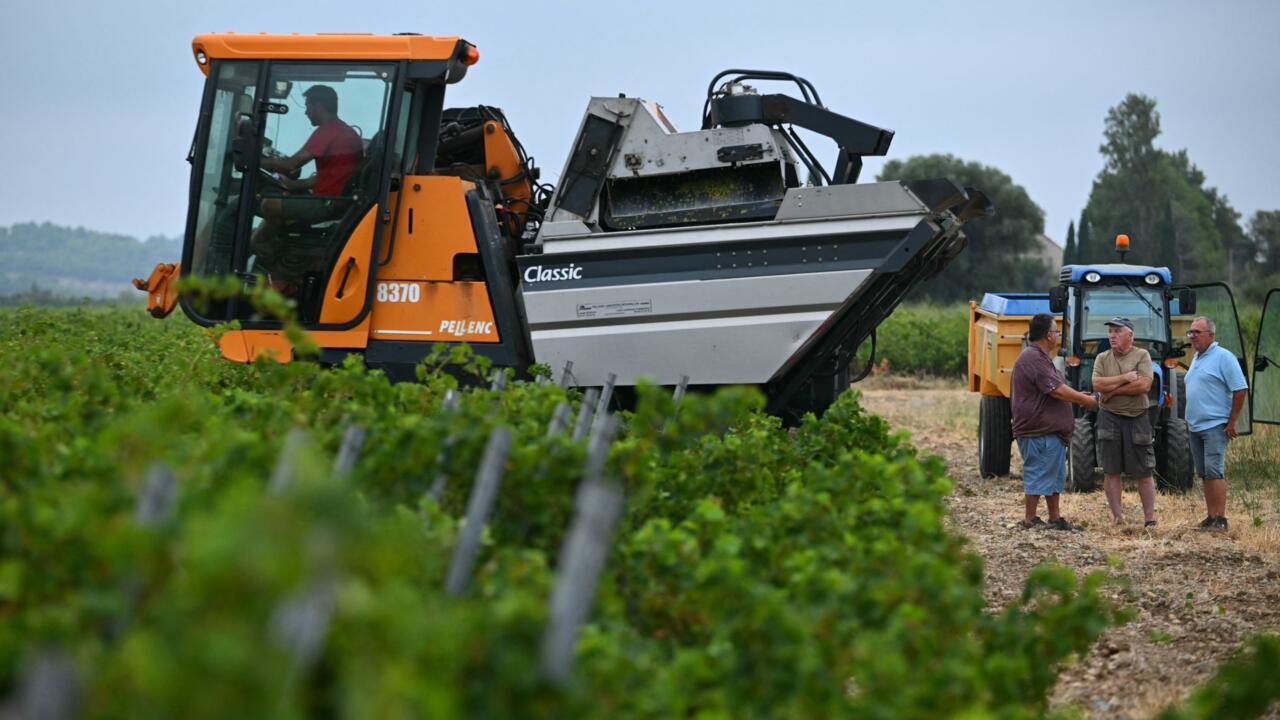
French winegrowers have commenced grape harvesting in August, a significant deviation from the historical window that traditionally began in late September and extended into early November. This accelerated timeline is driven by scorching heat and volatile weather conditions that are altering the chemical profile of the fruit. According to French lifestyle and wine journalist Alicia Dorey, the shift is "worrying," as the industry grapples with the immediate impacts of a changing climate on one of France’s most valuable economic sectors.
The environmental strain is evident in southwestern France, where wildfires in the Gironde department have destroyed more than 40,000 hectares this year. To mitigate these risks, producers are adopting innovative techniques, including night harvesting to prevent grape oxidation and the use of cover crops to retain soil humidity. Some authorities have also granted irrigation rights to vineyards, a departure from usual prohibitions designed to maintain quality standards regarding structure and aroma concentration.
Meanwhile, rising temperatures are enabling new winemaking industries in northern and Scandinavian countries, including England, Denmark, and Sweden. Hugo Seilly, a senior lecturer at the Burgundy School of Wine & Spirits Business, noted that while some vineyards in Norway and Sweden have reached economic sustainability, the sector remains driven by domestic markets rather than exports. Seilly cautioned that it is too early to expect a drastic shift in the global viticultural map, despite the appearance of wine production in unexpected latitudes.
Spain, which leads the world with 930,000 hectares of vineyards, faces severe long-term risks. Seilly highlighted that most Spanish vineyards are drastically drier, with projections suggesting a desert-like climate by 2050 that could wipe out large areas of production. In contrast, France currently holds 783,000 hectares, followed by China, Italy, and Turkey. The geographic centre of gravity for wine may eventually shift north, but the transition is complicated by the unique challenges of colder climates, such as the high energy costs required to protect young vineyards from freezing winters in Sweden.
The sensory profile of French wines is evolving as a result of these conditions. Wine journalist Jeffrey T. Iverson noted that hotter summers cause grapes to ripen faster, leading to higher sugar levels and lower acidity. This creates fermentation challenges and threatens the traditional finesse associated with French vintages. In response, some producers are investing in English vineyards suitable for Champagne-style varieties, while others are replanting with drought-resistant grape varieties or utilising new pruning methods to create foliage umbrellas that protect the fruit from sunburn.