France’s heatwave exposes governance gaps as climate scientist urges building renovation and AC rethink
With 90 per cent of the population under red alert, the UN climate expert argues that adaptation measures must be decoupled from cyclical media attention and partisan debate.
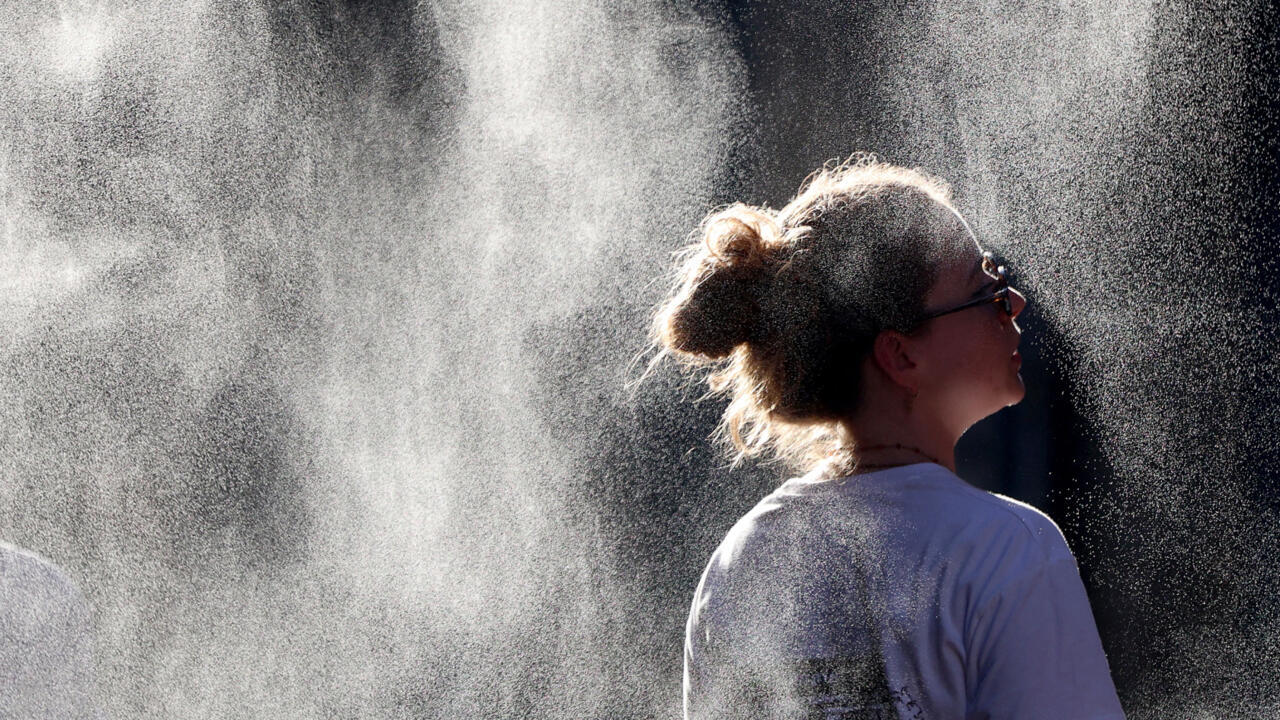
A severe heatwave has engulfed France since June 17, triggering record-breaking temperatures and forcing the closure of more than 800 schools. Metéo France placed 54 of its 96 mainland departments on red alert, affecting approximately 90 per cent of the population. The disruption extends to transport infrastructure, with 10 per cent of trains serving the Paris region cancelled. The national weather service characterises the intensity as exceptional, drawing parallels to the August 2003 heatwave that resulted in 15,000 deaths.
François Gemenne, a researcher and co-author of the UN’s sixth Intergovernmental Panel on Climate Change report, argues that such extreme events are no longer anomalies but are becoming the norm due to climate change. He warns that temperatures reached this week will eventually be considered relatively cool compared to projections for 2028 through 2050. Gemenne contends that the current crisis underscores a lack of preparedness, noting that scientific warnings regarding the growing intensity and frequency of extreme phenomena have been available for at least 40 years.
The political response has been fractured, with far-right leader Marine Le Pen advocating for a widespread air conditioning plan, while far-left politician Jean-Luc Mélenchon argues that such measures would exacerbate the problem. Gemenne suggests the debate must evolve alongside regulatory changes, noting that harmful refrigerant gases were banned in the European Union in 2024. He points out that France’s electricity is largely carbon neutral, meaning the climate impact of air conditioning is now extremely limited, though local heat release in dense urban areas remains a concern.
A central point of policy failure identified by Gemenne is the abandonment of the 2019 government plan for energy renovations. He describes this move as a shame, citing the direct impact on public health and student concentration. He emphasises that the social consequences of poor building insulation are severe, with mortality rates higher among those living in small apartments on top floors. Gemenne urges the reopening of cooling centres in public spaces such as gymnasiums to protect vulnerable populations.
Gemenne criticises the cyclical nature of public attention, predicting that discourse on climate change will cease once temperatures drop, despite the need for long-term adaptation. He dismisses the argument that national adaptation efforts are futile without global action from nations such as China or the United States, asserting that adaptation is necessary regardless of international behaviour. He warns that the 2027 presidential campaign risks being overshadowed by immigration issues, potentially delaying critical policy decisions on infrastructure and urban planning.