France targets €54 billion spending cut to rein in deficit ahead of election
Prime Minister Sébastien Lecornu has outlined a plan to reduce public expenditure by €54 billion in 2027, aiming to lower the national deficit to 4.8 percent of GDP while navigating rising fuel costs and political uncertainty.
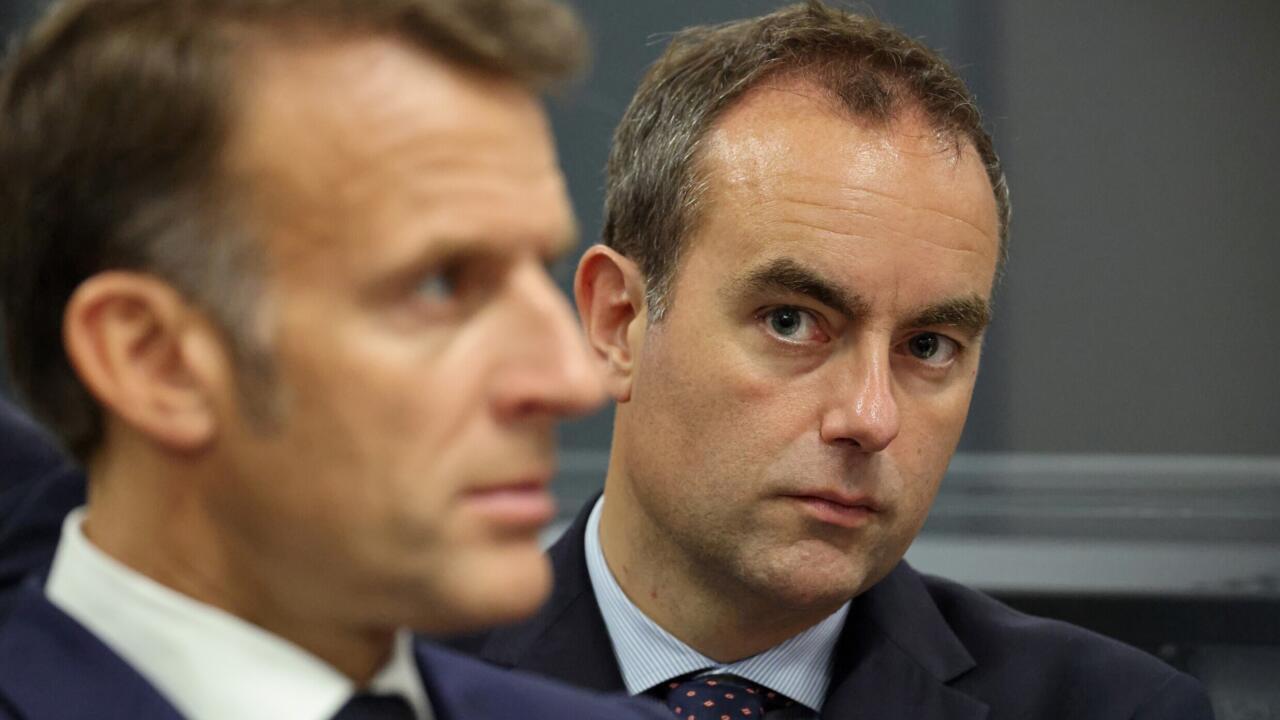
French Prime Minister Sébastien Lecornu has announced a comprehensive plan to cut public spending by €54 billion in 2027, a move designed to address the country’s escalating fiscal deficit. Speaking in an interview with the Le Figaro business newspaper, the Prime Minister stated that the measures aim to bring the public deficit down to 4.8 percent of gross domestic product excluding defence spending, or five percent when military expenditure is included.
The announcement comes at a critical juncture, seven months before the presidential election, with the government keen to avoid a resurgence of social unrest. Global oil prices have surged above $100 per barrel, driving record petrol and diesel costs in France and fuelling concerns over the cost of living. Officials are wary of a new wave of demonstrations similar to the yellow vest movement, which previously swept the country in response to fuel tax hikes.
Despite the scale of the reductions, Lecornu insisted the plan does not constitute austerity. He described the 2027 budget as taking an "assertive stance" on cutting spending in a nation that relies too heavily on public funds. "It is a political risk, I am not unaware of that. But we are a long way from austerity!" the Prime Minister added. The government acknowledged that the current deficit is likely to rise to 5.4 percent of GDP, up from an initial target of reducing it from 5.1 percent, which was already one of the highest in the eurozone and above the three-percent limit set for EU members.
Specific measures within the 2027 budget include the exclusion of public sector workers from cost-of-living adjustments. To increase revenue, the government will allow income tax rate thresholds to rise, while simultaneously reducing taxes on some companies by excluding them from an additional levy on larger businesses. Lecornu stated that retirees would make only a limited contribution to the cost-cutting effort, with the pace of pension increases to be settled in parliament, though he excluded the freezing of many benefits.
The fiscal tightening is driven by broader economic concerns, including a contraction in the first quarter and stagnation in the second. Yields on French government bonds have soared to levels not seen since the 2008 global financial crisis, increasing the cost of financing a debt that stands at 117.5 percent of GDP. This trajectory has raised fresh questions about the sustainability of France’s public spending and its capacity to manage its liabilities in the near term.