France repositions Africa diplomacy with inaugural summit in Kenya
The event, hosted by Kenyan President William Ruto, brings together 450 young entrepreneurs to discuss the future of the continent as France seeks to redefine its institutional relationship with the region.
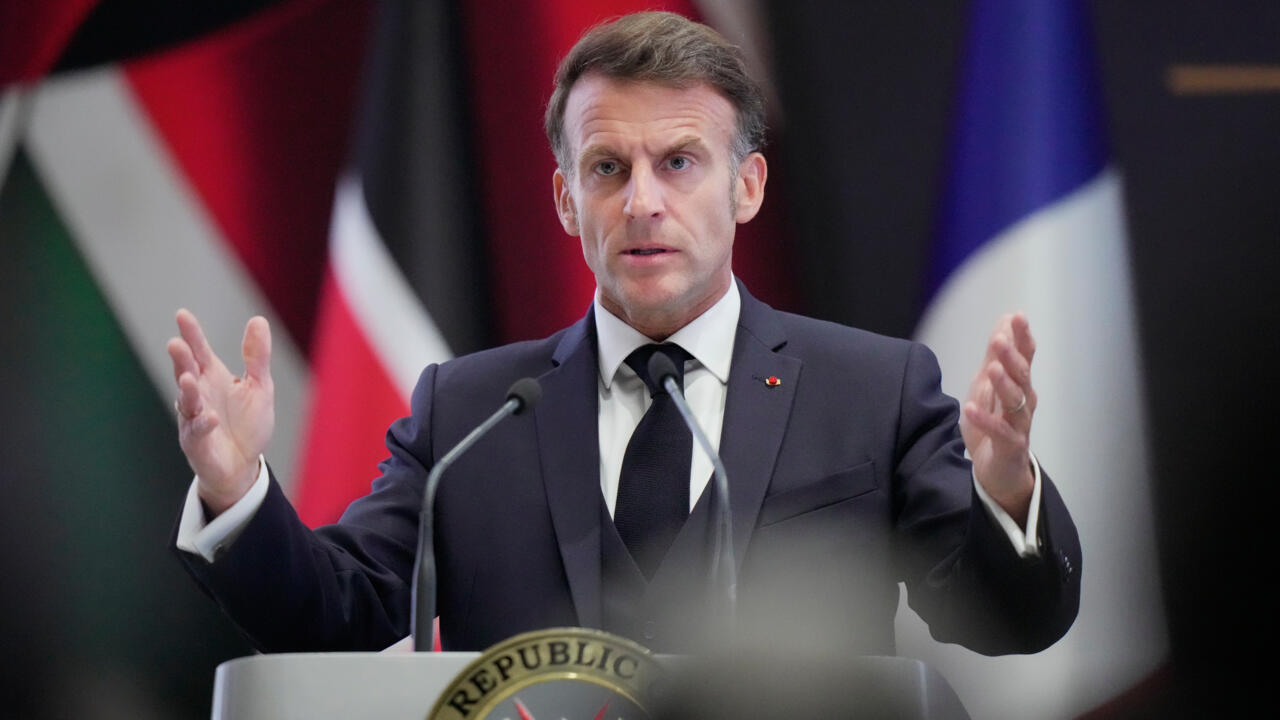
President Emmanuel Macron has inaugurated the Africa Forward Summit in Nairobi, Kenya, an event designed to signal a fundamental recalibration of the relationship between France and the African continent. Hosted by Kenyan President William Ruto, the gathering represents the first time the summit has been convened in an Anglophone nation, departing from the traditional Francophone locations that have historically defined the diplomatic calendar.
This strategic repositioning coincides with a broader diplomatic pivot aimed at replacing a historical era of dominance with a framework of partnership. The timing of the summit aligns with recent developments regarding the withdrawal of French troops from West Africa, suggesting a concerted effort to alter the operational and political landscape of France's engagement with the region.
The core of the initiative involves a direct engagement with 450 young entrepreneurs from across Africa and France. These participants are set to discuss future ideas for the continent, providing a platform for non-state actors to contribute to the policy dialogue. By focusing on this demographic, the summit attempts to ground the new approach in practical economic and social development rather than solely in state-to-state rhetoric.
Despite the high-profile nature of the event, the specific outcomes or commitments made during Macron's meetings with the entrepreneurs have not yet been detailed in available reports. The absence of immediate concrete deliverables leaves the long-term impact of holding the summit in an Anglophone setting on participation rates and agenda-setting uncertain.
The move to Kenya underscores a deliberate attempt by the French administration to broaden its institutional footprint beyond its traditional colonial sphere. While the stated objective is to promote a new approach, the practical implications of this shift in venue and tone will require sustained observation to determine if it translates into tangible policy changes.
As the summit proceeds, the focus remains on whether this diplomatic pivot can effectively bridge the gap between historical grievances and a future-oriented partnership model. The success of the Africa Forward Summit will likely depend on the extent to which the new framework of engagement is adopted by both French and African institutions moving forward.