France pivots to investment-led partnership model with Africa at Nairobi summit
Paris rejects traditional aid in favour of private capital while calling for a political resolution to conflicts in West and Central Africa
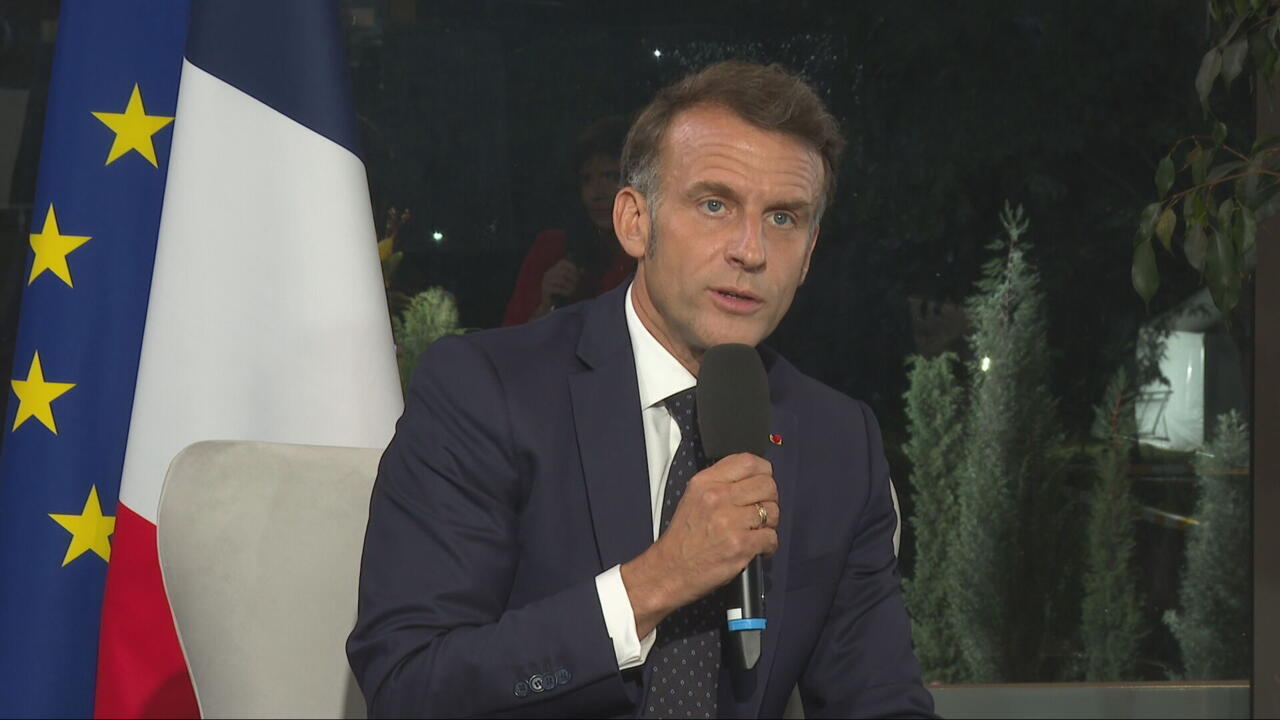
French President Emmanuel Macron concluded the Africa Forward Summit in Nairobi by proposing a fundamental shift in the relationship between Paris and African nations. Addressing the gathering, which marked the first time such a summit has been held in an English-speaking country, the President advocated for a new framework defined as a "partnership of equals". This approach aims to redraw the contours of France's engagement with a continent upon which the French state has historically built much of its colonial empire.
Central to this new strategy is a decisive move away from traditional budgetary aid towards private capital investment. Macron highlighted that €23 billion in investment has been mobilised by a coalition of French and African public and private actors during the event. He noted that the forum successfully brought together entrepreneurs from both sides for the first time, emphasising that African countries seek investment to create local jobs rather than financial handouts. To further smooth obstacles to bringing capital to the continent, the French President called for an overhaul of the global financial architecture, specifically requesting a first-loss guarantee mechanism to attract investors to regions often viewed as high-risk.
Regarding the security crisis in Mali, Macron expressed regret that past French military strategies prioritised security guarantees without sufficient simultaneous economic development or political dialogue. Speaking to FRANCE 24 at the close of the summit, he admitted that Paris should have been more assertive in pushing for administrative measures and development projects in territories recaptured from terrorists. He argued that the failure to press leaders forcefully to implement these measures sooner created an impression that a security guarantee alone was sufficient, a view he believes contributed to the current instability.
The President also addressed the rise in anti-French sentiment in Mali, attributing it to a small group of influential online activists allegedly backed by Moscow and other foreign powers rather than widespread local youth sentiment. Macron stated that these actors rewrite history and spread misinformation, yet he maintained that there is no reason for African youth not to love France if the record is set straight. He shifted the focus back to the suffering of the Malian people and the entire region, noting that the current junta's actions have driven out French troops that had fought against insurgent armed groups for years.
Turning to the Democratic Republic of Congo, Macron called for a political solution to the ongoing conflict involving the withdrawal of all foreign forces and the resumption of dialogue between Kinshasa and the Rwanda-backed AFC/M23 rebel group. He outlined four fundamentals to secure the country's sovereignty: the withdrawal of foreign troops, the restoration of political dialogue, Kinshasa reclaiming the fractious east, and a joint effort to fight terrorist groups in the region. He insisted that the African Union must lead this work and that all stakeholders, including the AU, must be fully engaged to ensure the success of these efforts.
On the topic of migration, Macron voiced unease regarding United States policies on deporting undocumented migrants to third-party African countries, describing the monetised agreements as uncomfortable. However, he maintained support for the European Union's hardline immigration approach, which includes the creation of return hubs to facilitate the expulsion of individuals who have unsuccessfully sought asylum. He argued that while vigilance at entry controls must be rigorous, France must also remain true to its values and protect those risking their lives for political reasons or due to war.