France-Kenya Defence Pact Grants Foreign Forces Jurisdiction, Sparks Sovereignty Debate
A new five-year renewable defence accord signed in April 2026 grants French forces primary jurisdiction over offences committed on Kenyan soil, prompting intense scrutiny over national sovereignty and the potential for permanent troop deployment.
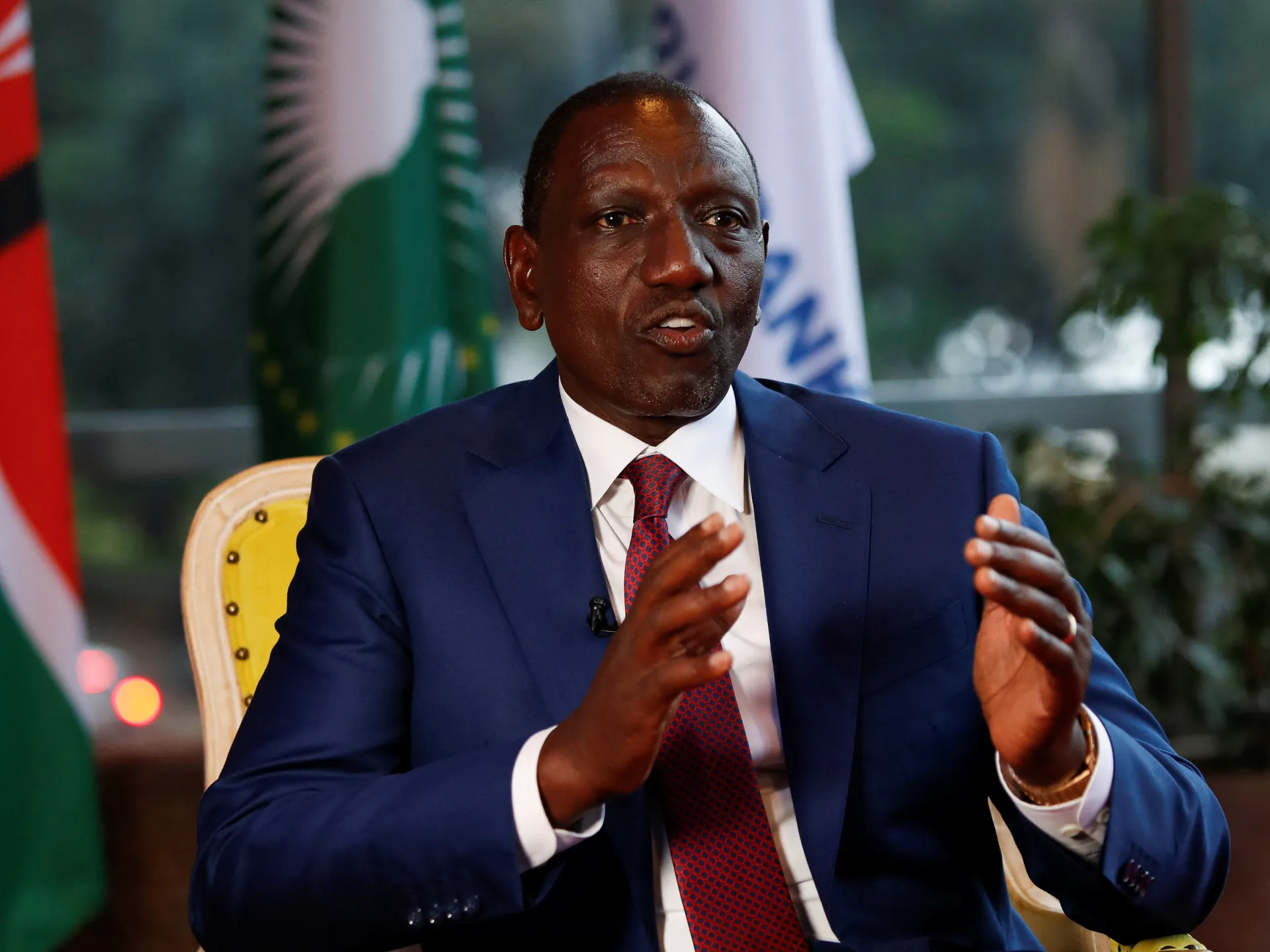
Kenya and France formalised a five-year renewable defence cooperation agreement in April 2026, a move that has immediately ignited a fierce political debate regarding national sovereignty. The pact grants French forces diplomatic-style immunity within Kenya and establishes primary jurisdiction over offences committed by French personnel on Kenyan soil, requiring disputes to be resolved through diplomatic channels rather than domestic courts. Under the terms of the deal, convicted French personnel may serve sentences in France, a provision that critics argue significantly undermines the host nation's judicial independence.
Following the signing, 800 French troops arrived in Mombasa to conduct joint training exercises with the Kenya Defence Forces (KDF), with an additional 600 military personnel subsequently deployed for training purposes. While the Kenyan government, led by President William Ruto, views the arrangement as a strategic asset essential for counterterrorism and economic stability, opposition voices have condemned the arrangement as a risk of neo-colonial influence. The agreement covers broad areas including maritime security, intelligence sharing, peacekeeping, and humanitarian assistance, positioning Kenya as a key hub for Western engagement in the Western Indian Ocean.
President Ruto has positioned the pact within a broader strategy to attract Western investment, hosting the Africa Forward 2026 summit in Nairobi to signal a new partnership model. French President Emmanuel Macron, seeking to regain influence lost in West Africa where anti-French sentiment is rising, turned to Kenya as a stable alternative. Macron recently stated that Sahel nations would not be sovereign without French military deployment, a remark that drew widespread condemnation, yet the Kenyan administration maintains that this new framework replaces historical dominance with a model of equal partnership.
Despite the government's assurances, legal and political challenges remain regarding the scope of the immunity granted. Nelson Koech, chair of the National Assembly Departmental Committee on Defence, Intelligence, and Foreign Relations, publicly denied claims that the agreement grants total immunity for serious crimes such as murder, asserting that such cases must be tried in Kenya. However, Koech also stated that the deal does not imply a permanent troop presence, a point contested by sources within parliament who suggest France is actively pushing for a permanent deployment to secure its strategic interests in the region.
The economic dimension of the partnership is substantial, with France currently ranking as Kenya's fourth-largest foreign direct investment partner and the fifth-largest provider of foreign direct investment. Over the past decade, French entities have invested €1.8 billion in Kenya, and as of 2026, at least 140 French companies operate in the country. Critics, including politician Caleb Hamisi, warn that the defence agreement could make Kenya a proxy in international disputes, inflame domestic political tensions ahead of the budget season, and allow foreign powers to interfere in Kenya's economic and political affairs.
Analysts from Control Risks note that while both sides aim to deepen strategic economic ties and move away from aid-based relationships, the balance of power remains a contentious issue. Patricia Rodrigues, Africa Director at Control Risks, highlighted that neither side seeks to be free from the other's influence, yet the agreement has raised concerns that Kenyan citizens are not afforded the same privileges as French nationals regarding market access and visa-free entry. As Kenya faces its own domestic political unrest, the potential for foreign forces to be involved in international disputes serving external strategic interests rather than national priorities has become a central point of contention for the opposition.