France-Africa Summit Opens in Kenya Amidst Calls for New Partnership Model
The Africa Forward Summit launches in Nairobi with a focus on nuclear energy and transport, though opposition voices question the venue's stability.
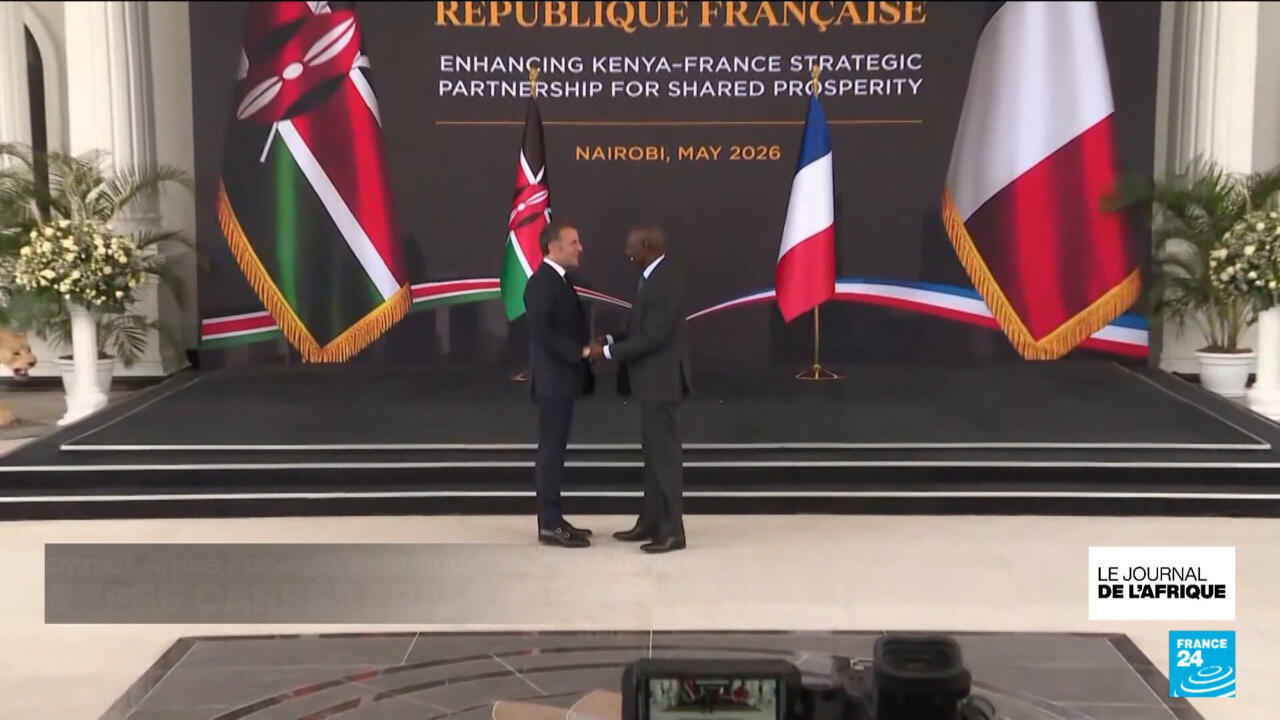
French President Emmanuel Macron has opened the Africa Forward Summit in Nairobi, an event designed to signal a fundamental shift in the relationship between France and the African continent. Hosted by Kenyan President William Ruto, the gathering aims to replace a historical era of dominance with a framework of partnership, a transition that coincides with the recent withdrawal of French troops from West Africa.
The summit, held for the first time in an Anglophone nation, is intended to showcase a policy departure from the long-standing system known as 'Françafrique'. This previous model maintained significant economic, political, and military sway over former colonies, a structure that has faced consistent criticism from leaders and opposition figures across the region for its heavy-handed approach.
During the opening proceedings, Kenya and France formalised their new direction by signing 11 agreements. These deals cover critical sectors including nuclear energy, with plans for an ambitious plant, alongside modernised transport infrastructure and sustainable agriculture. Macron stated that these investments are aimed at strengthening human capital, aligning with the summit's focus on innovation and the continent's growing young population.
In his remarks, Macron addressed the evolving geopolitical landscape, asserting that while France may disagree with West African governments, it "never disagrees with the people." This rhetoric underscores Paris's attempt to rebrand its engagement as one that prioritises the populace over political elites, a stance intended to counter the perception of colonial influence.
Kenyan President William Ruto described Nairobi's approach as "neither looking East nor West" but "looking forward," positioning the host nation as a neutral ground for this diplomatic reset. However, the choice of venue has not been without controversy, drawing sharp criticism from opposition leader Kalonzo Musyoka.
Musyoka challenged the legitimacy of holding the summit in Kenya, arguing that the country is currently a place where democracy is under threat and human rights are being violated ahead of the 2027 general election. He warned that the event risks creating an illusion of a cohesive nation that does not reflect the reality on the ground.
The summit's timing is particularly sensitive given the backdrop of regional security challenges. Just prior to the gathering, armed groups attacked military positions in Mali, including near the capital Bamako, highlighting the persistent instability that France and its partners continue to navigate despite the reduction in military presence.