Former UN diplomat urges economic stabilisation as prerequisite for Syrian peace
A former senior United Nations official argues that stabilising Syria’s economy is the primary requirement for lasting peace, citing the failure of diplomatic efforts and the urgent need for a predictable investment climate.
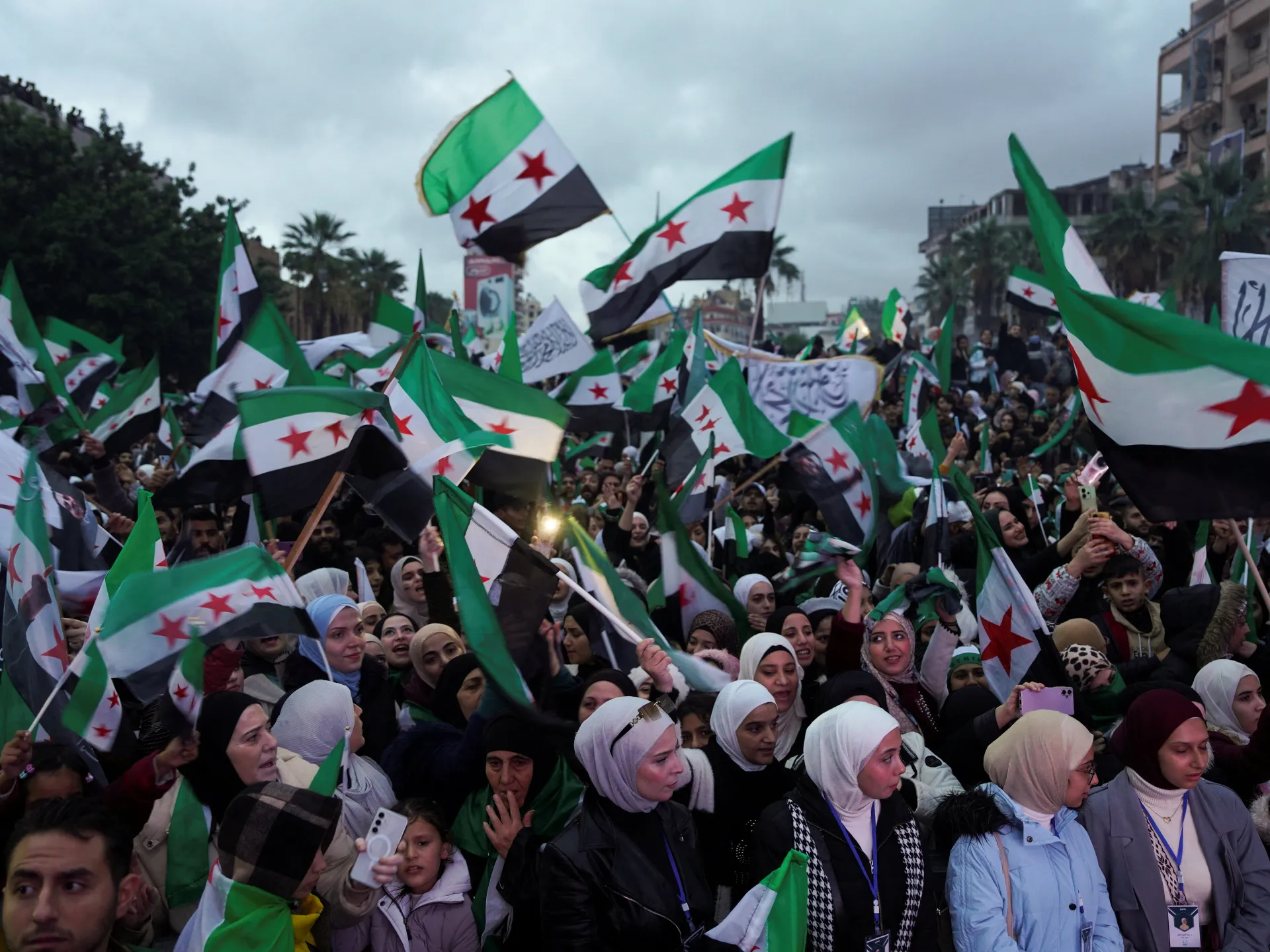
A former senior United Nations official has argued that stabilising Syria’s economy is the essential prerequisite for lasting peace following the end of the conflict. In an opinion piece published by Al Jazeera on 22 July 2026, the author, who served in the Special Envoy’s Office and as head of UN OCHA, asserts that diplomatic efforts to persuade Bashar al-Assad’s regime failed, necessitating military action to end the war. With two-thirds of Syrians living in extreme poverty, the article prioritises rebuilding the economy through private investment in sectors such as banking, energy, construction, and manufacturing.
The author recounts specific interactions with Bashar al-Assad, including a 2012 meeting in Damascus where Assad refused to release detainees, and a 2022 private meeting where Assad claimed jails were empty. The author states that their efforts to persuade Assad to act for the welfare of his people “signally failed” and that the Syrian people were saved by military action, specifically the takeover of Damascus. The piece criticises the “Friends of Syria” grouping for supporting the opposition but making little difference to the daily toll of detentions and deaths.
Recent bombings in Damascus are noted as evidence that there are still actors seeking to see Syria fail. A senior ambassador in Damascus is quoted stating that while there is international consensus to support Syria, the country currently lacks predictable rules and legal protections for investors. The author identifies the international community’s “original sin” as setting aside regime change from the outset as the route to end Syria’s suffering.
Key challenges identified include the removal of remaining sanctions and the creation of a safer, legally predictable environment for investors. The US decision to delist Syria as a “state sponsor of terror” is cited as a positive step, but the Syrian government must enact robust legislation to manage risk and attract global capital. The author argues that aid alone is insufficient and that sustainable recovery requires private investment in sectors including food processing, agribusiness, and light manufacturing.
The article concludes that the Syrian government needs to create a safer environment for investment through well-thought-out legislation, not decrees or promises. The author warns that bureaucratic inertia and official indecision are choking off opportunities, and that the country’s capacity to follow through on declared commitments remains limited. The piece emphasises that Syria is pivotal to the stability of the region, particularly amid escalating conflicts in the Middle East.