Former NFL stars question authenticity of Ryan Clark’s emotional response to ESPN dismissal
Criticism mounts against the 2009 Super Bowl champion as peers allege his tearful podcast appearance was a calculated move for attention rather than genuine grief.
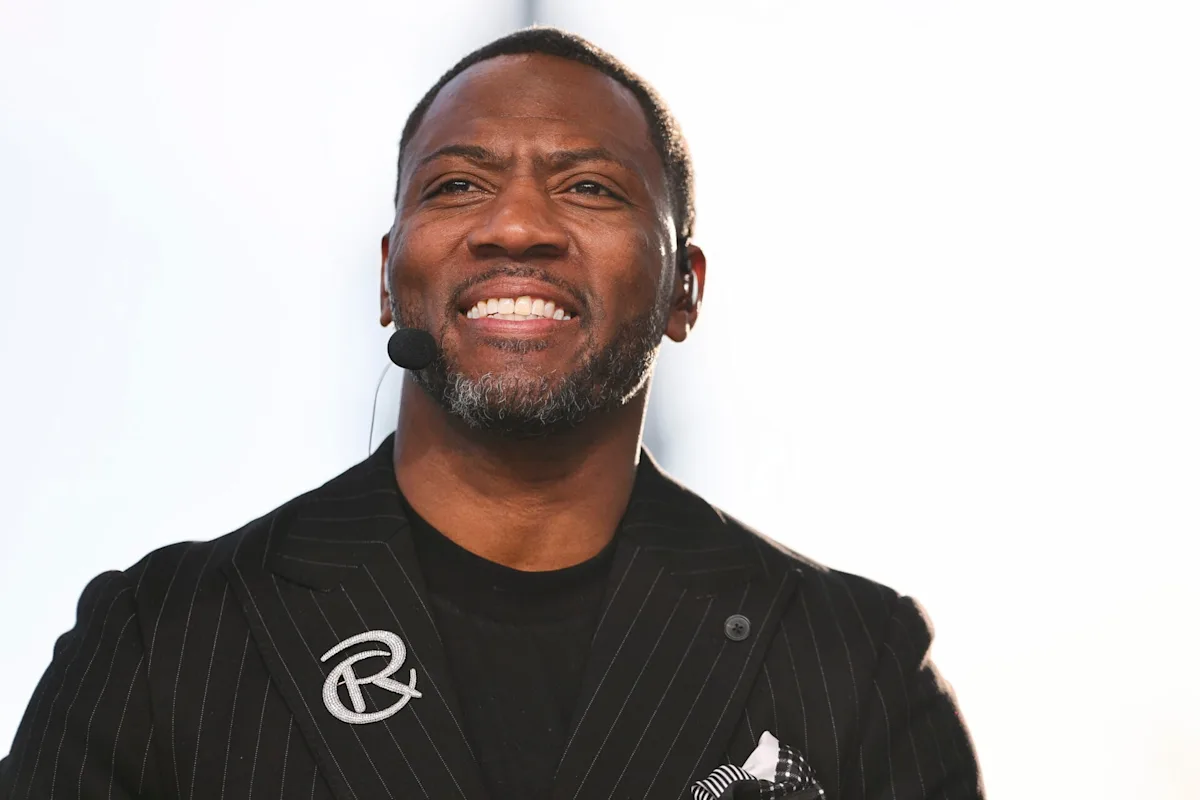
Former ESPN analyst Ryan Clark has faced sharp criticism from peers regarding his reaction to being dismissed from the network, with accusations that his emotional display was a calculated performance rather than a genuine expression of distress. Clark, who spent 11 years with the broadcaster and is a 2009 Super Bowl champion, was terminated during a live broadcast of ‘NFL Live’.
Following the termination, Clark appeared on ‘The Pivot’ podcast, where he broke down in tears while discussing the circumstances of his departure. The appearance was intended to clarify his position, but former NFL running back LeSean McCoy publicly challenged the authenticity of Clark’s reaction, accusing him of playing the victim to garner sympathy and clicks for his next career chapter.
The criticism was amplified by Breiden Fehoko, a former teammate of Cincinnati Bengals quarterback Joe Burrow, who aligned himself with McCoy’s stance. Writing on X, formerly known as Twitter, Fehoko described Clark’s emotional outburst as an “Emmy-nominated performance” designed to maximise attention, suggesting that the analyst’s behaviour is driven by audience metrics rather than personal integrity.
Fehoko drew parallels between the current incident and an event from six years prior involving the firing of LSU coach Ed Orgeron, alleging that Clark employed similar tactics during that period. “He doesn’t care. He cares about who is watching and how he can maximize from it,” Fehoko wrote, explicitly supporting McCoy’s earlier condemnation of Clark’s conduct.
The narrative surrounding Clark has reportedly shifted significantly in recent days. Prior to the podcast appearance, Clark reportedly maintained support from fans and former colleagues within the NFL community. However, the perception of his tears as a performative act has led to a reversal in public opinion, with peers now openly questioning his professionalism and motives.